
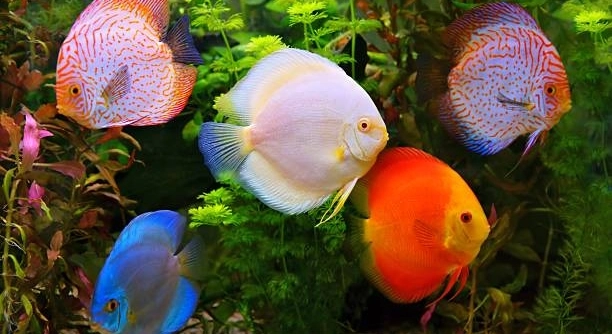
Do you ever wonder how discus fish react to the sounds around them in their tanks? Many fish owners notice how the environment can affect their pets. Understanding discus fish behavior helps create a better home for these beautiful creatures.
Discus fish generally prefer quieter environments as excessive background noise can cause stress and disrupt their natural behavior. Consistent loud sounds may negatively impact their health and well-being, while a calm setting promotes comfort and normal activity levels.
Learning about how sound influences discus fish can improve their care and tank setup. Small changes in their environment can lead to a happier and healthier fish.
How Noise Affects Discus Fish Behavior
Discus fish are sensitive to their surroundings, and noise is no exception. Loud or sudden sounds can startle them, causing stress that affects their health and behavior. In a noisy environment, discus may hide more often or swim erratically, showing signs of discomfort. They are naturally calm fish that thrive in peaceful settings. Consistent background noise, like loud music or household sounds, can interfere with their feeding habits and social interactions. Over time, this stress may weaken their immune system, making them more vulnerable to illness. Creating a quiet space around the tank helps discus feel secure. Soft, gentle sounds or silence tend to keep them relaxed and active. Paying attention to noise levels is an important step in maintaining a healthy aquarium for discus fish.
Reducing noise around the tank creates a stable, stress-free environment that supports discus fish well-being.
Many fish owners find that placing tanks away from busy areas or loud appliances helps keep discus calm. A quiet room or softly humming equipment can improve their behavior noticeably. It’s helpful to monitor how your fish react to different sound levels. If they seem restless or hide frequently, consider adjusting noise sources nearby. Simple changes like closing doors, using soundproofing materials, or moving the tank can make a big difference. Some hobbyists play soft natural sounds, such as gentle water flow or low ambient noise, to mimic the discus fish’s natural environment. Ultimately, paying attention to how sound influences your fish will lead to a healthier, more peaceful aquarium. This careful observation shows respect for their needs and helps them thrive.
Creating a Quiet Environment for Your Discus Fish
Keeping the tank environment quiet means more than just turning off loud noises.
It involves minimizing sudden sounds and vibrations around the aquarium. Vibration from nearby equipment or footsteps can also disturb discus fish. Using sturdy stands and placing the tank on soft mats can reduce this effect. Positioning the aquarium away from heavy foot traffic and loud appliances is important. Avoid tapping on the glass or causing sudden noise spikes near the tank. Even voices at a normal volume might stress sensitive fish if too close. It’s best to keep the tank in a calm corner of the room where sound and movement are limited. When visitors come, try to maintain a peaceful atmosphere to avoid disturbing the fish. With patience and care, you can create an environment where discus fish feel secure and comfortable every day. This helps maintain their natural behaviors and promotes long-term health.
Signs Your Discus Fish Are Stressed by Noise
When discus fish are stressed by noise, their behavior changes noticeably. They might hide more often, swim nervously, or refuse to eat. These signs show they are uncomfortable and need a quieter environment to feel safe.
Stress from noise can make discus fish lose their bright colors and become less active. You may notice them hiding behind plants or decorations more frequently than usual. Sometimes they dart around the tank suddenly, showing agitation. Refusal to eat or slow eating habits also indicate discomfort. These behaviors suggest that the environment is too loud or unpredictable for their liking. Stress lowers their immune system, increasing the chance of disease. Watching your fish closely for these signs helps you identify when noise is a problem. Adjusting the surroundings to reduce sound or vibrations can calm them down and improve their health.
Consistent stress affects discus long-term, so early changes matter. Creating a peaceful tank atmosphere supports their natural behavior and well-being.
Tips to Minimize Noise Around Your Aquarium
Place your tank in a quiet area away from high-traffic zones. Use soft mats under the tank to reduce vibrations.
Limit loud conversations and avoid tapping on the glass. Position noisy equipment, like filters and pumps, on vibration-dampening pads. Turn off or move noisy devices such as TVs and speakers from nearby rooms. Soft background music or white noise away from the tank may help mask sudden sounds. Check for any rattling parts on equipment that can add unwanted noise. Consistent care with these small changes creates a calmer environment for discus fish. Reducing sound disturbances leads to healthier, more relaxed fish and a better overall aquarium experience.
How Background Noise Differs from Silence for Discus Fish
Discus fish react differently to background noise compared to complete silence. Gentle, consistent sounds may feel less stressful than sudden loud noises.
Complete silence can sometimes feel unnatural, but excessive noise causes more harm. The right balance helps discus stay calm and comfortable.
The Role of Natural Sounds in the Aquarium
Natural sounds, like gentle water flow or soft bubbling, can create a peaceful environment for discus fish. These sounds mimic their natural habitat, helping them feel secure. Unlike harsh noises, natural sounds provide a soothing background that reduces stress and encourages normal behavior. This subtle noise can improve their overall mood and promote healthy activity levels. Incorporating natural sounds thoughtfully supports a balanced and stable aquarium environment, which is key for discus well-being.
When Noise Becomes Harmful
Sudden loud noises or constant loud background sounds disturb discus fish and cause stress.
How loud can noise be before it stresses discus fish?
Discus fish are sensitive to sudden or very loud noises. Sounds above normal household levels, especially sudden bangs or drops, can cause them stress. Constant loud noise, like booming music or noisy appliances close to the tank, may also disturb their calm. It’s best to keep noise low and steady, avoiding sharp spikes. Quiet conversations and soft ambient sounds usually don’t bother them much. Monitoring your discus for signs of stress helps you find the right noise level for your setup.
Can background music affect discus fish?
Soft background music at low volume often won’t harm discus fish. In fact, gentle, rhythmic sounds can sometimes soothe them, as long as the music is not too loud or sudden. Fast or very loud music might cause agitation or hiding behavior. It’s important to watch how your fish respond. If they seem nervous or stop eating, lowering or stopping the music is a good idea. Overall, keep music levels low and avoid sharp changes in volume near the tank.
Is silence always best for discus fish?
Complete silence is not always necessary or natural for discus fish. In their natural habitat, they hear soft water currents and other subtle noises. Total silence can sometimes feel unusual, but it usually won’t harm them. What matters more is avoiding loud or sudden noises that cause stress. A calm environment with gentle background sounds, like bubbling water, often suits discus fish better than absolute silence. Finding a peaceful balance helps them feel secure and behave naturally.
Do discus fish get used to regular background noise?
Discus fish can become accustomed to steady, predictable background noise. If the noise is constant and not too loud, they may learn to ignore it over time. This helps reduce stress caused by unexpected sounds. However, sudden noises or loud bursts still startle them regardless of how used they are to the usual background. Keeping their environment stable with minimal loud interruptions supports their comfort and health.
Can vibrations from equipment stress discus fish?
Yes, vibrations from aquarium equipment like filters, pumps, or air stones can stress discus fish. Strong or irregular vibrations create discomfort and may cause hiding or erratic swimming. Using vibration-dampening pads or placing equipment on soft surfaces helps reduce this problem. Regular maintenance to ensure equipment runs smoothly and quietly is also important. Minimizing vibrations improves overall tank comfort for discus fish.
How can I tell if noise is causing health problems in my discus?
If your discus fish seem stressed by noise, they may show changes in behavior and appearance. Watch for loss of appetite, hiding more often, faded colors, or sluggish movement. Stress weakens their immune system, making illness more likely. Frequent infections, fin damage, or unusual spots may follow. If you notice these signs, consider reducing noise and vibrations near the tank. Improving their environment often leads to faster recovery and better health.
Is it okay to use white noise machines near an aquarium?
White noise machines at a low volume can help mask sudden noises and create a stable sound environment. This might reduce stress for discus fish by preventing sharp sound changes. However, the machine should not be too loud or produce strong vibrations. Always observe your fish’s behavior when using white noise. If they seem more relaxed, it’s a helpful addition. If they become restless, it’s better to stop or lower the volume.
Should I avoid noisy household activities near my discus tank?
Yes, noisy activities like vacuuming, loud talking, or banging doors near the tank can startle discus fish. These sudden sounds cause stress and disrupt their comfort. It helps to place the aquarium away from busy areas and schedule noisy chores when the fish are less active or not nearby. Creating a calm zone around the tank supports your discus fish’s health and natural behavior.
Can other pets cause noise stress for discus fish?
Pets like dogs or cats can make sudden noises or vibrations near the tank that disturb discus fish. Barking, running, or tapping on the aquarium glass can cause fear or stress. Keeping pets calm around the tank and teaching them not to touch or disturb the aquarium helps protect your fish. A peaceful environment free from pet noise is best for discus well-being.
Are there benefits to having some background noise for discus fish?
Yes, some gentle background noise can create a more natural, comforting environment for discus fish. Sounds like soft bubbling, water flowing, or low ambient noise mimic their natural habitat. This helps reduce stress and encourages normal swimming and feeding behavior. Total silence might feel unnatural, so controlled, soft noise can be beneficial if it doesn’t become loud or sudden.
When caring for discus fish, paying attention to the sound environment is very important. These fish are sensitive to noise, and too much loud or sudden sound can stress them out. Stress affects their health, behavior, and even their colors. Creating a quiet and calm space around their tank helps discus fish feel safe and relaxed. It is not necessary to have complete silence, but keeping noise steady and gentle is the best approach. Small changes like moving the tank away from loud areas or using soft mats to reduce vibrations make a big difference. Observing how your discus react to different sounds will guide you in providing the best environment for them.
Discus fish benefit from an aquarium setup that mimics their natural habitat, and this includes the sounds they experience. In the wild, they hear soft water movement and other subtle background noises, which help them feel secure. In a home aquarium, natural sounds like gentle bubbling or water flow create a peaceful atmosphere. These sounds are usually better for discus than loud music, constant household noise, or sudden loud sounds. A calm and steady sound environment encourages discus fish to behave naturally, eat well, and swim comfortably. When discus are less stressed, they tend to stay healthier and live longer.
Keeping discus fish happy involves more than just water quality and feeding; noise control is an important part of their care. Stress from noisy surroundings can cause illness and reduce their natural beauty. Taking steps to reduce loud or sudden noise, avoiding strong vibrations, and creating a quiet corner for the tank all improve their well-being. Each discus fish may respond differently, so watching your fish closely helps you adjust the environment to their needs. With patience and attention, you can create a calm home that supports their health and natural behavior, making your aquarium a better place for these beautiful fish.

Hello,
If you enjoy the content that we create, please consider saying a "Thank You!" by leaving a tip.
Every little bit helps us continue crafting quality advice that supports the health, happiness, and well-being of pets around the world, for pets of all shapes, sizes, and species.
We really appreciate the kindness and support that you show us!