
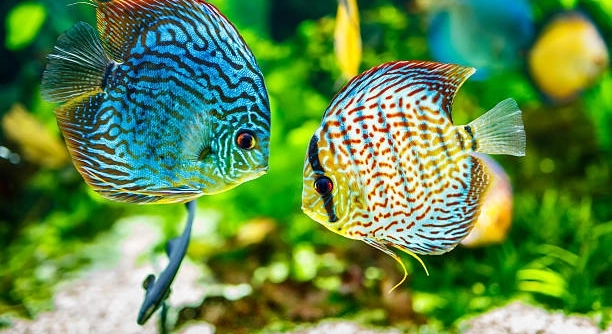
Discus fish are popular among aquarium enthusiasts for their vibrant colors and graceful movements. Breeding these fish can be rewarding but requires careful observation. Recognizing breeding cues helps ensure a successful and healthy reproduction process.
Understanding the breeding cues in discus fish is essential for timely intervention and care. Key signs include changes in behavior, physical appearance, and environmental preferences. Monitoring these cues allows aquarists to provide optimal conditions that promote successful spawning.
Identifying these signs early helps create the best environment for discus breeding and supports the health of both parents and offspring.
Recognizing Changes in Behavior
Discus fish often show clear changes in behavior when they are ready to breed. One of the earliest signs is increased territoriality. They may become more aggressive or protective, especially around certain areas of the tank. This change is important because it signals their readiness to defend a chosen spot for laying eggs. You might also notice that pairs spend more time close together, swimming side by side or cleaning surfaces. These behaviors are natural and help prepare their environment. Paying attention to these actions can alert you that breeding is about to take place, allowing you to adjust tank conditions accordingly. Keeping stress low and ensuring clean water supports their readiness.
These behavior changes indicate discus fish are preparing for spawning. Observing them helps in timing care and adjustments.
Watching closely for shifts in how discus interact improves breeding success by letting you meet their needs as they prepare to spawn.
Physical Changes to Observe
Physical transformations are another clear breeding cue in discus fish. One noticeable sign is the brightening of their colors. Males and females both tend to display more vivid patterns, which signals sexual maturity and readiness. Additionally, the fish’s body shape may change slightly; females often become rounder in the belly due to developing eggs. You might also spot increased mucous secretion on their skin, which helps protect eggs and fry. These subtle shifts are essential for identifying when to create ideal breeding conditions. A healthy diet rich in protein can support these changes. Observing physical cues allows for better preparation, including providing suitable spawning surfaces and maintaining water quality. Proper care during this phase leads to healthier offspring.
Physical signs like color brightness and body shape changes help confirm breeding readiness.
Noticing these changes early enables timely setup of breeding tanks and enhances the chances of successful spawning.
Keeping discus healthy through nutrition and clean water supports these important physical developments.
Nesting and Spawning Sites
Discus fish select smooth, vertical surfaces like broad leaves or flat rocks for laying eggs. They clean these spots thoroughly before spawning.
Providing clean, suitable surfaces in the tank encourages natural breeding behavior. These surfaces are essential because discus fish rely on them to attach their eggs securely. The pair will often spend time cleaning the area to remove algae or debris, ensuring a safe environment for their future fry. Without appropriate sites, discus may delay or avoid spawning altogether.
Observing how the fish prepare these sites helps confirm breeding readiness. It also indicates when to maintain optimal tank conditions, such as stable temperature and good water quality, which support successful egg development and hatching.
Increased Cleaning Behavior
During breeding, discus fish increase their cleaning activities around the spawning site. This behavior protects the eggs from fungus and bacteria.
Both parents actively clean the eggs after they are laid, often fanning them with their fins to improve oxygen flow. This attentiveness is critical during the early stages of development. They also remove any infertile or fungus-infected eggs to prevent contamination. Such care helps increase survival rates of the fry. Maintaining a clean tank environment supports the parents’ efforts and reduces stress. Recognizing this behavior allows for timely intervention, such as reducing disturbances or feeding a nutritious diet to support parental energy needs during this demanding phase.
Pair Bonding and Territory Defense
Discus fish form strong pair bonds before breeding. They work together to protect their chosen territory from other fish.
This cooperation is vital for successful spawning. The pair defends their area against intruders, ensuring a safe environment for eggs and fry. Watching this behavior helps identify active breeding pairs.
Feeding Changes During Breeding
Discus fish often increase their food intake before and during breeding. Providing high-quality, protein-rich foods supports their energy needs and reproductive health. Feeding small, frequent meals helps maintain stamina and overall condition during this demanding period.
Signs of Egg Laying
Eggs are typically small, round, and translucent. They appear in neat rows on the cleaned surface chosen by the pair. After laying, eggs stick firmly and become slightly opaque as development begins.
Parental Care After Hatching
Both discus parents continue to care for the fry by fanning eggs and removing debris. This care supports healthy growth and development.
What are the main signs that discus fish are ready to breed?
Discus fish ready to breed show several clear signs. These include brighter colors, increased cleaning behavior, and stronger pair bonding. They will spend more time near their chosen spawning site and may display protective or territorial actions. Males and females often swim closely together, preparing the environment by cleaning surfaces. Watching these behaviors helps know when to prepare the tank for breeding.
How important is water quality during breeding?
Water quality is critical for discus breeding success. Stable temperature, low nitrate levels, and clean water reduce stress and promote healthy eggs and fry. Frequent water changes and proper filtration maintain these conditions. Poor water quality can lead to fungus growth on eggs or illness in parents and young fish. Monitoring parameters closely is essential throughout the breeding cycle.
Can discus breed in community tanks?
Breeding discus in community tanks is difficult. Other fish can stress the pair or eat eggs and fry. Territorial behavior also increases, causing conflicts. Many breeders prefer separate breeding tanks to provide controlled conditions and privacy. This reduces disturbances and allows better care for eggs and fry. Community tanks can interfere with natural breeding behaviors.
How long does it take for discus eggs to hatch?
Discus eggs usually hatch within 48 to 60 hours after laying, depending on water temperature. Warmer water speeds up development, but temperatures should remain stable. Once hatched, the fry stay near the spawning site and are cared for by their parents. Proper conditions during this time are crucial for survival.
Do discus parents eat their eggs or fry?
It is rare but possible for discus parents to eat their eggs or fry if they feel threatened or stressed. Removing disturbances and keeping the tank quiet helps prevent this behavior. Healthy, well-fed parents usually protect their offspring carefully. Stress and poor conditions can increase the risk of egg or fry loss due to parental rejection.
What is the best diet for discus during breeding?
A high-protein diet supports discus during breeding. Foods like bloodworms, brine shrimp, and specially formulated pellets provide necessary nutrients. Feeding small amounts multiple times a day keeps their energy up. Nutrition directly affects egg quality and parental care. Avoid overfeeding to maintain water quality and fish health.
How can I encourage discus to breed?
Encouraging discus to breed involves providing clean water, stable temperature, and suitable spawning surfaces. Creating a calm environment with minimal disturbances is important. Slightly raising the temperature and offering a varied diet can stimulate breeding behavior. Observing fish closely helps identify readiness and adjust conditions accordingly.
What should I do if eggs develop fungus?
If eggs develop fungus, it may be due to poor water quality or insufficient parental care. Improving water conditions with partial water changes and ensuring good filtration helps. Some breeders use antifungal treatments carefully, but natural parental care is usually best. Removing infected eggs prevents spread to healthy ones.
How long do discus parents care for their fry?
Discus parents care for their fry for several weeks, often up to three to four weeks. During this time, they protect, clean, and sometimes feed the young with mucus secretions. This care improves fry survival and growth. Providing a stress-free environment during this period is important.
Is it necessary to remove discus fry from the parents?
Removing fry is usually not necessary unless parents become aggressive or water quality declines. Many breeders allow natural parental care as it increases fry survival. If issues arise, separating fry into a rearing tank can be considered. Monitoring the situation helps decide the best course of action.
These frequently asked questions cover key aspects of discus breeding cues and care. Understanding these points supports successful spawning and healthy offspring development.
Breeding discus fish can be a rewarding experience when approached with patience and care. Paying close attention to the various breeding cues is essential to ensure that the fish are comfortable and ready to reproduce. Changes in behavior, physical appearance, and environmental preferences provide clear signals that breeding is near. Recognizing these signs early allows for timely adjustments in tank conditions, such as water quality, temperature, and suitable spawning surfaces. This preparation supports both the health of the adult fish and the success of their offspring.
It is important to maintain a stable and clean environment throughout the breeding process. Discus fish are sensitive to changes in water parameters, and any stress can affect their willingness to spawn or care for their eggs and fry. Providing a calm, low-disturbance space, along with a nutritious diet, helps keep the fish in good condition during this demanding time. Observing the discus closely, especially during key stages like nest preparation and egg care, offers insight into their needs and progress. Being attentive to these details improves the chances of healthy fry and a successful breeding cycle.
While breeding discus requires effort and attention, the results can be very satisfying. The natural behaviors and close bonds between pairs demonstrate the complexity of these fish. Understanding their cues and needs leads to a more effective breeding setup and better outcomes. Patience and consistent care are key components. With the right conditions and knowledge, breeding discus can be a fulfilling aspect of aquarium keeping that enriches both the fish’s well-being and the keeper’s experience.

Hello,
If you enjoy the content that we create, please consider saying a "Thank You!" by leaving a tip.
Every little bit helps us continue crafting quality advice that supports the health, happiness, and well-being of pets around the world, for pets of all shapes, sizes, and species.
We really appreciate the kindness and support that you show us!