
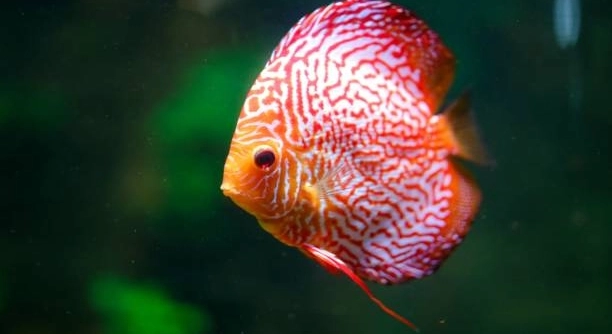
Discus fish are popular for their vibrant colors and graceful movements. Many aquarists enjoy keeping them in tanks with live plants. The natural environment created by plants often appeals to those who want a balanced and healthy aquarium setup.
Discus fish can survive in planted tanks if the conditions are properly maintained. Key factors include stable water temperature, clean water, appropriate lighting, and suitable plant species that do not compete aggressively with the fish. Proper care supports their well-being.
Maintaining the right environment for discus in planted tanks involves attention to detail and consistency. Understanding these needs helps ensure both the fish and plants thrive together.
Ideal Water Conditions for Discus in Planted Tanks
Maintaining ideal water conditions is essential for keeping discus fish healthy in planted tanks. Discus prefer warm water temperatures between 82°F and 86°F (28°C to 30°C). The pH should stay slightly acidic to neutral, ideally between 6.0 and 7.0. Water hardness needs to be soft to moderately soft, with low levels of calcium and magnesium. Regular water changes are necessary to keep ammonia, nitrite, and nitrate levels low, as discus are sensitive to poor water quality. Live plants help absorb some nitrates but do not replace frequent water maintenance. Good filtration is important to keep the water clean and oxygenated without creating strong currents. Monitoring these parameters consistently creates a stable environment that reduces stress for the fish and supports plant health. When these conditions are met, discus fish adapt well and show better color and activity levels.
Discus fish are sensitive to sudden water changes, so any adjustments should be gradual. This helps prevent shock and illness.
A planted tank helps stabilize water conditions by absorbing excess nutrients and providing shelter. However, regular testing and maintenance are crucial to keep the environment balanced and safe for discus fish.
Choosing Suitable Plants for Discus Tanks
Choosing plants that thrive under similar conditions as discus fish is important. Low-light plants such as Anubias, Java Fern, and Amazon Sword are excellent options. These plants tolerate warmer water and don’t require intense lighting, which suits discus well. Fast-growing plants like hornwort can help reduce nitrates but may need trimming to avoid overcrowding. Avoid plants that demand cool water or very high light levels, as these can stress the fish or complicate tank maintenance. Plants with soft leaves are generally preferred because discus may nibble on them without causing damage. Rooted plants also provide hiding spots and reduce stress, contributing to a more natural habitat. Choosing the right plants creates a healthy balance between aquatic flora and fauna, enhancing the tank’s visual appeal and ecosystem stability.
Proper placement of plants can create shaded areas and open swimming spaces, benefiting discus fish behavior.
Keeping plants healthy involves regular pruning and occasional fertilization, which supports discus wellbeing by maintaining water quality and tank aesthetics.
Feeding Discus Fish in a Planted Tank
Discus fish require a balanced diet to thrive. Feeding them high-quality pellets, frozen foods like bloodworms, and occasional live foods helps meet their nutritional needs. Avoid overfeeding, as leftover food can pollute the water and harm both fish and plants.
Providing a varied diet supports discus fish health and coloration. Frozen or live foods offer protein that encourages growth and vibrant colors. Pellets ensure they receive essential vitamins and minerals. Feeding small amounts two to three times daily prevents waste buildup. It also helps maintain water quality, which is crucial in a planted tank environment. Clean up uneaten food promptly to avoid algae growth and nutrient spikes that could harm plants or fish.
Feeding behavior can indicate fish health. Healthy discus are active and eager during feeding times. A consistent feeding schedule supports their metabolism and stress levels. In a planted tank, it’s also important to monitor plants for damage caused by feeding leftovers or fish nibbling.
Maintaining Tank Cleanliness
Regular cleaning is necessary for a healthy planted discus tank. Uneaten food, fish waste, and decaying plant matter can quickly degrade water quality.
Routine partial water changes, around 25% weekly, help maintain water clarity and balance. Use a siphon to remove debris without disturbing plants too much. Clean the filter media gently to preserve beneficial bacteria. Avoid harsh chemicals that could harm plants or fish. Keeping the tank glass clean prevents algae buildup and improves viewing pleasure. A clean tank supports discus fish health by reducing stress and disease risk. It also ensures plants receive adequate light without obstruction.
Tank maintenance involves more than cleaning. Proper balance of nutrients and light is needed to avoid algae outbreaks, which can compete with plants for resources. Regular monitoring helps detect problems early, allowing adjustments before water quality affects fish or plants. Consistency in care helps create a stable environment where both discus and plants flourish together.
Tank Size and Space Requirements
Discus fish need plenty of space to swim comfortably. A minimum tank size of 50 gallons is recommended for a small group. Crowded conditions increase stress and can lead to health problems.
Spacing between plants and open swimming areas is important. Overcrowding with plants can limit movement and cause territorial behavior. A balanced layout benefits both fish and plants.
Lighting Needs for Planted Discus Tanks
Lighting should be moderate to support plant growth without stressing the discus fish. Too bright lighting may cause stress, while too low light can stunt plant development. Using adjustable LED lights helps find the right balance for both.
Compatibility with Other Fish
Discus are generally peaceful but sensitive to aggressive or fast-moving tank mates. Suitable companions include tetras, Corydoras catfish, and small peaceful species. Avoid fin-nippers and overly active fish that may stress discus.
Monitoring Plant Health
Regularly check plants for signs of decay or algae growth. Healthy plants contribute to better water quality and a stable environment for discus fish. Promptly remove damaged leaves to maintain tank balance.
Can discus fish live exclusively in a planted tank?
Yes, discus fish can live exclusively in a planted tank if the environment is properly maintained. Live plants help stabilize water parameters by absorbing excess nutrients and providing oxygen. However, careful monitoring of water quality is still required, as discus are sensitive to changes. The plants chosen should be compatible with discus needs and the tank’s water conditions.
What plants are best for discus tanks?
Low-light and hardy plants like Anubias, Java Fern, and Amazon Sword work best in discus tanks. These plants tolerate warmer temperatures and softer water, matching the conditions discus prefer. Fast-growing plants such as hornwort can help absorb nitrates but may require frequent trimming to avoid crowding. Avoid plants needing cool water or high light, which are not suitable for discus.
How often should I change the water in a planted discus tank?
Regular water changes are essential, typically about 25% per week. This removes waste, uneaten food, and toxins that build up over time. Although plants help filter water by absorbing nutrients, they cannot replace water changes entirely. Consistency in water maintenance keeps the tank healthy and reduces stress on discus fish.
Do discus fish need special lighting in planted tanks?
Discus fish do best under moderate lighting that supports plant growth without causing stress. Bright lighting can stress discus and encourage algae growth, while low light may stunt plants. Using adjustable LED lights is recommended to find the right balance for both fish and plants.
Can discus fish tolerate other fish species in a planted tank?
Discus are peaceful but sensitive fish. They do well with calm, non-aggressive species such as tetras and Corydoras catfish. Avoid aggressive or overly active fish that may stress discus. Compatibility ensures a peaceful environment where discus can thrive without competition or harassment.
What should I feed discus fish in a planted tank?
A varied diet including high-quality pellets, frozen bloodworms, and occasional live foods is best. Feeding small amounts two to three times daily prevents waste buildup, which can harm water quality. Uneaten food should be removed promptly to protect plants and fish from pollution.
How do I prevent algae in a planted discus tank?
Controlling light duration, maintaining regular water changes, and avoiding overfeeding are key. Fast-growing plants can compete with algae for nutrients, reducing its growth. If algae appears, manual removal and adjusting care routines help keep it under control.
Can plants survive discus fish nibbling on them?
Some discus may nibble on plants, but generally, soft-leaf plants like Anubias and Java Fern tolerate this behavior well. It’s important to choose hardy species that can handle occasional nibbling without damage. Regular plant maintenance helps maintain a healthy balance.
Is a heated planted tank necessary for discus fish?
Yes, discus fish require warm water temperatures between 82°F and 86°F. A reliable heater is necessary to maintain this range. Plants chosen should also thrive in these temperatures to ensure both fish and plants remain healthy.
How do I maintain good water quality in a planted discus tank?
Good filtration, regular partial water changes, and avoiding overfeeding help maintain water quality. Plants contribute by absorbing excess nutrients, but consistent testing and cleaning are necessary to prevent harmful buildup of ammonia, nitrites, or nitrates that stress discus fish.
Keeping discus fish in a planted tank is a rewarding experience when done correctly. The combination of live plants and discus creates a natural and visually appealing aquarium. However, it requires careful attention to water conditions, tank maintenance, and the needs of both the fish and plants. Discus are sensitive fish that thrive in stable environments with clean, warm water and proper nutrition. Live plants can help improve water quality by absorbing nutrients, but they do not replace the need for regular water changes and tank cleaning.
Choosing the right plants is just as important as maintaining proper water conditions. Plants like Anubias, Java Fern, and Amazon Sword work well with discus because they tolerate similar water parameters and do not require intense lighting. It is important to avoid overcrowding the tank with plants, as discus need open swimming space. A good balance between plants and free swimming areas reduces stress for the fish and supports healthy growth for both plants and discus. Regular pruning and care keep the plants healthy and prevent decaying matter from polluting the tank.
Overall, a planted tank with discus fish requires commitment and consistency. Regular testing of water parameters, proper feeding, and routine maintenance all play important roles in keeping the tank environment balanced. When these elements are managed well, discus fish can live happily and display their vibrant colors in a thriving planted habitat. Taking the time to understand the needs of both the fish and plants creates an aquarium that is both beautiful and healthy.

Hello,
If you enjoy the content that we create, please consider saying a "Thank You!" by leaving a tip.
Every little bit helps us continue crafting quality advice that supports the health, happiness, and well-being of pets around the world, for pets of all shapes, sizes, and species.
We really appreciate the kindness and support that you show us!