
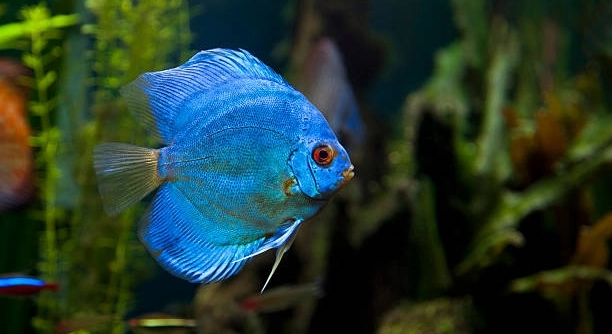
Discus fish are popular for their bright colors and graceful movements. Many hobbyists want to see their discus grow healthy and strong in a natural way. Improving their growth rate takes careful attention and good care.
The best methods to boost discus growth naturally include providing a balanced diet, maintaining clean water, ensuring proper tank conditions, minimizing stress, offering varied nutrition, controlling temperature, and promoting regular exercise. These factors work together to support healthy development.
Knowing these simple yet effective strategies will help you create the best environment for your discus fish to thrive and grow steadily.
Provide a Balanced Diet
Feeding discus fish a balanced diet is essential for their growth. They need a mix of protein, vitamins, and minerals to develop properly. High-quality flakes or pellets designed for discus are a good start. Adding frozen or live foods like bloodworms, brine shrimp, or daphnia boosts nutrition. Variety in their meals keeps them interested and helps prevent nutritional gaps. Avoid overfeeding, as this can pollute the tank and harm their health. Feeding small amounts multiple times a day is better than one large meal. Fresh food should be introduced gradually to avoid stress. Always remove uneaten food to maintain water quality. Proper diet supports immune health, coloration, and overall vitality, which encourages steady growth.
Consistent feeding with quality food creates a solid foundation for discus to grow naturally and stay healthy over time.
A well-planned feeding routine improves discus growth by providing essential nutrients in digestible forms. Protein supports muscle development, while vitamins help strengthen their immune system. Proper nutrition prevents diseases and keeps their energy up, allowing them to explore and eat actively. Discus fish are sensitive to poor diets, so giving them fresh, varied food helps maintain their health and encourages natural growth patterns.
Maintain Clean Water Conditions
Keeping the water clean is crucial for discus health. Dirty water stresses them and slows growth. Frequent water changes and proper filtration help maintain water quality.
Regular water changes remove toxins like ammonia and nitrites that build up in the tank. Using a good filter keeps the water clear and oxygen-rich, which discus need to thrive. Monitoring water parameters such as pH, temperature, and hardness ensures a stable environment. Sudden changes can shock the fish and stunt growth. Avoid overcrowding the tank, as too many fish produce more waste, making it harder to keep the water clean. Using a siphon to remove debris from the substrate during water changes also helps. Clean water supports healthy gills and reduces the risk of disease, which is vital for proper growth.
Proper tank maintenance is one of the easiest ways to naturally boost discus growth and keep your fish comfortable.
Control Tank Temperature
Maintaining a stable temperature between 82°F and 86°F supports discus growth. Sudden fluctuations cause stress and slow development.
Discus fish are tropical and need warm, consistent water to stay healthy. Using a reliable heater with a thermostat prevents temperature swings. Keep the tank away from drafts, windows, or heating vents to avoid sudden changes. Proper temperature helps discus digest food better and keeps their metabolism active. If the water is too cold, their immune system weakens, and growth slows. Too warm, and oxygen levels drop, causing stress. A thermometer helps monitor temperature daily to ensure it stays steady. Stable warmth mimics their natural habitat, promoting comfort and steady growth.
Avoid rapid changes by checking the temperature regularly. A well-regulated tank helps discus remain active and healthy, supporting natural growth without extra effort.
Minimize Stress in the Aquarium
Stress affects discus growth by weakening their immune system and reducing appetite. Reducing stress is key for healthy development.
Stress can come from many sources, such as aggressive tank mates, overcrowding, or poor water quality. Keeping the tank peaceful with compatible fish helps discus feel secure. Avoid sudden movements or loud noises near the tank, which can scare them. Providing plenty of hiding places with plants or decorations lets discus retreat when they feel threatened. Consistent feeding and stable tank conditions also reduce stress. When discus are calm, they eat better and use energy for growth rather than survival. Observing their behavior helps identify stress early so you can fix problems quickly.
Creating a calm environment allows discus to focus on growing naturally and staying healthy over time.
Offer Varied Nutrition
Feeding discus different types of food ensures they get all necessary nutrients. A mix of flakes, pellets, and live or frozen food works well.
Variety keeps their diet balanced and prevents boredom. Different foods provide proteins, vitamins, and minerals essential for growth.
Promote Regular Exercise
Encouraging movement helps discus build muscle and improves overall health. A larger tank with space to swim freely supports natural activity.
Maintain Proper pH Levels
Discus thrive best in slightly acidic to neutral water, with a pH between 6.0 and 7.0. Keeping pH stable avoids stress and supports growth.
Avoid Overcrowding
Too many fish in one tank causes competition and poor water quality, both of which slow growth. Keeping a proper fish-to-water ratio is essential.
FAQ
How often should I feed my discus fish to improve growth?
Feeding discus small amounts 2 to 3 times a day is ideal for healthy growth. This schedule helps prevent overfeeding, which can pollute the tank, and ensures they get enough nutrients throughout the day. Multiple feedings keep their metabolism active and support steady development.
What types of food are best for discus growth?
A balanced diet for discus includes high-quality flakes or pellets formulated for discus, combined with frozen or live foods like bloodworms, brine shrimp, and daphnia. These provide essential proteins, vitamins, and minerals. Offering variety prevents nutritional gaps and keeps the fish interested in their food.
Why is water quality so important for discus growth?
Discus fish are sensitive to poor water quality. Ammonia, nitrites, and nitrates build up quickly in tanks and stress the fish, which slows their growth. Regular water changes and good filtration keep water clean, maintaining a healthy environment that supports their immune system and natural growth.
How stable should the tank temperature be for discus?
Discus need a steady temperature between 82°F and 86°F. Fluctuations outside this range cause stress and reduce their ability to digest food and fight illness. Using a heater with a thermostat and checking temperature daily helps keep conditions ideal for growth.
Can stress really affect discus growth?
Yes, stress weakens discus immune systems and reduces appetite. Stress comes from poor water quality, aggressive tank mates, overcrowding, or sudden changes in their environment. Minimizing stress by keeping stable conditions and peaceful tank mates encourages healthy eating and faster growth.
How important is tank size for discus growth?
Tank size matters because discus need enough space to swim and exercise. A cramped tank causes stress and slows growth. A minimum of 50 gallons for a small group is recommended, allowing discus to move freely and maintain good muscle tone.
What pH level is best for discus growth?
Discus thrive in slightly acidic to neutral water, with a pH between 6.0 and 7.0. Keeping the pH stable avoids stress and creates a comfortable environment that supports healthy growth. Sudden changes in pH can shock the fish and hinder their development.
How can I tell if my discus fish are stressed?
Signs of stress include hiding more than usual, loss of appetite, faded colors, and rapid breathing. Stressed discus might also cling to the bottom or stay still. Observing these behaviors early helps you adjust tank conditions or remove stressors quickly to protect growth.
Is it necessary to add supplements to discus food?
Supplements are helpful if the diet lacks variety but are not always necessary. Vitamins and minerals support immune health and coloration. When feeding a diverse diet of high-quality flakes, pellets, and live foods, supplements may be less needed.
How do I avoid overcrowding in my discus tank?
Keep the number of discus appropriate for your tank size—about one fish per 10 gallons is a good rule. Too many fish produce excess waste, reduce oxygen levels, and increase stress. Proper stocking helps keep water clean and fish healthy, supporting natural growth.
What is the best way to introduce new food to discus?
Introduce new foods slowly by mixing them with familiar ones. This helps discus adjust without stress and reduces the chance of refusal. Observe their reaction and remove uneaten food to keep water quality high.
Can regular exercise improve discus growth?
Yes, discus that swim regularly build muscle and stay healthy. A spacious tank encourages movement and natural behavior. Avoid overcrowding and provide hiding spots to keep discus comfortable and active.
How often should I test water parameters?
Testing water weekly is a good practice to keep ammonia, nitrites, nitrates, pH, and temperature stable. Consistent monitoring helps catch problems early, preventing stress and growth issues.
What tank mates are best for discus to avoid stress?
Choose peaceful fish that thrive in similar water conditions, such as tetras or corydoras catfish. Avoid aggressive or fast-moving fish that may harass discus and cause stress. Compatible tank mates help maintain a calm environment.
Can poor lighting affect discus growth?
While discus do not require intense lighting, a natural light cycle supports their well-being. Too bright or too dim lighting can stress them. Using soft, consistent lighting mimics their natural habitat and encourages normal behavior and growth.
Final Thoughts
Improving the growth rate of discus fish naturally depends on several key factors. Providing a balanced diet that includes a variety of foods is important to meet their nutritional needs. Feeding them multiple small meals each day helps keep their metabolism active without polluting the tank. Clean water conditions and stable temperature also play a major role in their health and growth. Regular water changes and proper filtration reduce toxins and keep the environment safe. Maintaining consistent warmth between 82°F and 86°F supports digestion and immune function, allowing discus to grow steadily without unnecessary stress.
Minimizing stress in the tank is another important point to consider. Stress from overcrowding, aggressive tank mates, or sudden changes in the environment can slow growth and weaken the fish’s immune system. Creating a calm and peaceful space for discus by choosing compatible fish, avoiding rapid changes, and providing hiding places helps them feel safe and secure. When discus are calm, they eat better and use their energy for growth rather than coping with stress. Regularly monitoring water quality, tank conditions, and fish behavior can help catch problems early before they affect the discus’ development.
Lastly, giving discus enough space to swim and exercise supports muscle development and overall health. A tank that is too small or crowded limits their activity and can lead to slower growth. Proper pH levels and soft, natural lighting also create an environment close to their natural habitat. These combined efforts will not only promote healthier, faster growth but also improve the fish’s well-being and longevity. By paying attention to diet, water quality, stress, and tank conditions, discus owners can help their fish thrive naturally over time.

Hello,
If you enjoy the content that we create, please consider saying a "Thank You!" by leaving a tip.
Every little bit helps us continue crafting quality advice that supports the health, happiness, and well-being of pets around the world, for pets of all shapes, sizes, and species.
We really appreciate the kindness and support that you show us!