
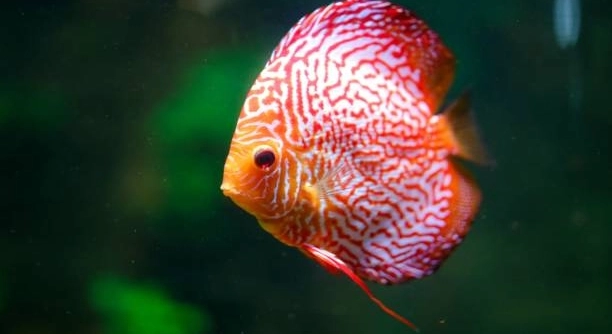
Discus fish are popular among aquarium enthusiasts for their striking colors and graceful movements. Many owners spend time observing their behavior and routines, especially around feeding. Understanding if discus can learn feeding times adds to the enjoyment of keeping them.
Discus fish demonstrate an ability to recognize and anticipate feeding schedules through conditioned responses. They associate environmental cues with feeding, indicating a level of learning and memory capacity relevant to routine tasks in captivity.
Learning about discus feeding habits helps owners provide better care and create a more harmonious aquarium environment. This insight deepens appreciation for these fascinating fish.
How Discus Learn Feeding Times
Discus fish rely on consistent routines to thrive in captivity. Over time, they become accustomed to specific feeding schedules and start anticipating meal times. This behavior is not accidental; it is based on learned associations between environmental cues and food availability. For example, discus may recognize the sound of tapping on the tank or the movement of the owner approaching. These signals trigger their expectation of feeding. In response, discus often swim toward the surface or gather near feeding spots before food appears. This type of learning is called classical conditioning, where the fish link certain cues with feeding. Consistency in feeding times strengthens this connection. As a result, discus develop predictable habits, which can help owners maintain a stable environment. This stability reduces stress for the fish, improving their health and activity levels. Understanding how discus learn feeding times offers practical benefits in daily care.
Feeding schedules that are irregular can confuse discus and reduce this learned anticipation, leading to less active behavior around feeding.
A well-maintained feeding routine benefits both discus and their owners. When fish anticipate meals, they are more responsive and easier to feed, reducing food waste. Regular feeding times also help monitor fish health, as changes in feeding behavior may indicate stress or illness. Observing their anticipation provides insight into their overall well-being. Consistent routines support better digestion and energy use, promoting growth and color vibrancy. This knowledge encourages patience and attention from the caretaker, fostering a positive interaction with the fish. It also highlights the importance of environmental stability for discus, reinforcing their natural rhythms. Overall, learning how discus respond to feeding cues improves the aquarium experience and supports healthier fish.
Signs That Discus Remember Feeding Times
Discus often show clear signs they remember feeding times. They gather near the tank’s front or swim actively when feeding time approaches. Their movements become more energetic and focused on food sources.
These behavioral changes show that discus remember and respond to feeding routines. They can be trained to expect meals at specific times through repetition and consistent cues. For instance, a particular light or sound can signal feeding. Over weeks, discus associate these signals with food and prepare accordingly. This ability reflects their cognitive function, which supports routine-based learning. It also means owners can create structured environments to improve feeding efficiency. However, sudden changes in feeding schedules may disrupt this pattern and cause confusion. Maintaining steady feeding times helps discus keep their learned behaviors intact and reduces stress. The memory and anticipation of feeding times contribute to a well-regulated tank environment, benefiting all inhabitants.
Factors That Affect Learning in Discus
Discus fish learn best when feeding routines are consistent and environment stable. Sudden changes in tank conditions or feeding times can disrupt their ability to remember schedules. Stress from overcrowding or poor water quality also affects learning capacity.
Water quality plays a critical role in discus behavior and learning. Clean, well-maintained water helps discus stay healthy and active, improving their ability to recognize feeding times. Poor water conditions cause stress and lethargy, which reduce responsiveness to cues. Lighting and tank layout also influence learning, as clear visibility allows discus to see feeding signals more easily. Regular feeding at the same times reinforces learning through repetition, while irregular feeding weakens their memory. These factors combined create an environment where discus can reliably anticipate meals.
Diet consistency also affects their learning. Providing familiar food during feeding times reinforces positive associations. Introducing new foods suddenly may confuse discus and delay learning. Feeding frequency matters too, as too many meals can reduce anticipation, while too few may cause hunger stress. Observing these details helps improve their cognitive response and feeding behavior over time.
Training Tips for Feeding Time Recognition
Using clear, repeatable signals before feeding encourages discus to associate those signals with food. This could be a tapping sound or switching on a specific light at feeding time. Consistency is key to reinforce the association.
Start with a simple signal, like a gentle tap on the tank, and use it every feeding. After several days, discus begin to link the sound with feeding. Keep feeding times regular to build their internal clock. Avoid feeding at random times or without the signal, which may confuse the fish. Patience is important, as learning may take a few weeks depending on the fish’s age and tank conditions. Over time, discus will respond promptly to the signal, gathering and swimming actively when it occurs. This method improves feeding efficiency and helps keep the fish healthy by reducing stress during mealtime.
Common Mistakes When Training Discus
Inconsistent feeding times weaken discus’ ability to learn schedules. Skipping signals or changing routines often causes confusion and stress.
Overfeeding can reduce their motivation to respond to feeding cues. Keeping a regular, moderate feeding routine improves learning and health.
Using Environmental Cues to Support Learning
Discus respond well to environmental cues like lighting changes or sounds that precede feeding. These cues help fish anticipate meals and prepare to eat. Creating a calm, predictable environment enhances their learning ability. Consistent cues reduce stress and encourage active behavior, making feeding more efficient.
Impact of Tank Conditions on Learning
Poor tank conditions, such as dirty water or overcrowding, lower discus’ ability to learn feeding times. Clean water and proper space support better cognitive function.
Feeding Frequency and Learning
Feeding too often or too rarely can disrupt discus’ learning of feeding schedules. Finding the right balance is essential.
FAQ
Can discus fish really learn feeding times?
Yes, discus fish can learn and anticipate feeding times by associating specific environmental cues with food. They respond to repeated signals such as tapping, light changes, or the presence of their caretaker. This conditioned behavior shows their ability to remember routines and expect meals at regular intervals.
How long does it take for discus to learn feeding schedules?
Discus usually begin to recognize feeding cues within one to three weeks of consistent training. The exact time varies depending on the fish’s age, tank conditions, and consistency of the signals. Patience and regular feeding times help speed up this learning process.
What are the best signals to use when training discus?
Simple and consistent signals work best. Common examples include tapping the glass gently, switching on a specific light before feeding, or moving the food container into view. The key is to always use the same signal before feeding so the fish form a strong association.
What happens if feeding times are irregular?
Irregular feeding times confuse discus and reduce their ability to learn schedules. They may become less responsive to feeding cues and show increased stress or lethargy. Maintaining a regular routine helps discus stay active and healthy.
Can overfeeding affect discus’ learning?
Yes, overfeeding can reduce discus’ motivation to respond to feeding signals. If they are full or lethargic from too much food, they may ignore cues and lose the habit of anticipating meals. Feeding moderate amounts regularly supports both health and learning.
How important is water quality for discus learning?
Water quality is very important. Clean water keeps discus healthy and active, which enhances their ability to respond to feeding cues. Poor water conditions cause stress and lethargy, negatively affecting their memory and learning capacity.
Can discus learn feeding times without environmental cues?
While discus may learn some feeding patterns naturally, environmental cues significantly improve their ability to anticipate meals. Cues like light changes or sounds create clear signals that help discus connect feeding times with specific events.
Do younger discus learn feeding times faster than older ones?
Younger discus tend to learn feeding schedules more quickly because their cognitive abilities are sharper and they are more adaptable. Older fish can learn too, but it may take longer, especially if they have experienced inconsistent routines before.
How can I tell if my discus remembers feeding times?
Signs include swimming toward the feeding area before food appears, increased activity around feeding signals, and readiness to eat when cues occur. These behaviors indicate the fish has learned to associate signals with food.
Is it harmful to change feeding times occasionally?
Occasional minor changes are usually not harmful, but frequent or large variations in feeding times can stress discus and disrupt their learned routines. Keeping feeding times as consistent as possible is best for their well-being.
Can feeding too frequently affect learning?
Yes, feeding too often can lessen discus’ anticipation of meals, weakening their learned responses. Less frequent, regular feedings encourage active participation during feeding times and help maintain healthy hunger cycles.
What should I do if my discus stops responding to feeding cues?
Check for changes in water quality, tank conditions, or feeding routines. Stress, illness, or inconsistent feeding can cause loss of response. Return to a stable schedule and clean environment, and monitor their health to improve behavior.
Are there specific foods that help discus learn feeding times better?
Familiar, preferred foods help reinforce feeding routines because discus associate positive experiences with the cues. Sudden introduction of new or unfamiliar foods may cause confusion or hesitation, delaying learning.
Can discus learn other behaviors besides feeding schedules?
Discus show signs of learning other simple behaviors, such as recognizing their caretaker or responding to tank changes. However, feeding time learning is the most studied and reliable example of their cognitive ability.
How does stress affect discus learning?
Stress reduces discus’ ability to focus and remember feeding cues. It can come from poor water quality, overcrowding, or sudden environmental changes. Minimizing stress through good care enhances their learning and overall health.
Is it necessary to train discus to feeding times?
Training discus to feeding times is not strictly necessary, but it improves feeding efficiency, reduces food waste, and helps monitor fish health. It also creates a more engaging and predictable environment for the fish.
How often should I feed discus to maintain learning?
Feeding two to three times daily at regular intervals works well. This frequency balances their nutritional needs with maintaining anticipation and learning of feeding cues.
What can I do if my discus don’t seem to learn feeding times?
Review feeding consistency, environmental cues, and tank conditions. Improving water quality, using clear signals, and sticking to a strict schedule often helps. Some individual fish may take longer to learn, so patience is important.
Can discus learn feeding times if they are kept with other fish?
Yes, but competition from other fish can affect how clearly discus respond to feeding cues. Ensuring discus have space and a calm environment helps them focus on the signals and learn feeding schedules more effectively.
Is it possible for discus to unlearn feeding times?
Discus can lose their learned feeding responses if routines are stopped or signals are no longer used. Consistent reinforcement is needed to maintain their learned behavior over time.
Final Thoughts
Discus fish show a notable ability to learn and anticipate feeding times when given consistent routines and clear signals. This behavior is based on their natural capacity to associate environmental cues with food availability. Through repetition, discus can recognize sounds, movements, or light changes that regularly precede feeding. This learning process helps them prepare for meals, making feeding time more efficient and less stressful. Providing a stable environment with steady feeding schedules supports their health and overall well-being. Understanding this aspect of discus behavior can improve how owners care for these fish, leading to better tank harmony.
Maintaining good water quality and proper tank conditions plays a significant role in supporting discus’ learning ability. Poor water quality, overcrowding, or sudden environmental changes can cause stress, which negatively impacts their memory and response to feeding cues. Regular cleaning, balanced stocking, and stable conditions allow discus to stay healthy and more responsive. Additionally, feeding appropriate amounts of food at consistent times reinforces their routine. Overfeeding or irregular feeding can reduce their motivation to respond to signals and weaken their learned habits. Attention to these details enhances both discus behavior and overall tank management.
Training discus to learn feeding times is a practical and beneficial approach but requires patience and consistency. Not all discus will learn at the same speed, and some may take longer depending on age, environment, and individual differences. Using simple, repeatable cues such as tapping or switching on a light before feeding helps create clear associations. When owners maintain these practices over time, discus become more active and ready to eat at predictable times. This reduces feeding stress and improves observation of fish health. Overall, understanding how discus learn and respond to feeding schedules contributes to better care and a more enjoyable aquarium experience.

Hello,
If you enjoy the content that we create, please consider saying a "Thank You!" by leaving a tip.
Every little bit helps us continue crafting quality advice that supports the health, happiness, and well-being of pets around the world, for pets of all shapes, sizes, and species.
We really appreciate the kindness and support that you show us!