
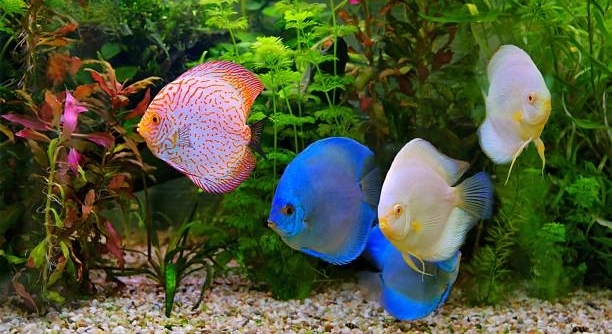
Are your discus fish refusing to eat no matter what food you offer or how often you try to feed them? It can be stressful and confusing when they suddenly stop responding at mealtime.
Discus often avoid eating due to common husbandry mistakes, such as poor water quality, improper tankmates, or inconsistent feeding routines. Environmental stress, incorrect water parameters, and unsuitable food choices can also contribute to their reluctance to eat.
Understanding what discourages discus from eating can help you make better choices and support their health in a peaceful, balanced tank.
Feeding Too Soon After Tank Changes
Discus are sensitive to sudden changes, and tank maintenance can easily throw them off. If you perform a water change or clean the tank, it’s best to wait before feeding. Even though your intentions are good, the change in water chemistry or the disturbance from vacuuming gravel can stress your discus. They may hide, become skittish, or ignore food completely. Feeding right after these changes often results in uneaten food sinking and spoiling, which only makes things worse. Give them a few hours to calm down and settle into the refreshed environment. Let their behavior guide you—if they’re actively swimming and not hiding, they’re more likely to eat. Rushing to feed them while they’re still stressed can discourage their appetite further. It may seem like a small thing, but this pause allows them to reset and feel secure enough to eat again.
Give your discus time to adjust after cleaning or changes. It supports consistent eating habits.
Try feeding a few hours after maintenance. Wait until they seem calm and comfortable again. Watch their body language—if they’re hovering at the front or showing interest in movement outside the tank, that’s usually a green light to feed. Be patient with their routine.
Offering the Wrong Type of Food
Discus need food that fits both their preferences and their nutritional needs. Offering the wrong kind of food can lead to long-term disinterest. Many people try generic flakes or pellets, assuming they’ll work for every fish, but discus can be picky. They may avoid hard, floating foods, especially if they’ve been raised on soft or sinking options. Trying to force them to eat food they dislike often leads to uneaten leftovers and even refusal to eat during future feedings. Freeze-dried or live foods like bloodworms, brine shrimp, or beef heart tend to be more appealing. Once they show interest, you can slowly introduce variety.
Discus prefer soft, protein-rich options that sink slowly. Texture and scent matter more than most people realize, especially for new or stressed fish.
Focus on variety, but start with what they’re most likely to accept. Introduce one new item at a time. Watch how they react. If they avoid a food entirely, remove it and try something different next time. Over time, most discus will accept a mix of pellets, frozen foods, and even live offerings if you build trust and consistency. Consistency helps them learn what to expect. Avoid abrupt shifts in diet, and be mindful of portion sizes. Small changes and a little observation go a long way.
Feeding in a High-Stress Environment
Loud noises, fast movements, or frequent disruptions around the tank can make discus too anxious to eat. If the tank is in a high-traffic area or close to a loud TV, they may stay hidden during feeding.
Discus need a calm space to feel safe enough to eat. If they’re startled often, their stress levels rise, which suppresses appetite. Even reaching into the tank too suddenly can cause them to retreat. Try feeding when the room is quiet and peaceful. Turn off nearby electronics and avoid sudden shadows or fast hand movements. Feeding should be a relaxed moment. Over time, they associate peace with food and begin to eat more willingly. If possible, use a consistent routine and spot in the tank to feed, so they recognize the signal. Their eating behavior often reflects how secure they feel in their environment.
Stress doesn’t always look obvious. Sometimes your discus may just seem disinterested or sluggish. That’s often a sign they’re feeling uneasy. Watch how they act before and after feeding. If they come forward when you approach but quickly retreat when food drops, they’re probably feeling unsure. Create a routine and keep things as calm as possible to help them build trust again.
Overfeeding or Feeding Too Often
Too much food can do more harm than good. It pollutes the water, overwhelms the fish, and leads to poor appetite. Uneaten bits sink, break down, and release waste that affects their health and mood.
Feed small amounts two or three times a day, depending on the size and age of your discus. Each feeding should be finished within a few minutes. If food remains in the tank afterward, you’re likely offering too much. It’s better to underfeed slightly than to overdo it. Excess food can lead to bloating, stress, and even parasite issues. Discus thrive on routine and consistency, so spread feedings out with enough time for digestion. Clean up any leftovers soon after feeding. This keeps their environment healthy and keeps them interested in the next meal. Careful feeding also helps you notice patterns or changes in their behavior more easily.
Using Cold or Inconsistent Water
Discus are sensitive to water temperature changes. Cold or fluctuating temperatures can make them stop eating and stay hidden. Keep the water consistently warm, around 82–86°F, and avoid sudden changes during water changes or equipment adjustments.
Use a reliable heater and thermometer to maintain stability. Always match the temperature when adding fresh water during water changes. Even a few degrees difference can stress discus and cause appetite loss. Consistency helps them feel safe enough to eat without hesitation.
Ignoring Water Quality Issues
Ammonia, nitrites, and even high nitrates can quickly impact discus behavior and appetite. Poor water quality stresses them and makes them more prone to illness. If they suddenly stop eating, test your water right away. Even small spikes in toxins can discourage them from approaching food. Keeping your water clean and stable is one of the most effective ways to keep their appetite healthy. Regular maintenance, gentle filtration, and careful feeding all play a part. When the water is clean and balanced, discus feel more secure and are more likely to eat without hesitation or fear.
Changing Foods Too Often
Switching foods frequently can confuse discus and make them wary of eating. They need time to get used to new textures, smells, and flavors. Sudden changes can cause stress or disinterest. Stick to a consistent diet and introduce changes gradually.
FAQ
Why do my discus eat sometimes but refuse other times?
This usually means something in the tank changes too often. Water temperature, lighting, feeding time, or even activity in the room can affect their mood. Discus thrive on routine. If one day the tank is calm and the next it’s noisy or brightly lit, they may skip eating. Another reason could be overfeeding. If they’re still full from a large feeding earlier, they may not feel ready to eat again. Watch for patterns and try to keep everything consistent. A peaceful tank with a regular feeding schedule often improves their eating habits.
Can discus go a few days without eating?
Yes, healthy discus can go several days without food, especially if they’re adjusting to a new tank or recovering from stress. This doesn’t mean it’s ideal, but it’s not always a reason to panic. They may stop eating if the water is off or if they feel unsafe. Focus on stabilizing the tank and avoid offering too many food options during this time. When they’re ready and feel secure, they’ll begin eating again. Just make sure water quality is good and they’re not showing signs of illness.
Is it okay to feed discus only dry food?
It’s possible, but not ideal. Dry food doesn’t always meet all their nutritional needs and can be harder for them to accept, especially if the texture isn’t soft. Discus usually prefer frozen or soft gel-based foods. If dry food is all you can offer, soak it first to make it easier to eat. Many discus will spit out hard pellets or ignore them. A more varied diet that includes frozen bloodworms, beef heart, or specially made discus blends tends to support better health and a more consistent appetite.
How can I tell if stress is affecting their appetite?
Look for signs like hiding during feeding, staying in corners, or being overly skittish when you approach. Stress often shows up before appetite changes. If your discus are suddenly less interested in food, think back to any recent tank changes—new fish, water adjustments, loud noises nearby. Stress can come from subtle sources like vibrations, flashing lights, or quick hand movements. When they don’t feel safe, they avoid feeding areas. Keep things calm and limit interaction during feeding until they settle back into routine.
What’s the best way to introduce a new food to picky discus?
Start by mixing a small amount of the new food with their usual one. Offer it at the same time each day in a calm setting. Don’t feed too many varieties in a short period—this can overwhelm them. Give it at least a few days before deciding if they accept or reject it. Some discus take time to adjust, especially if they’ve only eaten one type of food for a while. If they’re not eating at all, go back to what they’re used to for a few days, then try again slowly.
Do discus need live food to eat well?
Live food can stimulate feeding, especially for new or shy discus, but it isn’t required for a healthy diet. Many keepers prefer frozen or prepared foods because they’re safer and easier to manage. Live food can carry parasites or bacteria if not handled properly. Use it as an occasional treat if you like, but a balanced diet of frozen or soft foods is usually more than enough. Most discus adapt just fine without live food, especially once they feel settled and secure in the tank.
Why do discus spit food out?
This can happen for several reasons. The food may be too hard, too large, or just unfamiliar. Sometimes it’s part of how they eat—testing the texture or breaking it down before swallowing. But if it keeps happening, look at the food type and condition. Try soaking pellets or switching to frozen options. If your water parameters are off, their appetite and digestion can be affected, making food less appealing. Spitting out food often means something needs to be adjusted—either with their diet or their environment.
Should I feed discus before or after a water change?
It’s best to feed them after a water change. Clean water can improve appetite and reduce the chance of leftover food affecting your tank’s stability. If you feed before and then disturb the tank during cleaning, it can stress them or disrupt their feeding routine. After a water change, wait 15–30 minutes, then offer a small meal. They’re more likely to respond positively in fresh, stable water, and you’ll avoid issues like uneaten food breaking down in the filter or substrate.
Final Thoughts
Feeding discus can feel tricky at times, especially when they start refusing food without warning. But most of the time, it comes down to simple things like stress, changes in their environment, or diet issues. These fish are sensitive, and small changes in water temperature, lighting, or food can have a big impact on their behavior. If your discus stop eating, it doesn’t always mean something serious is wrong. Often, it just means they’re reacting to something unfamiliar or uncomfortable in their tank. Staying calm and observing their behavior closely is the first step to helping them feel better.
One of the most important things to remember is that discus thrive on routine. They feel more secure when feeding happens at the same time each day, when water parameters stay consistent, and when the tank environment remains stable. It helps to avoid making too many changes at once, whether it’s switching foods, adding new tank mates, or adjusting the lighting. If you do need to make changes, do them slowly and give your fish time to adjust. Keep track of your tank’s conditions and watch how the discus respond. When they feel safe and comfortable, they are much more likely to eat regularly.
A healthy discus diet includes more than just feeding them enough. It means offering food that’s appropriate for their size, soft enough to eat easily, and full of nutrients that support their color and health. It also means paying attention to water cleanliness, temperature, and the stress levels in the tank. When something feels off, take a step back and look at the bigger picture. Are they hiding more? Is the filter too strong? Did you change their food recently? These small clues can help you figure out the cause. With a bit of patience and consistency, most discus will return to normal eating habits. The goal is to create a peaceful environment that supports their natural behaviors. This way, feeding time becomes an easy, stress-free part of their daily routine.

Hello,
If you enjoy the content that we create, please consider saying a "Thank You!" by leaving a tip.
Every little bit helps us continue crafting quality advice that supports the health, happiness, and well-being of pets around the world, for pets of all shapes, sizes, and species.
We really appreciate the kindness and support that you show us!