
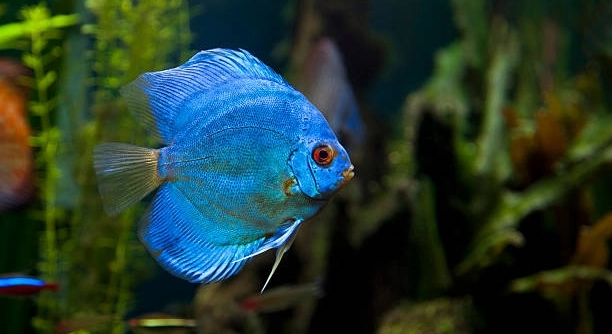
Do you keep discus fish and want to maintain a clean, healthy tank? Many discus owners consider using UV sterilizers to control algae and harmful bacteria. These devices have become popular in the aquarium hobby for their sterilizing effects.
UV sterilizers can be beneficial for discus tanks by reducing pathogens and algae growth. However, they should be used carefully, as overexposure can harm beneficial bacteria and affect the tank’s natural balance. Proper use and timing are essential for best results.
Learning how UV sterilizers work and when to use them can improve your discus care routine. This article will help you understand their advantages and potential risks.
How UV Sterilizers Work in a Discus Tank
UV sterilizers use ultraviolet light to kill or inactivate microorganisms in the water. As water passes through the unit, the UV rays damage the DNA of bacteria, algae, and parasites, preventing them from reproducing. This process helps reduce harmful pathogens that can cause diseases in discus fish. Many hobbyists find UV sterilizers helpful for keeping water clear and controlling algae growth without the need for harsh chemicals.
The strength of the UV light and the flow rate of the water through the sterilizer are important factors. Too fast, and the water won’t be exposed long enough; too slow, and the tank’s beneficial bacteria might be affected. Using a UV sterilizer does not replace regular tank maintenance like water changes and cleaning. It’s a tool that complements good aquarium care.
It’s also important to remember that UV sterilizers don’t remove physical debris or waste from the water. Mechanical filtration is still necessary to keep the tank clean. When used properly, UV sterilizers can create a healthier environment for discus fish by limiting disease-causing organisms. They are especially useful in tanks with high fish loads or during outbreaks of parasites.
Benefits of Using UV Sterilizers
UV sterilizers help keep discus tanks clearer and reduce diseases. They provide a chemical-free way to control unwanted microorganisms and algae.
Using UV sterilizers can reduce the risk of illness, making the tank safer for discus fish. They support a balanced ecosystem by targeting harmful microbes without harming fish directly. Regular use can lower stress levels in fish caused by infections. This benefit is especially important since discus are sensitive and prone to health issues.
Risks and Considerations for Discus Owners
Although UV sterilizers offer clear advantages, improper use can harm your tank’s balance. Overexposure to UV light can kill beneficial bacteria essential for breaking down fish waste. This disruption can lead to poor water quality and stress for discus fish. It’s vital to use the sterilizer only as needed, such as during disease outbreaks or to control algae spikes.
Another consideration is the placement of the sterilizer. It should be installed where water flow is steady and consistent to ensure effective exposure. UV bulbs also need regular replacement since their effectiveness drops over time, even if the light still appears to work. Ignoring this can reduce the sterilizer’s benefits and give a false sense of security.
Lastly, UV sterilizers are not a fix-all solution. They work best as part of a complete care routine that includes proper feeding, regular water changes, and good filtration. Paying attention to these details will help keep discus fish healthy and thriving while making the most of your UV sterilizer.
Installing and Maintaining a UV Sterilizer
Installing a UV sterilizer requires placing it in the water flow path, usually after the filter output. This ensures water passes through the sterilizer for effective exposure to UV light.
Make sure the sterilizer’s flow rate matches the manufacturer’s recommendations. Too fast means less sterilization, too slow can affect beneficial bacteria. Regularly check connections to avoid leaks and ensure steady water flow. Clean the quartz sleeve that surrounds the UV bulb every few weeks to keep light intensity strong. Replace the UV bulb annually or as advised, since its effectiveness decreases even if it still glows. Proper maintenance keeps the sterilizer working well.
Avoid placing the sterilizer in areas with poor water circulation or direct sunlight. This can reduce UV light efficiency. Also, ensure the unit is securely mounted to avoid vibrations that may damage the bulb. Regular inspections help prevent failures and maintain water quality for your discus.
When to Use UV Sterilizers for Discus Tanks
UV sterilizers are most useful during disease outbreaks or when algae growth gets out of control. They help reduce harmful microbes quickly, giving your fish a healthier environment.
If your discus tank is stable and well-maintained, UV sterilizers might not be necessary daily. Overusing them can harm beneficial bacteria, so using the sterilizer only when needed is best. For new tanks or those with many fish, UV sterilizers can prevent problems by keeping pathogens low. Monitor your tank’s conditions and use the UV sterilizer as a support tool rather than a constant fixture. This balanced approach helps maintain a healthy discus habitat without disrupting natural tank processes.
Choosing the Right UV Sterilizer
Selecting the correct UV sterilizer depends on your tank size and flow rate. A unit too small won’t effectively treat the water, while an oversized one might stress beneficial bacteria. Matching the sterilizer’s capacity with your tank ensures better results.
Also, consider the bulb wattage and replacement cost. Some models have more affordable maintenance, which can save money over time. Check product reviews and manufacturer details before buying.
Impact on Beneficial Bacteria
UV sterilizers can kill harmful and helpful bacteria alike. This may disrupt the natural biological filtration in your discus tank. Using the sterilizer moderately helps maintain the balance of beneficial bacteria needed for waste breakdown.
Safety Tips for Using UV Sterilizers
Always unplug the sterilizer before cleaning or bulb replacement. UV light is harmful to skin and eyes. Handle bulbs carefully to avoid breakage and dispose of them properly.
Cost Considerations
UV sterilizers vary in price depending on size and features. Keep in mind ongoing costs for bulb replacements and electricity. Balancing cost with benefits will help you choose wisely.
FAQ
How often should I run my UV sterilizer for discus tanks?
Running a UV sterilizer continuously is not always necessary. Many hobbyists operate it only when there is a problem, like algae bloom or disease outbreaks. For regular maintenance, running the unit 6 to 8 hours a day can be enough. Overusing it might harm beneficial bacteria, so balancing runtime based on your tank’s needs is important.
Can UV sterilizers prevent all diseases in discus tanks?
UV sterilizers reduce many waterborne pathogens but don’t guarantee complete disease prevention. Some parasites and bacteria may still survive or come from other sources like new fish or plants. Good quarantine practices and regular tank care remain essential alongside UV sterilization.
Will a UV sterilizer clear cloudy water?
UV sterilizers can help with certain types of cloudiness caused by bacteria or algae. However, they don’t remove debris or dissolved waste. Mechanical filtration and water changes are needed to clear physical particles causing cloudy water.
Is a UV sterilizer safe for discus fish?
Yes, when used properly, UV sterilizers are safe. The UV light stays inside the unit, so fish aren’t exposed directly. Just be sure not to overuse it, as killing too many beneficial bacteria can negatively impact water quality and fish health.
How do I know when to replace the UV bulb?
Most UV bulbs last about 9 to 12 months, but their sterilizing power decreases even if the light looks normal. Check manufacturer recommendations and replace the bulb yearly for best results. Some units have indicators to show when it’s time to change.
Can I use a UV sterilizer in a planted discus tank?
Yes, but be cautious. UV sterilizers can reduce algae, which may help plants, but killing beneficial bacteria too much can harm the tank’s natural balance. Use the sterilizer moderately and maintain proper water parameters for both fish and plants.
Does a UV sterilizer affect water temperature?
No, UV sterilizers don’t heat the water. They use UV light to sterilize but don’t add warmth. Your heater and ambient room temperature control the tank’s temperature.
What size UV sterilizer do I need for my discus tank?
Choose a sterilizer rated for your tank’s volume or slightly higher. Flow rate matters too—water should move slowly enough to allow proper UV exposure. Manufacturers often list recommended tank sizes and flow rates on their products.
Can a UV sterilizer replace regular water changes?
No, it can’t. Water changes remove dissolved waste, replenish minerals, and improve water quality in ways a UV sterilizer cannot. The sterilizer complements maintenance but does not replace it.
Will a UV sterilizer help with fish parasites?
UV sterilizers can reduce free-floating parasites in the water, lowering infection chances. However, they don’t affect parasites already on fish or in the substrate. Treating fish and tank properly is still necessary during parasite outbreaks.
Is it better to use a UV sterilizer before or after filtration?
UV sterilizers should be installed after mechanical and biological filtration. This ensures water is clear and free of debris, allowing UV light to penetrate better and work more effectively.
Are there risks if I leave my UV sterilizer on 24/7?
Continuous use can disrupt beneficial bacteria populations, harming biological filtration. This may cause spikes in ammonia or nitrites, stressing discus fish. It’s better to run the sterilizer as needed rather than constantly.
How do I clean my UV sterilizer?
Unplug the unit before cleaning. Remove the quartz sleeve and wipe off any buildup gently with a soft cloth or vinegar solution. Avoid scratching the sleeve, as this reduces UV transmission. Clean every few weeks to maintain effectiveness.
Can I install multiple UV sterilizers in one tank?
While possible, it’s usually unnecessary. Multiple sterilizers may increase the risk of killing too many beneficial bacteria. One properly sized and maintained unit should suffice for most discus tanks.
What maintenance costs come with UV sterilizers?
Costs include replacing UV bulbs annually and occasional cleaning supplies. Electricity use is generally low but adds to ongoing expenses. Budgeting for these helps maintain the unit’s effectiveness.
Will UV sterilizers remove chlorine or chloramine from tap water?
No, UV sterilizers do not remove chemicals like chlorine or chloramine. Use water conditioners designed for this purpose before adding water to your discus tank.
This FAQ covers common concerns and helps you use UV sterilizers effectively to support your discus tank’s health. Proper knowledge and care will make the most of this tool without risking your fish’s well-being.
UV sterilizers can be a helpful addition to a discus tank, but they are not a magic fix. When used properly, they reduce harmful bacteria, parasites, and algae, helping keep the water clearer and safer for your fish. Many discus owners find that UV sterilizers help prevent disease outbreaks, especially in tanks with a lot of fish or when new fish are introduced. However, these devices should not replace regular tank care practices like water changes, filtration, and feeding a balanced diet. They work best as part of a complete care plan to support discus health.
It is important to understand how UV sterilizers work and their limits. The UV light kills microorganisms by damaging their DNA as water passes through the unit. This can lower the number of pathogens in the tank, but it also can affect beneficial bacteria if overused. These helpful bacteria are necessary for breaking down fish waste and maintaining water quality. Running the sterilizer too long or too often might disrupt the tank’s natural balance, which could harm your discus fish in the long run. Therefore, moderation and monitoring are key when using UV sterilizers.
Maintenance also plays a big role in the effectiveness of a UV sterilizer. The bulb inside the unit loses strength over time and needs to be replaced regularly, usually once a year. The quartz sleeve that protects the bulb should be cleaned often to ensure the UV light can pass through clearly. Proper installation and matching the sterilizer size to your tank volume and flow rate are important for best results. When all these factors are considered, UV sterilizers can be a useful tool for keeping discus tanks healthy and vibrant without adding harmful chemicals.

Hello,
If you enjoy the content that we create, please consider saying a "Thank You!" by leaving a tip.
Every little bit helps us continue crafting quality advice that supports the health, happiness, and well-being of pets around the world, for pets of all shapes, sizes, and species.
We really appreciate the kindness and support that you show us!