
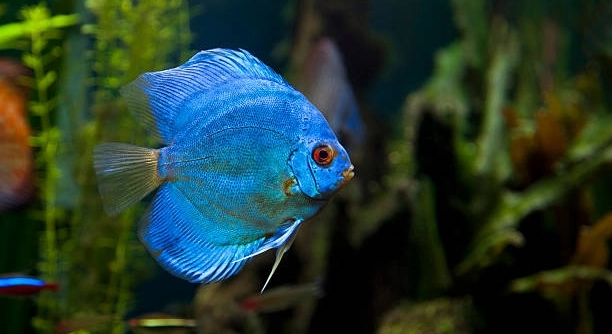
Discus fish are popular pets known for their bright colors and graceful swimming. Sometimes, a discus may start spinning in its tank, which can worry owners. Understanding why this happens is important for their well-being.
If your discus starts spinning, it is often a sign of stress, illness, or water quality issues. Immediate steps include checking water parameters, observing for other symptoms, and isolating the fish if needed to prevent worsening health or spreading disease.
Knowing how to respond quickly can help protect your discus and improve its chances of recovery. This article will guide you through practical steps to address spinning behavior effectively.
Common Causes of Spinning Behavior
Spinning in discus fish usually signals something is wrong in their environment or health. One frequent cause is poor water quality. Discus are very sensitive to ammonia, nitrites, and nitrates. Even slight changes can stress them, leading to abnormal swimming like spinning. Another cause could be internal parasites or bacterial infections. These illnesses affect the fish’s balance and movement. Sometimes, spinning happens when the discus is injured or stressed by tank mates. Sudden changes in temperature or water chemistry also contribute. It’s important to observe other signs such as loss of appetite or discoloration. Identifying the exact cause will help you take the right action to improve the fish’s condition and stop the spinning.
Spinning is often a symptom, not the problem itself. Understanding the underlying cause is key to effective treatment.
Taking quick action prevents long-term damage and helps maintain a healthy tank environment for your discus.
How to Check and Improve Water Quality
Start by testing the water with a reliable kit. Measure ammonia, nitrites, nitrates, pH, and temperature. Ideal levels are zero ammonia and nitrites, low nitrates below 20 ppm, pH around 6.0–7.0, and stable temperature near 82°F (28°C). If levels are off, perform a partial water change of about 25–30% to reduce toxins. Clean the filter but avoid over-cleaning, which can remove beneficial bacteria. Adding activated carbon can help remove impurities. Keep an eye on water hardness too, as discus prefer soft water. Regular testing and maintenance prevent problems before spinning starts. Water changes should be frequent in discus tanks due to their sensitivity. By maintaining good water quality, your discus will be less likely to experience stress-related spinning and other health issues.
Careful water management can restore your discus’s normal swimming behavior and improve overall health. Consistency is essential to keep your fish comfortable and stress-free. Avoid sudden changes and test regularly to catch problems early.
Isolating the Spinning Discus
Separating the spinning discus can help reduce stress and prevent disease spread. Use a quarantine tank with clean, stable water conditions. Keep the temperature and pH similar to the main tank to avoid shock.
In the quarantine tank, observe the fish closely for any additional symptoms like lethargy, loss of appetite, or visible wounds. Isolation also makes it easier to treat the fish with medications if needed. Avoid overcrowding, as discus prefer calm environments during recovery. Feeding should be gentle and limited to small amounts to monitor eating habits without stressing the fish.
Maintain good water quality and change water frequently in the quarantine tank. This controlled space allows your discus to heal without interference from other fish. Isolation supports recovery and helps you focus on targeted care.
When to Seek Professional Help
If your discus continues spinning after basic steps, consult an aquatic veterinarian or experienced fish keeper. Persistent spinning may indicate serious health issues needing expert diagnosis and treatment.
A professional can perform tests, recommend medications, and advise on tank conditions that might be difficult to manage at home. Early intervention often prevents worsening of symptoms and improves chances of recovery. Don’t wait too long, as untreated conditions can become fatal. It’s better to seek help promptly than to risk losing your discus.
Professional guidance ensures your discus gets the correct treatment and support it needs to recover fully. This step is important if symptoms persist despite your care efforts.
Adjusting Tank Environment
Keep the tank stable by avoiding sudden changes in temperature or water chemistry. Discus are sensitive, and even small shifts can cause stress and spinning.
Use a reliable heater and monitor water conditions regularly. Consistency helps your discus feel secure and reduces spinning caused by environmental stress.
Improving Diet and Nutrition
A balanced diet supports your discus’s immune system and overall health. Offer high-quality foods like pellets, frozen bloodworms, and brine shrimp. Avoid overfeeding, which can pollute the water and cause health issues. Feeding small amounts several times a day helps maintain good nutrition without overwhelming the tank environment.
Proper nutrition can strengthen your discus’s ability to fight off infections that might cause spinning. A varied diet also keeps your fish active and vibrant.
Avoid Overcrowding
Too many fish in one tank increases stress and competition for resources. This often leads to erratic behavior, including spinning.
Keep discus tanks spacious enough for each fish to swim freely and establish territories.
FAQ
Why is my discus spinning in circles?
Spinning usually means your discus is stressed or unwell. It could be due to poor water quality, parasites, infections, or injury. Sometimes, sudden changes in temperature or aggressive tank mates cause stress that leads to spinning. Checking the environment and health carefully will help find the reason.
How can I stop my discus from spinning?
First, test and improve water quality by changing water and cleaning the filter. Isolate the spinning fish to reduce stress and prevent spreading illness. Feed a balanced diet and avoid overcrowding. If spinning continues, seek advice from a professional to diagnose possible diseases or parasites.
Can spinning discus recover fully?
Yes, many discus recover if treated early. Addressing water quality, stress factors, and health problems promptly gives them a good chance to heal. Recovery depends on how long the spinning has lasted and the fish’s overall condition.
Is spinning a sign of swim bladder problems?
Yes, spinning can indicate swim bladder disorder. This organ helps fish balance in water. Infection, injury, or poor diet can cause swim bladder issues. Treatment includes adjusting diet, improving water quality, and sometimes medication.
Should I change the water if my discus spins?
Absolutely. Clean water is critical. Changing 25-30% of water helps remove toxins and improve conditions. Frequent water changes prevent buildup of harmful substances that stress your discus and cause spinning.
How often should I test water parameters?
For discus tanks, test water at least once a week. This helps catch problems early before they stress your fish. Keep an eye on ammonia, nitrites, nitrates, pH, and temperature.
Can spinning be caused by tank mates?
Yes, aggressive or overly active tank mates can stress discus, causing them to spin or swim erratically. Make sure your discus shares the tank with calm, compatible fish.
What medications help with spinning?
Medications depend on the cause. Parasite treatments, antibiotics, or swim bladder remedies may be needed. Always consult a vet or fish expert before using medication, as improper use can harm your fish.
Is spinning more common in new tanks?
Yes, new tanks often have unstable water chemistry, which can stress discus. Make sure the tank is fully cycled before adding discus. Regular monitoring helps keep conditions stable.
Can diet affect spinning?
Yes, poor diet weakens discus and can cause swim bladder problems leading to spinning. Feed a varied diet rich in protein and avoid overfeeding to keep your discus healthy.
How long does it take for a spinning discus to improve?
Improvement depends on the cause and treatment speed. Some fish may improve within days if water quality is fixed and stress reduced. Others may take weeks with medication and isolation.
Should I handle a spinning discus?
Handle your discus only if necessary. Handling causes additional stress and can worsen spinning. Focus on water quality and treatment instead.
Can stress alone cause spinning?
Yes, stress from poor environment, tank mates, or sudden changes can cause spinning. Reducing stressors and maintaining stable conditions often stops the behavior.
Is spinning always visible?
Not always. Sometimes a discus might spin only occasionally or subtly lose balance. Watch your fish carefully for signs of trouble early.
Does spinning affect other fish in the tank?
If caused by illness, spinning discus can spread parasites or bacteria. Isolation helps protect other fish. Stress in one fish may cause tension but usually doesn’t directly cause others to spin.
What’s the best quarantine setup for a spinning discus?
Use a clean tank with stable water matching the main tank’s conditions. Include gentle filtration and minimal decoration to reduce stress. Frequent water changes keep the environment healthy during recovery.
Can temperature changes cause spinning?
Yes, discus need warm, stable temperatures around 82°F (28°C). Rapid changes can cause balance issues and stress, leading to spinning. Use a reliable heater and monitor temperature daily.
Is spinning a reason to replace a discus?
Not necessarily. Many discus recover fully with proper care. Replacing a fish should be a last resort after trying treatments and consulting experts.
Can I prevent spinning with regular maintenance?
Yes, keeping water clean, stable, and feeding well reduces risk. Regular testing, proper stocking, and avoiding stress factors keep discus healthy and less prone to spinning.
Are some discus more prone to spinning?
Some individuals may be more sensitive due to genetics, age, or past illness. Young or weak discus are more vulnerable. Good care helps reduce spinning in all fish.
What signs should I watch for besides spinning?
Look for loss of appetite, clamped fins, pale color, rapid breathing, or rubbing against objects. These signs often appear with spinning and indicate health problems.
Discus fish spinning in their tank is a clear sign that something is not quite right. This behavior often points to stress, illness, or environmental problems. It’s important to pay attention and act quickly when you see your discus spinning. The sooner you identify the cause, the better the chances of helping your fish recover. Taking time to check water quality, diet, and tank conditions can prevent many of these issues from getting worse. Regular maintenance and close observation are key to keeping your discus healthy and happy.
Addressing spinning discus means looking at many factors at once. Water quality is one of the most important elements, as discus are very sensitive to changes. Testing the water regularly and making sure parameters stay stable helps reduce stress on your fish. Sometimes, spinning is caused by health issues like infections or swim bladder problems, which need proper treatment. Isolating the spinning discus in a quarantine tank is a good way to monitor and care for it without risking other fish. Also, feeding a balanced diet and avoiding overcrowding can support recovery and prevent spinning from starting in the first place.
In some cases, spinning may continue despite your best efforts, which is when consulting a professional becomes important. Aquatic vets or experienced fishkeepers can offer advice, tests, or medications that you might not have access to at home. Remember that recovery takes time and patience. Keep your tank stable, provide good nutrition, and monitor your fish carefully during this period. With the right care, many discus recover fully and return to their calm, graceful swimming. Staying attentive and proactive is the best way to support your discus’s health and prevent spinning from becoming a long-term problem.

Hello,
If you enjoy the content that we create, please consider saying a "Thank You!" by leaving a tip.
Every little bit helps us continue crafting quality advice that supports the health, happiness, and well-being of pets around the world, for pets of all shapes, sizes, and species.
We really appreciate the kindness and support that you show us!