
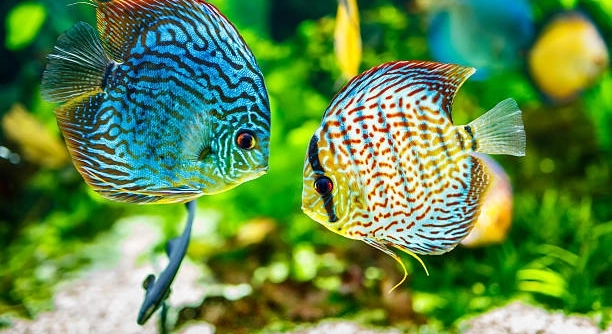
Are your discus fish swimming alone or scattered across the tank instead of moving together in a calm, coordinated group? Schooling behavior is one of the most beautiful and natural actions discus are known for.
Discus fish may stop schooling properly due to stress, poor water quality, tank size, incompatible tank mates, illness, lack of environmental enrichment, or hierarchy conflicts. Identifying the exact cause is crucial to restoring their natural schooling behavior.
Each reason reveals something important about your tank setup and fish care routine, helping you create a more peaceful and healthy environment.
Stress from Environmental Changes
Discus fish are sensitive to even small changes in their surroundings. If something feels off in the tank—like sudden lighting shifts, water temperature fluctuations, or aggressive tank mates—they tend to stop schooling and isolate themselves. Moving decorations, rearranging plants, or switching tanks too often can make them anxious. Even noise around the tank or shadows passing by frequently can trigger stress. This stress changes their behavior, including how they swim together. Keeping things stable helps them feel safe and encourages natural schooling. Make changes slowly, and always observe how they react to new elements in their environment.
Discus that are stressed usually become skittish, hide more often, or swim in erratic patterns away from the group.
A quiet setup with dim lighting, consistent temperature, and a calm routine goes a long way. When they feel secure, discus naturally return to their schooling behavior. It’s all about helping them feel safe and settled again.
Poor Water Quality
Dirty water causes major stress for discus and interferes with their social behavior.
When ammonia, nitrites, or nitrates rise above safe levels, discus can become lethargic and stop schooling. Dirty water also weakens their immune system, which can lead to disease or discomfort. Even if everything else in the tank looks perfect, poor water conditions can quickly disrupt their routine. Test your water weekly and aim for pristine conditions. Keep ammonia and nitrites at zero and nitrates as low as possible—ideally under 20 ppm. Perform regular water changes, clean your filter media properly, and avoid overfeeding. Decaying food and waste raise toxin levels fast, especially in crowded tanks. Discus prefer soft, slightly acidic water with minimal fluctuations. If the water chemistry changes too quickly or often, it can throw off their balance and discourage schooling. Once water conditions are steady and healthy, you’ll likely see them begin to regroup and swim confidently together again.
Incompatible Tank Mates
Discus don’t get along well with aggressive or overly active fish. Tank mates that nip fins or dart around too fast can make them nervous and disrupt their schooling.
Keeping discus with calmer species is important. Fish like angelfish, barbs, or fast-moving tetras might seem peaceful, but their behavior can stress out discus. This leads to separation and hiding. Discus are social, but only when they feel safe. Too much competition for food or space also adds tension. Make sure tank mates move slowly and allow discus to glide peacefully through the water. Good companions include cardinal tetras, corydoras, and peaceful dwarf cichlids. These fish won’t chase or crowd them. Rearranging territories and feeding spaces can also reduce tension. If the discus are being chased or bothered constantly, they’ll retreat from the group and stop acting like themselves.
Removing the wrong tank mates can bring immediate changes. It gives your discus space to breathe and regroup.
Illness or Discomfort
When discus feel unwell, they often stop schooling and start isolating themselves. This change in behavior can be one of the earliest signs that something is wrong internally.
Common issues include internal parasites, fin rot, gill infections, and bloating. These conditions make them sluggish and uncomfortable. Look for subtle signs like clamped fins, pale colors, or unusual breathing. Even if only one fish looks sick, the whole group might break apart as a reaction to the change. Quarantine the affected fish and begin treatment right away. Use medicated food or targeted treatments depending on the issue. Keeping the tank warm, clean, and quiet during recovery also helps. A healthy discus will show interest in food, maintain bright colors, and swim with the group. As they begin to feel better, they’re more likely to rejoin the others and move confidently again. Early attention makes a big difference and avoids more serious problems later.
Tank Size and Layout
A small or crowded tank limits swimming space, making it harder for discus to school naturally. They need room to glide as a group without feeling cramped or constantly bumping into decorations or other fish.
Tall plants, driftwood, and heavy décor can block their paths. Too many obstacles break their line of sight and discourage schooling behavior. Keep the layout open in the middle with hiding spots around the edges to balance comfort and movement.
Lack of Environmental Enrichment
Discus thrive in environments that mimic their natural habitat. When tanks are too bare or feel unnatural, they lose interest in social behaviors like schooling. Add plants, gentle water movement, and soft lighting to make the space more inviting. This encourages activity and calm group behavior.
Social Hierarchy Conflicts
Discus often develop pecking orders within the group. If one fish becomes dominant or aggressive, others may break away. Keeping group numbers even and providing plenty of space can help reduce tension and restore calm schooling behavior.
FAQ
Why do my discus hide instead of schooling?
Hiding is usually a stress response. Discus may hide due to sudden changes in lighting, loud noises, aggressive tank mates, or poor water conditions. When they feel threatened or unwell, they often seek shelter behind plants or decorations. Hiding becomes more common if the tank lacks proper structure or if the environment feels unstable. Make sure water quality is ideal, the tank is large enough, and there are no overly active or aggressive fish. When things feel safe again, discus usually return to swimming in a group.
Can one sick discus affect the others’ behavior?
Yes, absolutely. Discus are social and react to changes in group dynamics. If one fish becomes sick, it can throw off the behavior of the entire group. A sick discus may isolate itself, and the others may become more cautious or stressed in response. Even mild symptoms like reduced appetite or color loss can influence how they interact. It’s important to separate and treat the sick fish early. This helps restore balance and prevents illness from spreading or causing long-term social disruption in the tank.
How many discus should I keep for proper schooling?
It’s best to keep at least five to six discus together. Smaller numbers can create stress, and one fish may become dominant, bullying the others. Larger groups allow them to spread out the social pressure and behave more naturally. If possible, keep groups of six or more in a tank that is at least 55 gallons. This helps them feel secure and promotes steady, relaxed schooling. More fish also means less risk of one getting singled out and stressed, which supports better group behavior overall.
Do young discus school differently than adults?
Yes, young discus often school more tightly than adults. Juveniles tend to stay close together as a way to feel secure. As they mature, they may begin to space out slightly or explore on their own more often. However, adult discus should still show regular schooling, especially during feeding or when they feel uncertain. If mature discus are constantly apart, it may be a sign of stress or illness. Watch for other behavior changes and check their environment to make sure everything is stable and suitable.
Is it normal for discus to stop schooling after a water change?
Yes, this can happen. Even when done carefully, a water change slightly alters temperature, pH, and water chemistry. Discus are sensitive to these shifts and may become wary afterward. It’s important to match new water as closely as possible to the tank’s current conditions. Keep the lighting low and avoid sudden movements during the process. Within a few hours to a day, they usually resume normal schooling if everything else is stable. If the behavior continues longer, test the water to rule out any imbalances.
Can lighting affect how discus school?
Definitely. Discus prefer soft, diffused lighting. Bright, harsh light can make them feel exposed and vulnerable, causing them to scatter or hide. Using dim lighting, floating plants, or adjustable LED setups can help. Create a natural light cycle with periods of calm, consistent brightness. When they feel less exposed, discus are more likely to stay together in a relaxed group. Avoid sudden changes or flashes, which can startle them and lead to erratic swimming or disrupted schooling.
Why do my discus separate after feeding?
This is pretty normal. Feeding times often stir excitement and a bit of competition. After eating, discus may swim off to digest or rest in quieter parts of the tank. It doesn’t always signal a problem unless they stay separated for long periods or stop showing interest in the group altogether. To encourage better post-feeding behavior, space out food portions, feed in multiple spots, and reduce competition. Once things settle down, they usually return to schooling if the rest of the environment is balanced.
How long does it take for discus to school again after stress?
It depends on the cause of stress and how quickly it’s resolved. Some discus will regroup within a few hours after a mild disruption, while others may take a few days to recover. If there’s been a major change—like moving tanks or adding new fish—it may take longer. Keep the environment stable, limit noise and activity around the tank, and ensure clean water. With patience, most discus resume normal schooling once they feel safe and healthy again. Watch for signs of improvement like steady swimming, clear eyes, and strong color.
Final Thoughts
Discus are beautiful, peaceful fish, but they can also be a little sensitive. When they stop schooling, it’s usually because something in the tank isn’t right for them. It could be stress, poor water quality, social tension, or even just a lack of space. Paying close attention to how they behave every day helps you notice small changes early. When discus stop moving together, it’s often one of the first signs that something is off in their environment. Fixing the problem quickly can make a big difference in helping them return to calm, steady swimming.
It’s helpful to think about all the possible reasons together rather than focusing on just one. Look at the tank size, layout, water conditions, tank mates, and how often things in the tank are changed. A clean, quiet, and well-designed tank makes it easier for discus to behave naturally. They like to feel safe and calm, and when those needs are met, schooling becomes a regular part of their day. Keeping them in small groups of at least five or six, with plenty of space to swim, can really improve how they interact with each other.
There’s no single fix for every tank, but when you keep their needs in mind, discus usually show you what’s working. If they start swimming together again, stay active, and eat well, those are good signs that they feel comfortable. Give them time when changes are made, and don’t rush the process. Make small adjustments instead of big ones, and always test your water often. The more consistent you are with care and maintenance, the more your discus will reward you with peaceful, flowing movement across the tank. Watching them school calmly is not just a sign of a healthy environment—it’s also one of the most relaxing parts of keeping discus.

Hello,
If you enjoy the content that we create, please consider saying a "Thank You!" by leaving a tip.
Every little bit helps us continue crafting quality advice that supports the health, happiness, and well-being of pets around the world, for pets of all shapes, sizes, and species.
We really appreciate the kindness and support that you show us!