
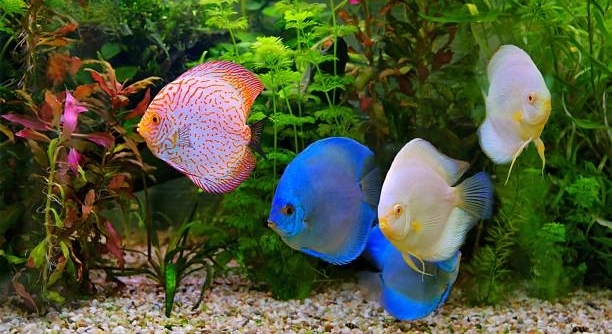
Breeding discus fish can be rewarding, but it also comes with challenges that many hobbyists face. Understanding what discourages breeding helps improve success and creates a better environment for these beautiful fish. This article explores common obstacles in discus breeding.
Several factors discourage discus breeding, including poor water quality, inadequate diet, improper tank setup, stress, incompatible pairs, disease, and inconsistent lighting. Each of these issues impacts the fish’s ability to breed successfully and maintain healthy offspring.
Knowing these challenges will help you create better conditions for your discus fish and improve their chances of breeding successfully over time.
Poor Water Quality
Discus fish are very sensitive to water conditions, and poor water quality is one of the main reasons breeding fails. High levels of ammonia, nitrites, or nitrates can stress the fish and prevent spawning. Chlorine or heavy metals in tap water can also harm discus. Keeping water clean requires regular changes, proper filtration, and testing water parameters often. Ideal water should be soft, slightly acidic, and stable in temperature around 82–86°F (28–30°C). Sudden changes in water chemistry can shock the fish and stop breeding behavior. Many hobbyists overlook this, but good water is the foundation for healthy discus and successful breeding.
Consistent water maintenance is key to supporting discus fish reproduction and keeping them healthy throughout the breeding process.
Regular water testing and timely water changes create a stable environment that helps discus feel comfortable enough to breed and raise fry successfully.
Inadequate Diet
Providing discus with a balanced and nutritious diet plays an important role in encouraging breeding behavior. Feeding a variety of high-quality foods like frozen bloodworms, brine shrimp, and specially formulated pellets helps improve their health and vitality. If discus lack proper nutrition, they may not develop the energy or condition necessary to spawn. Overfeeding or feeding low-quality food can also lead to poor water quality, which further discourages breeding. Including live or frozen foods can simulate natural feeding habits and boost the fish’s readiness to breed. It’s essential to feed discus multiple times daily in small amounts to avoid waste buildup. A well-fed discus pair is much more likely to show interest in spawning and caring for their eggs. Adjusting diet is a straightforward step that makes a big difference in breeding success.
Improper Tank Setup
Discus need a well-organized tank to breed successfully. Crowded or noisy environments can stress them out.
The tank should have enough space—at least 20 gallons for a breeding pair—to allow movement and territory establishment. Decorations like smooth rocks or broad leaves provide good surfaces for eggs. Strong water flow should be avoided, as discus prefer calm water. Temperature and lighting need to be stable and consistent. Using a gentle sponge filter helps maintain clean water without disturbing the fish.
A poorly set up tank creates stress and disrupts natural breeding behavior. Investing time in arranging the tank correctly improves comfort and encourages discus to spawn without interruptions or anxiety.
Stress and Incompatible Pairs
Stress can come from many sources and is a major reason discus avoid breeding. Loud noises, frequent tank disturbances, or aggressive tankmates raise stress levels. Additionally, pairs that don’t bond well or show aggression towards each other rarely breed successfully.
Stress weakens discus immune systems, lowers interest in spawning, and may cause illness. Choosing compatible pairs involves observing behavior over time to ensure they get along and show mutual interest. Sometimes, what seems like a good pair may need to be separated if aggression occurs. Reducing external stressors and giving fish privacy increases their chances of breeding naturally and raising healthy fry.
Disease and Illness
Diseases can quickly stop discus from breeding. Sick fish lose energy and focus on recovery rather than spawning.
Common infections like parasites or bacterial problems reduce their overall health. Keeping the tank clean and quarantining new fish helps prevent illness.
Inconsistent Lighting
Discus respond to natural day-night cycles. Too much or too little light can confuse their breeding rhythm.
Maintaining a consistent lighting schedule of about 10–12 hours a day supports natural behavior. Sudden changes or prolonged darkness discourage spawning and stress the fish.
Incompatible Water Parameters
Discus thrive in soft, slightly acidic water with stable temperature and pH.
Water that is too hard, alkaline, or fluctuates rapidly can stop breeding. Monitoring and adjusting water conditions regularly ensures a supportive environment that encourages successful spawning.
FAQ
What is the best water temperature for discus breeding?
The ideal water temperature for discus breeding is between 82°F and 86°F (28°C to 30°C). Maintaining this range encourages spawning and helps eggs develop properly. Temperatures lower than this slow down metabolism, while higher temperatures can stress the fish and reduce breeding success.
How often should I change the water during breeding?
Frequent water changes are important for clean, healthy water. Changing 20-30% of the water every two to three days helps keep ammonia and nitrate levels low. During breeding, water changes should be done carefully to avoid stressing the fish or disturbing the eggs.
Can I breed discus in a community tank?
Breeding discus in a community tank is usually difficult because other fish can stress the breeding pair and eat the eggs or fry. It’s best to set up a separate breeding tank where the pair has privacy and no competition or threats.
How do I know if my discus pair is compatible?
Compatible pairs often swim closely together, clean each other, and defend a specific area. Signs of aggression or constant chasing usually mean the pair is not compatible. Observing behavior over time helps decide if the pair should stay together for breeding.
What kind of diet helps discus breed?
Feeding discus a varied diet rich in protein helps improve their condition for breeding. Frozen bloodworms, brine shrimp, and high-quality pellets are good choices. Feeding small amounts several times a day ensures nutrition without overfeeding or polluting the water.
Why are my discus not spawning even though conditions seem right?
Sometimes discus need more time to adjust to the tank or pair up properly. Stress, illness, or subtle water parameter issues can also prevent spawning. Patience and careful observation, along with ensuring all conditions are stable, usually help encourage breeding.
How long do discus eggs take to hatch?
Discus eggs typically hatch within 48 to 60 hours after spawning. During this time, parents usually guard and clean the eggs to prevent fungus. After hatching, the fry remain attached to the parents for several days before swimming freely.
What should I do if fungus grows on the eggs?
Fungus can destroy eggs quickly. If fungus appears, you can gently remove affected eggs or use antifungal treatments safe for discus. Improving water quality and reducing stress also help prevent fungal infections.
Can discus breed without a specific spawning site?
Discus prefer to lay eggs on flat, smooth surfaces such as broad leaves, slate, or aquarium glass. Without these, they may not spawn or will choose poor sites. Providing appropriate surfaces encourages natural spawning behavior.
How important is lighting during discus breeding?
Lighting influences discus breeding cycles. Too bright or inconsistent lighting can stress fish and disrupt spawning behavior. Using a timer to keep a steady 10-12 hour light period helps maintain their natural rhythm and supports breeding activity.
Final Thoughts
Breeding discus fish can be challenging, but understanding what discourages their breeding helps create better conditions. Water quality, diet, tank setup, stress, and other factors all play important roles. Each of these issues affects the fish’s health and willingness to spawn. By paying close attention to these details, you can improve the chances of successful breeding and enjoy watching your discus thrive.
It’s important to remember that discus fish need a calm and stable environment to feel safe enough to breed. Stress from loud noises, frequent tank changes, or aggressive tankmates can easily stop breeding behavior. Providing a quiet tank with proper space, good water, and suitable decorations gives discus the comfort they need. Along with a balanced diet and consistent lighting, these conditions help discus feel natural and ready to spawn.
Patience is key when breeding discus. Even with perfect conditions, it may take time for pairs to form and eggs to appear. Observing their behavior and making small adjustments when needed will help you learn what your fish prefer. Avoid rushing the process or making sudden changes that could cause stress. With steady care and attention, breeding discus can become a rewarding part of fishkeeping.

Hello,
If you enjoy the content that we create, please consider saying a "Thank You!" by leaving a tip.
Every little bit helps us continue crafting quality advice that supports the health, happiness, and well-being of pets around the world, for pets of all shapes, sizes, and species.
We really appreciate the kindness and support that you show us!