
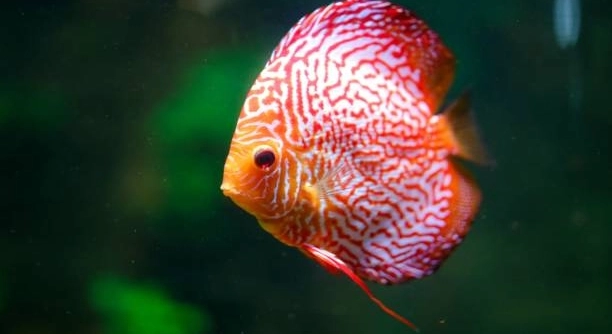
Discus fish are popular for their vibrant colors and graceful swimming. Sometimes, their fins start to clamp, which can worry many fish keepers. Understanding why this happens can help keep your discus healthy and comfortable.
Clamped fins in discus fish are usually a sign of stress, illness, poor water quality, or improper tank conditions. Identifying and correcting these causes early is essential to prevent further health problems and ensure the wellbeing of your fish.
Recognizing the reasons behind clamped fins can guide you in making the right changes for your discus tank’s environment and care.
Common Causes of Clamped Fins in Discus
Discus fish show clamped fins when they feel stressed or uncomfortable. One major cause is poor water quality. High levels of ammonia, nitrites, or nitrates can irritate their skin and gills, making them hold their fins tight. Another cause is sudden changes in temperature or water parameters, which disrupt their environment and make them uneasy. Illness is also a frequent reason. Parasites, bacterial infections, or fungal problems can cause pain or discomfort, leading to clamped fins. Even overcrowding or aggressive tank mates can stress discus fish and affect their behavior. Feeding issues, like poor diet or overfeeding, might contribute indirectly by weakening their immune system. Keeping the tank clean, stable, and properly stocked is essential to prevent these issues. Paying attention to how your fish act daily can help you spot problems early and take action before the condition worsens.
Stress, illness, and water problems are the main reasons discus clamp their fins.
Knowing these causes helps keep your fish happy and healthy, avoiding future problems.
How Water Quality Affects Discus Fins
Poor water quality is one of the most common reasons for clamped fins. Discus fish are sensitive to changes in their tank water. If ammonia or nitrite levels rise even slightly, it can cause serious stress. Regular testing is important to keep these chemicals at safe levels. Water hardness and pH should also be stable because sudden shifts can shock the fish. Dirty water means more toxins and less oxygen, which harms their health. Changing water frequently and using a good filtration system helps maintain clean water. Warm, soft water close to their natural habitat is best. When water quality is poor, discus will clamp their fins to protect themselves, showing that something isn’t right. Fixing water issues quickly can prevent illness and help your fish recover their normal behavior and bright fins.
Regular care and monitoring are key to clean, stable water for discus.
Illness and Parasites
Illness often causes discus fish to clamp their fins as a sign of discomfort. Parasites, bacteria, or fungi may be affecting them. Early detection is crucial for treatment.
Parasites like gill flukes or skin worms irritate the fish and cause stress. Bacterial infections can develop from poor water conditions or injury. Fungal infections usually appear as white patches or fuzz. These health problems make discus clamp their fins to protect sensitive areas. If you notice other symptoms such as lethargy, loss of appetite, or discoloration, it is important to isolate the affected fish and start treatment quickly. Using medication designed for discus and keeping the tank clean helps recovery. Always follow dosage instructions carefully.
Monitoring your fish daily for unusual signs is important to catch illness early. Healthy discus will swim actively with fins fully spread. Treatment can restore their comfort and improve fin condition.
Tank Environment and Social Stress
Overcrowding and aggressive tank mates can cause stress in discus fish. They need enough space and calm companions to thrive.
When discus share their tank with too many fish or aggressive species, they may clamp their fins to reduce exposure and protect themselves. Stress from bullying or constant chasing weakens their immune system and makes them more prone to disease. Maintaining proper stocking levels and choosing peaceful tank mates is essential. Adding plenty of plants and hiding spots helps discus feel secure. Creating a stable and peaceful environment reduces fin clamping and encourages natural, healthy behavior. It is worth adjusting tank setup if you notice repeated signs of stress or aggression to keep your discus comfortable.
Feeding and Nutrition
Poor diet can weaken discus and cause stress, leading to clamped fins. Balanced nutrition is important for their health.
Overfeeding or feeding low-quality food can upset their digestion and immune system. Fresh, varied food keeps them strong and active.
Temperature Fluctuations
Discus prefer stable, warm water between 82°F and 86°F. Sudden temperature changes cause stress, often shown by clamped fins.
Keeping a reliable heater and checking the water temperature daily helps prevent these problems.
Signs to Watch For
Clamped fins often come with other signs like lethargy, loss of appetite, or faded colors. These symptoms mean your discus needs attention.
FAQ
Why are my discus fish clamping their fins only at night?
Discus may clamp their fins at night because they feel less secure when the tank is darker and quieter. This behavior can also be linked to lower water temperatures during the night or stress from changes in lighting. Ensuring the tank environment remains stable and that the water temperature does not drop too much can reduce this. Providing hiding spots and maintaining a calm atmosphere will help your discus feel safer and more relaxed at night.
Can clamped fins be a sign of early illness?
Yes, clamped fins often indicate early stages of illness. It is one of the first visible signs that your discus may be stressed or suffering from infections, parasites, or other health problems. Watch for other symptoms like loss of appetite, unusual swimming patterns, or spots on their body. Early detection allows you to act quickly, improving the chances of a full recovery.
How long does it take for discus fins to unclamp after fixing water issues?
Once water quality improves, fins can start to unclamp within a few days. However, it depends on how severe the water problems were and how long the fish was exposed to them. Consistently clean and stable water encourages faster healing and reduces stress. Patience is important, as full recovery can take up to one or two weeks in some cases.
Is fin clamping contagious among discus fish?
Fin clamping itself is not contagious, but the underlying causes like parasites or bacterial infections can spread between fish. If one discus shows clamped fins due to illness, it’s wise to isolate the affected fish or treat the whole tank if necessary. Maintaining good hygiene and monitoring all fish closely can prevent outbreaks.
Can diet changes help improve clamped fins?
Improving diet can support overall health and reduce stress, which helps fins return to normal. Feeding high-quality, varied food rich in vitamins and proteins strengthens the immune system. Avoid overfeeding, as leftover food can worsen water quality, indirectly causing stress. Supplements or specialized discus food may be beneficial during recovery.
Should I use medication if my discus has clamped fins?
Medication is useful if clamped fins result from infections or parasites. However, it’s important to correctly diagnose the problem before treating. Unnecessary medication can harm the fish and tank environment. If unsure, consult a veterinarian or experienced fish keeper. Always follow the medication instructions carefully to avoid overdosing.
Can poor tank setup cause fin clamping?
Yes, improper tank size, lack of hiding places, or aggressive tank mates can stress discus, causing clamped fins. Discus need enough space to swim and a calm environment to feel safe. Adding plants, driftwood, or caves offers shelter, helping reduce stress and encouraging natural behavior.
Is fin clamping a permanent condition?
Fin clamping is usually temporary and reversible if the cause is addressed. Once stress, illness, or water problems are fixed, fins will often return to normal. Persistent fin clamping, however, may indicate ongoing issues that need further investigation or treatment.
How often should I check my discus tank to prevent fin clamping?
Daily observation is best to catch early signs of stress or illness. Regular water testing should be done at least once a week. Consistent maintenance, like water changes and filter cleaning, helps keep the tank stable and reduces risks of fin clamping.
What role does tank temperature play in fin clamping?
Tank temperature directly affects discus comfort. Too cold or fluctuating temperatures cause stress, leading to clamped fins. Maintaining a steady warm temperature between 82°F and 86°F mimics their natural habitat and promotes healthy behavior.
Can stress from transportation cause fin clamping?
Yes, moving discus from one tank to another or transporting them causes stress, often leading to clamped fins. After transport, provide a calm, stable environment and avoid sudden changes to help them recover quickly.
Is it normal for juvenile discus to clamp fins more often?
Young discus can clamp fins more frequently due to their sensitivity to environmental changes and stress. They are still adapting to tank conditions, so keeping the water clean and stable is especially important during this stage.
Are there any natural remedies to help discus with clamped fins?
Some aquarists use natural remedies like Indian almond leaves or mild salt baths to reduce stress and improve water quality. These can help soothe fish and prevent infections, but they should be used carefully and not replace proper medical treatment when needed.
How can I prevent fin clamping in the future?
Preventing fin clamping involves maintaining excellent water quality, providing a stable tank environment, feeding a balanced diet, and avoiding overcrowding. Regular tank care and monitoring fish behavior help catch problems early, keeping discus healthy and comfortable.
Clamped fins in discus fish are a clear sign that something in their environment or health isn’t quite right. While it may look like a small problem, it often points to stress, illness, or water conditions that need attention. Understanding why your discus clamps its fins helps you act quickly before the issue becomes serious. Discus are sensitive fish that need stable water parameters, proper diet, and a calm tank environment to thrive. When these needs are not met, clamping fins become a way for the fish to protect themselves and show discomfort.
Taking care of water quality is one of the most important steps to prevent and fix clamped fins. Regular testing for ammonia, nitrites, and nitrates, along with frequent water changes, keeps the tank safe and healthy. Temperature stability is also key because sudden changes can stress your discus. Besides the water, watching for signs of illness or parasites is necessary. Early treatment makes a big difference in recovery. Keeping the tank clean and providing good nutrition helps boost the immune system of your discus and supports their overall health.
Creating a peaceful environment for your discus reduces stress and helps prevent fin clamping. Overcrowding or aggressive tank mates should be avoided, and adding hiding spots gives your fish places to feel safe. Feeding a balanced diet with high-quality food strengthens their health. Patience and consistency in tank care will improve your discus’s wellbeing over time. Remember, clamped fins are often the first sign of a problem, but with careful attention, you can help your discus get back to their bright, beautiful selves.

Hello,
If you enjoy the content that we create, please consider saying a "Thank You!" by leaving a tip.
Every little bit helps us continue crafting quality advice that supports the health, happiness, and well-being of pets around the world, for pets of all shapes, sizes, and species.
We really appreciate the kindness and support that you show us!