
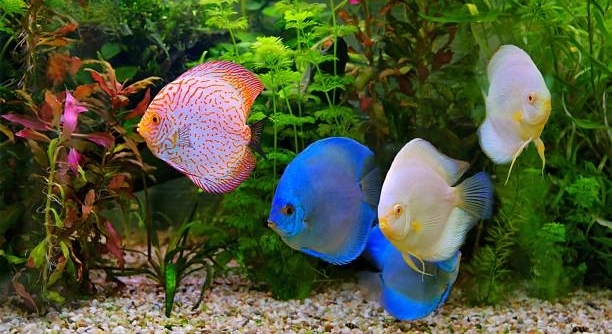
Do your discus fish spend most of their time huddled in one corner of the tank, leaving you feeling concerned or confused? You’re not alone—many aquarists notice this and wonder what it means.
Discus fish often stay in one corner due to stress, poor water quality, illness, or discomfort in their environment. These behaviors are usually a response to something in the tank that disrupts their sense of safety or balance.
There are several reasons behind this behavior, and understanding each one will help you take the right steps to improve your discus fish’s well-being.
Poor Water Quality
Discus fish are sensitive to changes in their environment. When water quality drops, they often react by hiding or staying in one corner. High ammonia or nitrite levels, unstable pH, or low oxygen can all trigger this behavior. Even subtle changes, like temperature fluctuations or inconsistent water changes, can make them uncomfortable. Clean, balanced water helps them feel safe and act normally. Regular water testing is key. Use a reliable test kit to monitor ammonia, nitrite, nitrate, and pH levels. If anything is off, take action quickly. Small issues can grow if ignored.
When your discus fish hide, it’s often a sign something is off in the water. They rely on stability and clean conditions to thrive.
Stay on top of water changes and avoid overfeeding. Too much waste can cause spikes in harmful substances. Keep your filter clean and strong. A healthy tank leads to confident, active discus.
Stress From Tankmates
Discus fish can become stressed by aggressive or fast-moving tankmates. This often leads them to retreat into a corner and stay there to avoid conflict.
Choose tankmates carefully. Discus fish are peaceful and prefer calm companions. Fish that chase or nip at them—even if only occasionally—can make them anxious. Overcrowding is also a big factor. Too many fish in a tank limits space and increases tension. Each discus needs room to swim without feeling threatened. Aim for a spacious setup and avoid mixing them with fish that compete for the same territory or food. If new fish were added recently, watch for bullying. Rearranging the tank layout can sometimes help reduce aggression. Adding plants or decorations can create more hiding spaces and reduce visual stress. When discus feel secure, they move more freely and behave normally. Always observe how fish interact and make changes if one or more fish appear fearful or withdrawn.
Illness or Parasites
When discus fish feel unwell, they often isolate themselves. Staying in one corner can be their way of showing discomfort or pain. Watch for signs like clamped fins, dull color, loss of appetite, or white stringy feces.
Illnesses like internal parasites, gill flukes, or bacterial infections are common in discus. These can cause them to become inactive or hide more than usual. If you notice symptoms, act quickly. Quarantine the sick fish if possible and treat the tank with appropriate medication. Keep the water extra clean during this time. Avoid using medications unless you’re sure what the issue is, as overmedication can do more harm than good. Observe closely for small changes in behavior. Early treatment often leads to faster recovery and helps protect the rest of the fish in the tank. Always follow dosage directions carefully and complete the treatment even if the fish seems better.
Staying informed about common discus diseases can help prevent problems before they start. Use high-quality food and avoid introducing fish without quarantine. Many illnesses are introduced from new arrivals or contaminated tools. Sterilize equipment when moving between tanks. Also, limit stress by keeping tank conditions stable. A healthy, stress-free discus is less likely to get sick and more likely to thrive in its space.
Inadequate Hiding Spaces
Discus fish enjoy feeling secure, especially in community tanks. Without hiding spots, they may stay in a corner to find some sense of safety, even if it’s not ideal.
Decorating your tank with driftwood, live plants, and rocks helps create a comfortable space for your discus. These elements offer shade and give the fish safe places to retreat when they feel uneasy. Unlike some fish that like open spaces, discus appreciate a calm, semi-hidden environment. When they have access to multiple hiding spots, they tend to be more confident and swim more freely. Use decorations that won’t harm them and avoid sharp edges. It’s also a good idea to break up the line of sight in the tank, which reduces tension between fish. Rearranging decor occasionally can also help reduce territorial behavior. A well-planned tank layout supports a peaceful, active group of discus that feels safe in their environment.
Sudden Changes in the Environment
Discus fish react strongly to sudden changes like new lighting, loud noises, or tank rearrangements. These changes can make them feel unsafe, so they might retreat to a corner until things feel familiar again.
Try to keep changes gradual. Whether it’s adjusting the light schedule or adding decor, slow shifts help your discus adapt.
Poor Diet or Feeding Habits
When discus fish don’t get the right nutrients, it affects their energy and behavior. A poor diet can make them sluggish or cause them to isolate themselves. Feeding only flakes or irregularly can also cause digestive issues. Use a mix of high-quality pellets, frozen, and live foods. Feed them small portions two to three times a day. Remove uneaten food to avoid polluting the water. Discus need variety to stay healthy and active. Also, monitor their eating habits. If one fish stops eating or seems uninterested in food, it may be a sign of stress or illness. Consistent feeding helps build a routine they can trust.
Temperature Fluctuations
Discus prefer warm water, usually between 82°F and 86°F. If the temperature drops or rises too quickly, they may become stressed and hide. Use a reliable heater and thermometer to keep things steady.
FAQ
Why do discus fish stay in one corner of the tank most of the time?
Discus fish often stay in one corner because they feel stressed or unsafe. Poor water quality, illness, or aggressive tankmates can cause them to hide. Sometimes, they seek warmth or prefer a quiet spot away from bright lights or movement. Checking water conditions and observing other fish can help identify the reason.
How can I tell if my discus fish is sick?
Look for signs like faded color, clamped fins, rapid breathing, or loss of appetite. Other symptoms include white spots, swollen belly, or rubbing against objects. If your discus hides a lot and shows these signs, it may be sick. Prompt care and treatment are necessary to avoid serious problems.
Is it normal for discus to stay still for long periods?
Discus can be calm and stay still sometimes, especially when resting or adjusting to new environments. However, if they stay in one corner and don’t respond to feeding or tank activity, it could indicate stress or illness. Healthy discus are usually curious and swim regularly.
Can poor water quality cause discus fish to act differently?
Yes, discus are sensitive to water quality. High ammonia, nitrites, or sudden pH changes can make them weak or cause hiding behavior. Keeping the tank clean with regular water changes and testing water parameters ensures a stable environment for your fish.
How often should I clean my discus tank?
Perform partial water changes of 20-30% weekly or biweekly. Avoid cleaning everything at once, which can stress the fish. Use a gravel vacuum to remove debris and clean filters regularly. Maintaining good water quality helps discus stay healthy and active.
Do discus fish prefer planted tanks?
Yes, planted tanks offer natural hiding spots and improve water quality. Plants create shade and help discus feel secure. Using live plants like Amazon swords or Java fern can benefit your discus by mimicking their natural habitat.
What tankmates work well with discus fish?
Choose peaceful fish that thrive in similar water conditions, like tetras, dwarf cichlids, or Corydoras catfish. Avoid aggressive or very active species that may stress your discus. A calm tank environment helps discus feel safe and behave naturally.
Can feeding habits affect discus behavior?
Yes, inconsistent feeding or poor diet can lead to stress or illness, causing discus to hide. Feed high-quality, varied foods multiple times a day. Removing leftover food prevents water pollution, which can also affect their health.
How can I reduce stress in my discus tank?
Keep the water clean, maintain stable temperature and pH, provide hiding spots, and avoid sudden changes. Choosing peaceful tankmates and minimizing noise or vibrations around the tank also helps reduce stress.
When should I consult a vet or fish expert?
If your discus shows signs of illness for more than a few days, refuses food, or behaves unusually despite good care, seek advice from a professional. Early diagnosis can prevent serious health issues and improve recovery chances.
Discus fish are beautiful and sensitive creatures that need special care to thrive. When they stay in one corner of the tank, it often signals that something is not quite right in their environment. This behavior can be caused by many factors, including poor water quality, stress from tankmates, illness, or a lack of hiding spots. Understanding these reasons is important to keep your discus healthy and happy. Paying close attention to their behavior and tank conditions will help you notice problems early and take action before they worsen.
Maintaining stable and clean water is one of the most important parts of caring for discus fish. They are especially sensitive to changes in temperature, pH, and harmful substances like ammonia or nitrites. Regular testing and water changes help keep these factors under control. Feeding them a balanced diet with good-quality food is also key. When discus feel safe, well-fed, and comfortable, they are more likely to swim freely and show their natural colors. Providing plants or decorations gives them places to hide, reducing stress and encouraging better behavior.
If your discus fish continue to hide in one corner despite your best efforts, it could be a sign of illness or ongoing stress. In these cases, observing closely for other symptoms and possibly consulting a professional can make a big difference. Every tank and fish is unique, so it may take some time to find the best solutions. Being patient and consistent with care creates a healthy environment where discus fish can grow and thrive. With the right attention, you will enjoy their peaceful presence and striking beauty for years to come.

Hello,
If you enjoy the content that we create, please consider saying a "Thank You!" by leaving a tip.
Every little bit helps us continue crafting quality advice that supports the health, happiness, and well-being of pets around the world, for pets of all shapes, sizes, and species.
We really appreciate the kindness and support that you show us!