
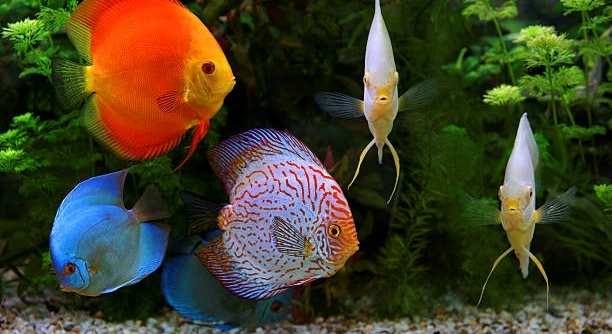
Have you ever noticed your discus acting differently after you’ve changed things around in their tank or added new decorations?
Discus fish can become stressed by tank rearrangements due to their sensitivity to environmental changes. Altering their habitat may trigger anxiety, territorial disruptions, and behavioral shifts, especially if the changes are sudden or frequent.
Learning how to manage these changes properly can help reduce stress and keep your discus comfortable in their aquatic home.
Why Discus React to Tank Rearrangements
Discus are sensitive fish that rely on stability in their surroundings. Any sudden rearrangement in their tank can make them feel threatened or unsafe. These changes may disrupt their sense of territory and cause increased hiding or erratic swimming. Their stress response often includes clamped fins, loss of appetite, or color fading. Since discus are naturally shy, even moving a plant or rock can unsettle them. They are slow to adapt and appreciate predictability in their habitat. It’s important to make environmental changes gradually. Leaving familiar structures in place and shifting only a few elements at a time can help. Using dim lighting and limiting noise around the tank after changes may also reduce their stress. Observing their behavior closely during and after any rearrangement helps you know what they’re comfortable with. The more consistent and calm their space remains, the more relaxed and healthy your discus will be.
Discus depend on routine. Disrupting it without care can affect their behavior and health. Always make changes thoughtfully.
After rearranging, it’s helpful to avoid additional changes for a while. Let your discus adjust fully before modifying anything else. This approach keeps their environment stable and gives them time to rebuild confidence in their surroundings.
How to Rearrange Without Stressing Them
Even if your discus need a cleaner tank or better layout, the process can be done in a way that limits their stress.
Start by planning your rearrangement in stages. Instead of moving everything at once, start with one section of the tank. Keep their favorite hiding spots or decorations in the same position, especially those they use daily. Avoid removing all the plants or structures, since having something familiar helps them feel secure. Try to complete any changes during their calm hours and avoid quick movements around the tank. After the rearrangement, reduce lighting temporarily and stay away from the tank for a bit. Feed them at their usual time to keep up the routine. Monitor their behavior for signs of stress, like hiding or refusing food. If those signs continue beyond a day or two, consider reversing some of the changes. Small, thoughtful updates over time are easier for discus to handle and can improve their tank experience without making them anxious.
Signs Your Discus Is Stressed After Rearranging
Discus may start hiding more than usual or swimming erratically after a tank rearrangement. You might also notice a loss of appetite, darker coloration, or clamped fins. These are all common signs of stress in discus fish.
Color changes are one of the first signs many owners notice. A normally vibrant discus may suddenly look pale or dark. This shift happens because stress affects blood flow and hormone levels. Erratic swimming, such as darting or hovering in corners, can also signal discomfort. Appetite changes are another clue—if they ignore food they usually enjoy, it may be linked to stress. Watch how they interact with their tankmates too. A stressed discus may become more aggressive or withdrawn, disturbing the group’s usual balance. Not all fish react the same way, but any sudden behavior change after a rearrangement deserves attention. It’s your cue to slow things down and reassess.
It’s important to stay calm if your discus show these signs. Don’t start rearranging the tank again to try to “fix” the situation. Doing so can increase stress. Instead, let them settle and observe from a distance. Provide quiet, low-light conditions, and don’t overfeed. Small signs of improvement usually start within a day or two. If they don’t, review what was changed and consider returning key items to their previous places. Try not to panic or rush them—discus need time to adjust. Being patient gives them the best chance to relax and feel safe again in their environment.
How Long It Takes for Them to Adjust
It usually takes discus a few days to adjust, depending on how drastic the changes were. Minor rearrangements might only cause stress for a day, while more significant changes could take up to a week or more.
The adjustment period varies depending on the fish’s temperament, tank size, and how familiar their environment remains. Discus that have been in the same setup for months will likely take longer to adapt to major changes than those used to frequent updates. Providing consistent lighting, keeping feeding times regular, and avoiding tank maintenance during this period can help. Don’t introduce new fish or make additional changes while they’re still adjusting. Patience is key—some discus will bounce back quickly, while others may stay cautious for several days. Watch their activity level, appetite, and social behavior. Subtle improvements like brighter colors or gentle swimming patterns usually mean they’re starting to feel at ease again.
When Rearranging Might Be Necessary
Sometimes rearranging the tank is needed, especially if aggression becomes a problem or if the layout isn’t working for water flow. You may also need to shift things for cleaning or to remove old or damaged decorations.
If fish are constantly chasing each other or not using certain areas of the tank, a rearrangement might improve things. Creating more hiding spots or open spaces can help reduce stress long-term, even if it causes short-term discomfort. Just be sure to plan ahead and make changes slowly.
How to Prepare Before Rearranging
Before making any changes, observe your discus closely and figure out what items they use the most. Keep those in place if possible. Plan your layout in advance so you don’t have to move things around repeatedly. Make any changes during the day when the fish are less active, and keep the process calm and quiet. Avoid stirring up too much debris while shifting items, as this can affect water quality. Use tools instead of hands when possible to avoid startling them. After rearranging, keep lights dim and minimize noise near the tank for the rest of the day.
Small Changes Are Easier
Minor updates—like moving one plant or adjusting a rock—are less stressful than changing the whole layout. Making small changes over time gives your discus a better chance to adjust without getting overwhelmed.
FAQ
How can I tell if my discus is stressed from tank changes?
Signs of stress include hiding more than usual, loss of appetite, faded colors, and clamped fins. Erratic swimming or aggression can also be indicators. If these behaviors appear shortly after rearranging the tank, it’s likely your discus is reacting to the changes.
What should I do if my discus seems stressed after rearranging?
First, stop making any further changes. Give your discus time to adjust by reducing light and noise around the tank. Avoid feeding too much, and maintain a calm environment. Observing quietly and allowing them space is the best way to help them recover.
How long does it take for discus to get used to a new tank layout?
Adjustment times vary, but minor changes often take one to two days, while major rearrangements can take up to a week or more. Patience is important; rushing or making multiple changes too quickly can prolong their stress.
Can rearranging the tank cause long-term problems for discus?
Repeated or drastic changes without proper care can lead to chronic stress, which weakens their immune system and may cause illness. Keeping changes gradual and minimizing disruption helps prevent long-term effects.
Is it better to rearrange everything at once or in stages?
Making changes in stages is better for discus. Moving one or two items at a time allows them to adjust gradually. This method reduces shock and helps them maintain a sense of familiarity with their environment.
Are some tank decorations safer to move than others?
Yes. Soft plants and loose decorations can usually be moved with less stress than large rocks or caves that discus use for shelter. Keeping favorite hiding spots stable is important to reduce anxiety.
How can I reduce stress during tank cleaning or rearranging?
Clean the tank in small sections and avoid disturbing the substrate too much. Use gentle water changes and keep lighting dim. Performing these tasks quietly and efficiently minimizes disruption for your discus.
Should I rearrange my discus tank regularly or keep it the same?
Discus prefer stability, so frequent rearranging is not recommended. However, occasional updates done carefully can improve their environment and reduce territorial conflicts. Avoid changing the layout too often.
Can adding new plants or decorations stress discus?
Introducing new items can cause stress if done suddenly. It’s best to quarantine new decorations and rinse them well before adding them to the tank. Adding items gradually helps discus get used to changes.
What role does water quality play when rearranging the tank?
Disturbing the substrate can release harmful gases and particles, affecting water quality. Monitoring water parameters closely before and after rearranging is important. Keeping the water clean supports discus health and reduces stress.
Is it helpful to rearrange the tank at night when discus are less active?
Making changes during dim lighting or at night can reduce immediate stress because discus are less active. However, avoid sudden loud noises or vibrations during this time to prevent startling them.
How can I encourage discus to explore their new environment after rearranging?
Keep feeding consistent and place food near new hiding spots to encourage exploration. Maintaining a calm environment and avoiding excessive disturbance allows discus to feel safe and gradually become curious about changes.
When should I consider reversing a tank rearrangement?
If your discus continue showing strong signs of stress—such as refusing food or hiding for more than a few days—reversing some changes may be necessary. Returning familiar decorations to their original spots can help restore comfort.
Do discus show stress differently than other fish species?
Yes, discus are generally more sensitive and slow to adapt. Their stress signs can be more subtle or prolonged compared to hardier species. Watching for small changes in behavior and color is important to catch stress early.
Can stress from rearranging cause disease in discus?
Stress weakens the immune system, making discus more vulnerable to infections like ich or fin rot. Avoiding sudden environmental changes and maintaining excellent water quality helps prevent disease outbreaks.
Is it normal for discus to hide more after rearranging?
Yes, increased hiding is a common stress response. They use hiding spots to feel secure. Over time, as they become comfortable, they should start exploring again.
How can I balance tank aesthetics with discus comfort?
Focus on creating a natural, stable environment with plenty of hiding spots and open swimming areas. Avoid frequent or drastic changes just to update appearance. Prioritize fish welfare over looks.
Can rearranging the tank affect discus breeding behavior?
Yes, sudden changes can interrupt breeding behavior or cause parents to abandon eggs. Stable conditions and minimal disturbances are important during breeding periods.
Should I consult a vet if my discus stay stressed after rearranging?
If stress signs persist beyond a week or if your discus show illness symptoms, consulting a fish health specialist is recommended. They can provide advice tailored to your specific situation.
Final Thoughts
Rearranging a discus tank can cause stress, but understanding how and why helps manage the situation. Discus fish are sensitive to changes in their environment, especially sudden or major adjustments. Their natural instincts make them seek stability and familiar surroundings, so when their tank is rearranged, it disrupts their sense of security. This disruption can lead to behaviors like hiding, loss of appetite, and changes in color. Recognizing these signs early is important to prevent long-lasting stress or health issues.
Being careful and thoughtful before making any changes in the tank is the best approach. Planning rearrangements slowly and keeping familiar elements in place helps discus feel more comfortable. Even small changes can affect them, so it’s better to make adjustments gradually. After rearranging, providing a calm environment with reduced light and noise supports the fish as they adapt. Patience is essential because discus need time to settle and regain their normal behaviors.
Keeping water quality stable and maintaining consistent feeding schedules also play a key role in helping discus recover after changes. Stress lowers their immune system, making them more vulnerable to illness. By minimizing disturbances and observing your discus closely during this time, you can help ensure their well-being. Rearranging should be done only when necessary, and always with care. When approached thoughtfully, tank rearrangement can improve your discus’s environment without causing lasting problems.

Hello,
If you enjoy the content that we create, please consider saying a "Thank You!" by leaving a tip.
Every little bit helps us continue crafting quality advice that supports the health, happiness, and well-being of pets around the world, for pets of all shapes, sizes, and species.
We really appreciate the kindness and support that you show us!