
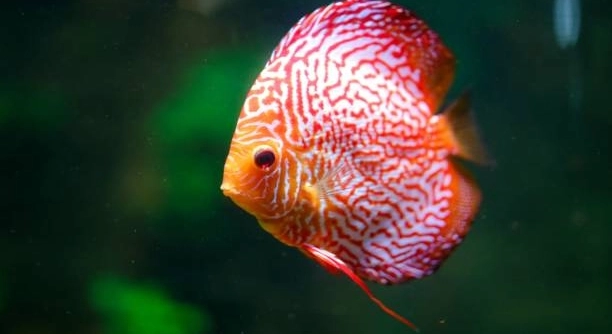
A well-balanced group of discus fish creates a peaceful and healthy aquarium environment. These colorful fish thrive best when certain traits are present in their social groups. Recognizing these characteristics can improve their overall wellbeing and display.
Seven key traits define a well-balanced discus fish group: stable hierarchy, compatible sizes, diverse age range, minimal aggression, balanced gender ratio, sufficient space, and consistent water conditions. These factors support social harmony and reduce stress among the fish.
Knowing these traits will help you maintain a happier discus community. This foundation is important for both beginners and experienced aquarists caring for these delicate fish.
Stable Hierarchy in Discus Groups
A stable hierarchy is essential for discus fish to live peacefully together. When the group has a clear social order, fish know their place, which reduces conflicts. Without this, constant fighting can cause stress and injuries. The dominant fish lead, while the others follow, keeping balance. This structure helps discus feel secure in their environment. It also allows for smoother feeding and swimming patterns. When new fish are added, it’s important to introduce them carefully to avoid disrupting the hierarchy. Maintaining stable conditions helps support this social order. Observing your discus regularly can show if the group’s hierarchy is working well or if adjustments are needed.
This social order prevents unnecessary fighting and keeps the group calm.
When the hierarchy is stable, discus fish spend less energy on fighting and more on growing and thriving. It also helps reduce stress, which can make the fish less likely to get sick. A peaceful tank means you get to enjoy their beauty without worrying about injuries or stress-related issues.
Compatible Sizes Among Discus Fish
Choosing discus fish of similar sizes is important for group balance.
Discus of different sizes may lead to bullying or competition. Larger fish can intimidate or harm smaller ones, making feeding and swimming harder for the little ones. Keeping discus close in size promotes fairness in the group. This prevents dominant behavior that can cause stress or injury. Size compatibility helps create a more relaxed and stable environment where all fish have equal access to food and space. It also supports a smoother social structure because fish feel safer among peers. When adding new discus, try to match their size with those already in the tank to avoid imbalance and tension. Consistent monitoring will help catch any size-related problems early before they affect the group’s wellbeing.
Diverse Age Range
A group with discus of different ages creates a natural social setting. Older fish often show leadership, while younger ones learn from them.
Having discus of various ages benefits the group by balancing energy levels and behavior. Older fish tend to be calmer and more established, reducing aggression. Younger fish bring activity and curiosity, which helps keep the tank lively. This mix supports social learning, as younger fish observe and adapt to the group’s hierarchy. Age diversity also encourages better breeding and care behaviors among discus. It’s important to introduce new, younger fish slowly to avoid overwhelming older, more established individuals. Overall, a mix of ages helps maintain a healthy, dynamic environment.
This age balance keeps discus engaged and reduces stress by supporting natural social roles within the group.
Minimal Aggression
Aggression in discus groups must be controlled for stability. Too much fighting leads to injuries and stress.
Discourage aggression by ensuring the tank has enough hiding places and space for fish to retreat. Providing a calm environment and avoiding overcrowding reduces tension. Regularly check water quality and temperature, as poor conditions can increase aggressive behavior. Feeding consistently and in appropriate amounts helps keep discus satisfied and less likely to compete violently. If one fish shows persistent aggression, separating it may be necessary to protect others. Maintaining minimal aggression supports health and well-being, helping discus display their natural beauty without harm or stress.
Balanced Gender Ratio
A balanced gender ratio helps reduce competition and stress in discus groups. Too many males can lead to increased aggression, while too few females might affect breeding behavior.
Keeping an equal number of males and females supports social harmony. It allows natural pair bonding and less conflict. Monitoring gender balance ensures the group stays peaceful and healthy.
Sufficient Space for Movement
Discus need enough space to swim freely and avoid stress. Crowded tanks increase aggression and weaken fish health.
Providing ample room lets discus establish territories and move comfortably. It encourages natural behavior and reduces conflicts. Proper tank size supports overall wellbeing and longevity.
Consistent Water Conditions
Stable water quality is key to discus health. Sudden changes cause stress and illness.
Maintaining consistent temperature, pH, and cleanliness creates a safe environment. Regular testing and water changes prevent harmful fluctuations. Consistency supports discus immune systems and promotes a balanced group.
FAQ
What is the ideal group size for discus fish?
The ideal group size is generally between 5 and 7 discus fish. This allows them to establish a natural social structure without overcrowding. Smaller groups can cause stress due to lack of social interaction, while larger groups might lead to increased aggression if the tank isn’t large enough. Keeping the right number helps discus feel secure and balanced.
How do I introduce new discus to an existing group?
Introduce new discus slowly and carefully. Quarantine new fish for at least two weeks to prevent disease spread. When adding them to the tank, use a separate container to let the existing group get used to the newcomers’ presence without direct contact. Gradually increase their interaction to avoid disrupting the established hierarchy.
What should I do if there is aggression in the group?
First, check the tank size and conditions. Overcrowding or poor water quality often causes aggression. Provide hiding spots and plants for fish to retreat. If aggression continues, isolate the aggressive fish temporarily. Sometimes rearranging tank decorations can help reset territories and reduce fights.
Can discus fish live with other species?
Discus are generally peaceful but sensitive. They can live with calm, non-aggressive species that thrive in similar water conditions, like certain tetras or dwarf cichlids. Avoid fin-nippers or overly active fish that stress discus. Compatibility depends on matching temperament and tank environment.
How often should I clean the tank?
Regular maintenance is crucial. Perform partial water changes of 25-30% weekly to keep water clean and stable. Avoid deep cleaning that disturbs beneficial bacteria. Consistent water quality helps discus stay healthy and reduces stress-related problems.
What is the best diet for discus fish?
Discus need a balanced diet rich in protein. Offer a mix of high-quality pellets, frozen or live foods like bloodworms, brine shrimp, and beef heart. Variety supports growth and color vibrancy. Feed small amounts multiple times daily to avoid overfeeding and maintain water quality.
How can I tell if my discus are healthy?
Healthy discus are active, have bright colors, and clear eyes. They swim smoothly and eat well. Signs of illness include faded colors, clamped fins, rapid breathing, or spots on the body. Early detection and treatment help prevent serious problems.
Do discus fish require special lighting?
Moderate lighting is best for discus. Too bright can stress them, while too dim can affect their behavior and color. Use adjustable lights and create shaded areas with plants or decorations. Proper lighting helps maintain natural rhythms and reduces stress.
How important is temperature control?
Discus prefer stable temperatures between 82°F and 86°F (28°C to 30°C). Sudden changes cause stress and weaken their immune system. Use a reliable heater and thermometer to maintain consistent warmth. This stability is essential for their wellbeing.
Can discus fish breed in a community tank?
Breeding discus in a community tank is possible but challenging. They prefer calm, private spaces to spawn. Other fish may stress the parents or eat the eggs. Providing separate breeding tanks or quiet areas improves success. Monitoring the group closely during breeding is important.
Final Thoughts
Creating a well-balanced discus fish group takes careful attention to several important factors. Each trait plays a key role in keeping the fish healthy and happy. When the group has a stable hierarchy, compatible sizes, and a balanced gender ratio, discus are more likely to live peacefully. This helps reduce stress and aggression, which can cause health problems. Also, having a diverse age range and sufficient space allows discus to behave naturally. These conditions encourage better social interactions and overall wellbeing in the tank. Paying close attention to these traits helps you build a strong foundation for a thriving discus community.
Maintaining consistent water conditions and controlling aggression are just as important. Water quality needs to be stable with the right temperature and pH to support discus health. Sudden changes or poor water quality can cause illness and stress, weakening the fish’s immune system. Providing hiding places and enough room also helps reduce fights and tension among fish. When aggression happens, taking quick action by separating aggressive fish or adjusting the environment can prevent injuries. Keeping aggression low supports a calmer tank where discus can grow and show their beautiful colors without worry.
Overall, a well-balanced discus group requires ongoing care and observation. You should regularly watch the fish to catch any signs of stress or illness early. Feeding a nutritious diet and doing routine tank maintenance also contribute to a healthy environment. While managing these traits takes effort, the result is a peaceful and vibrant discus group that brings beauty and life to your aquarium. By focusing on these key traits, you can enjoy a successful and rewarding experience with your discus fish.

Hello,
If you enjoy the content that we create, please consider saying a "Thank You!" by leaving a tip.
Every little bit helps us continue crafting quality advice that supports the health, happiness, and well-being of pets around the world, for pets of all shapes, sizes, and species.
We really appreciate the kindness and support that you show us!