
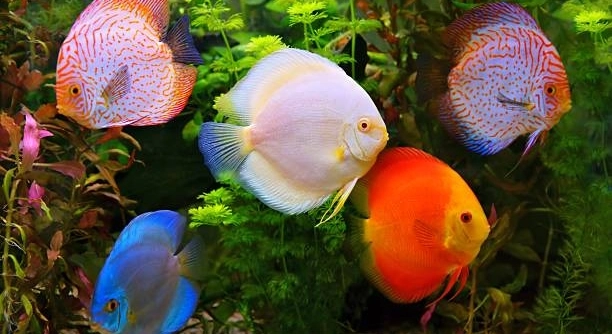
Do you have discus fish and wonder if they feel bored in bare tanks? Many fish owners consider the effects of tank decoration on their pets’ well-being. Understanding fish behavior can help improve their care.
Discus fish do show signs of stress and reduced activity in bare tanks, which suggests they may experience boredom or discomfort. Providing a more natural environment with plants and hiding spots supports their mental and physical health.
Learning about how tank setups influence discus fish behavior will help you create a happier and healthier home for them.
How Bare Tanks Affect Discus Fish Behavior
Discus fish naturally live in slow-moving waters with plenty of plants, roots, and hiding spots. In bare tanks, their environment lacks these natural features, which can make them feel exposed and stressed. Without places to hide, discus fish often stay near the bottom or corners, moving less than usual. This reduced activity is a sign that the tank setup might not be meeting their needs. Stress from a bare tank can weaken their immune system, making them more vulnerable to illness. Also, the lack of stimulation can cause them to become bored, leading to lethargy or unusual behaviors like pacing the tank glass. Adding decorations and live plants creates a more complex environment that encourages natural behavior, such as exploring and hiding. These changes can make discus fish feel safer and more comfortable, helping them to thrive.
Decorating a discus tank isn’t just for looks; it plays a key role in their health and behavior.
Creating a well-decorated tank helps discus fish display natural behaviors, reduces stress, and improves their overall well-being. A mix of plants, driftwood, and rocks mimics their natural habitat and keeps them engaged. This balanced environment also supports better water quality, which is crucial for discus health. By offering a stimulating and safe space, owners can see more active, vibrant fish.
Signs Your Discus Fish Are Bored or Stressed
When discus fish are bored or stressed, their behavior changes noticeably. They may hide excessively or appear listless. Sometimes they lose appetite or show signs of aggression toward tank mates. These signs indicate the tank environment needs improvement.
Stress and boredom can affect discus fish health deeply, but there are easy ways to help them feel better. Adding plants, varying tank decorations, or even rearranging the setup can provide new stimuli. Regular interaction, like feeding at different spots, also helps keep them engaged. Monitoring their behavior closely allows you to catch signs of distress early. A lively and enriched tank environment supports their mental health and reduces risks of disease, ensuring your discus fish live a longer, happier life.
Creating a Stimulating Environment for Discus Fish
Bare tanks lack stimulation, which can cause discus fish to become bored and stressed. Adding plants, decorations, and hiding spots helps replicate their natural habitat. This keeps them active and comfortable.
Adding live plants not only improves tank aesthetics but also benefits water quality by absorbing nitrates. Driftwood and rocks offer hiding places, reducing stress and encouraging natural behavior. Changing the layout occasionally introduces new exploration opportunities, preventing boredom. Avoid overcrowding the tank to maintain space for swimming. Lighting should mimic natural conditions, with a gentle day-night cycle to support their internal rhythms. A well-thought-out environment provides mental and physical enrichment, essential for discus fish well-being.
In addition to decorations, feeding routines can stimulate discus fish. Varying the types of food and feeding locations encourages natural foraging behavior. Providing live or frozen foods also enriches their diet and keeps them interested. Observing their response to changes helps identify what works best for your fish, allowing you to adjust the environment to their needs and preferences.
Tank Maintenance and Its Role in Fish Well-being
Clean water is crucial for discus fish health and mood. Regular water changes and filtration prevent toxin buildup.
Maintaining stable water parameters like temperature, pH, and hardness helps reduce stress in discus fish. Dirty or poorly filtered tanks cause discomfort, which can increase boredom or illness risks. Consistent maintenance routines ensure the environment stays suitable for your fish’s needs. Proper tank care directly affects their behavior, making them more active and healthy. Good water quality supports strong immune systems, reducing vulnerability to diseases. Neglecting maintenance can lead to sluggishness and abnormal behavior, signaling distress. Keeping the tank clean and stable is a simple yet powerful way to promote discus fish well-being and prevent boredom caused by environmental stress.
Social Needs of Discus Fish
Discus fish are social animals that thrive in groups. Keeping them alone can lead to stress and boredom.
A group of at least five discus helps them feel secure and encourages natural social behaviors like schooling and interaction, which reduce boredom and improve their mood.
How Tank Size Impacts Discus Behavior
A tank that is too small limits swimming space and exploration, causing frustration and boredom. Larger tanks offer more room for movement and decorations, which promotes mental stimulation and reduces stress. Providing adequate space supports healthier, more active discus fish, improving their overall quality of life.
Using Toys and Enrichment Tools
Adding toys or enrichment tools can help keep discus fish engaged. Items like floating plants or gentle water currents encourage exploration and play, which reduces boredom and promotes natural behaviors.
Do discus fish get bored in bare tanks?
Yes, discus fish can experience boredom in bare tanks. Without plants, hiding spots, or decorations, their environment becomes too simple and unstimulating. This can cause them to be less active, show stress signs, and lose interest in exploring. Providing a natural setup helps keep them mentally engaged.
How can I tell if my discus fish is bored?
Signs of boredom in discus fish include lethargy, hiding too much, reduced appetite, or repetitive swimming patterns like pacing along tank walls. They may also show increased aggression or stress-related health problems. Watching their behavior regularly helps you notice when something feels off.
What are the best tank decorations for discus fish?
Natural decorations such as live plants, driftwood, and smooth rocks work best. These mimic their natural habitat and offer places to hide or explore. Avoid sharp or rough items that could injure them. Floating plants and leaf litter can also create a comfortable, shaded environment.
Is it necessary to keep discus fish in groups?
Yes, discus fish are social and feel safer in groups of at least five. Group living encourages natural behaviors like schooling and reduces stress. Keeping a single discus can lead to loneliness, boredom, and unusual behaviors. A proper group size improves their happiness and health.
How often should I clean my discus tank?
Regular cleaning is essential. Partial water changes of about 25-30% every week help keep water quality high. Cleaning filters and removing uneaten food also prevents toxins from building up. Clean water reduces stress and keeps discus fish healthy and active.
Can tank size affect discus fish behavior?
Absolutely. Small tanks limit swimming space and exploration, which can cause frustration and boredom. A larger tank allows more room for natural activity and decorations. Ideally, a minimum of 55 gallons is recommended for a small group to support their needs.
Will adding toys help discus fish stay active?
Yes, adding gentle water currents or floating plants can stimulate curiosity and play. Toys don’t mean plastic items but rather environmental enrichment that encourages movement and exploration. This reduces boredom and supports their mental health.
Do discus fish prefer live or artificial plants?
Live plants are preferable because they improve water quality and look natural, making discus fish feel safer. Some hardy species like Amazon swords or Java ferns work well. Artificial plants can be used but should be soft and free of sharp edges.
What foods help keep discus fish stimulated?
Variety is key. Offering live, frozen, or high-quality pellets with different textures encourages natural foraging. Foods like bloodworms, brine shrimp, and beef heart can keep their interest and support their nutrition. Feeding in different tank areas also promotes activity.
How can I reduce stress in discus fish?
Create a stable environment with consistent water parameters and a natural setup. Avoid sudden changes in temperature or lighting. Provide hiding spots and keep tank mates peaceful. Stress reduction improves their behavior and lowers the risk of illness.
Is rearranging the tank beneficial or harmful?
Rearranging decorations occasionally can be good, as it introduces new exploration opportunities. However, avoid drastic changes too often, which can cause stress. Small changes keep the environment interesting without making the fish feel unsafe.
Can discus fish recognize their owners?
Discus fish can learn to recognize feeding routines and may respond to their owner’s presence. They don’t form bonds like mammals but can show curiosity and anticipation during feeding times, which makes caring for them more rewarding.
Discus fish are beautiful and sensitive creatures that need the right environment to feel comfortable and thrive. Bare tanks, while easy to clean and maintain, often lack the stimulation these fish require. Without plants, decorations, or hiding spots, discus fish may become bored or stressed. This can lead to less activity, poor health, and unusual behaviors. Creating a tank that closely resembles their natural habitat helps prevent these problems. Adding live plants, driftwood, and rocks gives them places to explore and hide. This encourages natural behaviors and keeps them more active and relaxed.
Water quality and tank size also play a big role in how discus fish feel. Clean water with stable temperature and pH levels supports their health and reduces stress. A tank that is too small limits their space for swimming and exploration, which can increase boredom. A larger tank provides room for decorations and for the fish to move freely, which helps them stay engaged. Regular tank maintenance, including partial water changes and filter cleaning, is important to keep the environment safe and comfortable for discus fish. Taking care of these basics can greatly improve their well-being.
Lastly, discus fish are social animals and do better when kept in groups. Being with other discus helps reduce stress and encourages natural schooling behavior. Alone, they may become lonely or anxious. It is also helpful to vary their feeding routine and food types to keep them interested. Changing the tank layout occasionally and providing gentle water movement can add more stimulation. Overall, thoughtful care and a well-planned tank setup create a happier, healthier environment for discus fish. These simple steps ensure your fish live comfortably and show their full beauty and personality.

Hello,
If you enjoy the content that we create, please consider saying a "Thank You!" by leaving a tip.
Every little bit helps us continue crafting quality advice that supports the health, happiness, and well-being of pets around the world, for pets of all shapes, sizes, and species.
We really appreciate the kindness and support that you show us!