
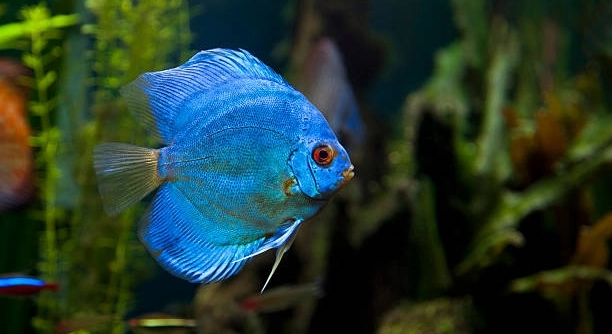
Many discus owners want to keep their fish healthy and thriving. Feeding habits play a big role in this. Knowing the best way to feed discus can make a difference in their wellbeing.
Feeding discus at the same time daily can promote a stable routine, reducing stress and improving digestion. Consistent feeding schedules help maintain water quality and support the fish’s natural biological rhythms.
Understanding feeding routines can improve your discus care and help you create a better environment for your fish. This article will guide you through key points to consider.
Why Consistency Matters in Feeding Discus
Feeding discus at the same time every day helps create a predictable environment for the fish. These fish thrive on routine because it reduces stress, which is important for their health. When discus know when to expect food, their digestive systems work more efficiently. This means they can absorb nutrients better and stay stronger. Consistent feeding also helps keep the tank cleaner. When fish are fed at random times or too much, leftover food can pollute the water, causing problems like algae growth or harmful bacteria. Maintaining a daily schedule makes it easier to monitor how much your discus eat and notice any changes in appetite or behavior early. Over time, a steady feeding routine supports not only their physical health but also their overall wellbeing. It helps maintain a balanced environment where discus can flourish without unnecessary stress or water quality issues.
Regular feeding reduces stress in discus by creating a predictable routine. Stress-free fish tend to be healthier and more active.
Many discus owners have seen improvements in their fish when they stick to a feeding schedule. Fish become more responsive and less shy, often swimming closer during feeding times. This can make tank maintenance easier and more enjoyable. When food is given regularly, it also helps prevent overfeeding or underfeeding. Overfeeding can lead to obesity or poor water quality, while underfeeding can weaken fish. A daily feeding time encourages natural behavior, mimicking how discus feed in the wild. Consistency is a simple step that creates a stable environment, helping your discus live longer and happier lives. It also allows you to observe their health more clearly, since changes in appetite or activity become easier to spot against a regular routine.
Potential Downsides of Strict Feeding Schedules
Some discus owners worry that feeding at the same time daily might limit flexibility or cause problems if the routine is disrupted. This is understandable because life can be unpredictable.
While consistency is important, discus can tolerate some variation if handled carefully. It is good to occasionally adjust feeding times slightly, especially when needed for your own schedule. However, big changes or missing feedings can cause stress or confusion for the fish.
It’s important to balance routine with flexibility. If you must change feeding times, do so gradually over a few days to let discus adjust. Also, watch your fish closely during these changes to make sure they are eating well and behaving normally. If stress or appetite loss occurs, try to return to the original schedule as soon as possible. Having a feeding plan is helpful but should not cause anxiety if life interrupts it occasionally. The key is to avoid long gaps or sudden, large shifts. A well-managed feeding routine supports discus health without being too strict or rigid.
How to Establish a Feeding Schedule for Discus
Start by choosing consistent times that fit your daily routine. Feed your discus once or twice a day at these set times.
Keep feeding portions small but frequent if you choose twice daily. This prevents overfeeding and keeps the water clean. Use a timer or reminder to avoid missing feedings.
Observe your discus during feeding. If they eat quickly and seem eager, the schedule works well. If they ignore food, consider adjusting the time or portion. Stick to the chosen times for at least two weeks to see steady results. Consistency is key to building a routine your discus will thrive on.
What to Do When Your Schedule is Interrupted
Occasional interruptions happen. When missing a feeding, try to feed as close to the usual time as possible the next day.
If you expect a longer gap, gradually reduce feeding amounts beforehand. This helps avoid leftover food and water quality issues. Watch your fish carefully during breaks. Stress signs or poor appetite mean you should return to the regular schedule quickly.
Keep backup food prepared for emergencies or changes in your plan. Having extra frozen or dried food ready can help maintain nutrition when feeding times shift. Flexibility with care ensures your discus stay healthy despite minor disruptions.
Feeding Quantity Matters
Feeding the right amount is just as important as feeding at the same time. Overfeeding can harm water quality and fish health.
Give only what your discus can eat within a few minutes. This prevents leftover food from polluting the tank and causing problems.
Signs Your Discus Are Ready for Feeding
Discuses usually show clear signs when they are hungry. They become more active and swim near the surface or front of the tank during feeding times. Watching these behaviors helps you keep track of their needs and adjust feeding if necessary.
Avoid Overfeeding Risks
Overfeeding can lead to poor water conditions and health problems. Keeping portions controlled supports discus wellbeing and a cleaner tank environment.
How often should I feed my discus fish?
Discus fish should be fed once or twice daily, depending on their age and appetite. Younger discus may require two or three smaller meals a day, while adult discus usually do well with one or two feedings. Feeding at consistent times helps them adjust their digestion and keeps the tank clean. Avoid overfeeding by offering only what they can consume in about 3-5 minutes.
Is it okay to feed discus at irregular times?
Feeding discus at irregular times can cause stress and affect their digestion. These fish benefit from a routine, as it mimics their natural feeding habits and supports their biological clock. While occasional changes won’t cause harm, frequent disruptions might lead to reduced appetite or increased aggression. Try to maintain a steady schedule to promote healthy behavior and water quality.
What should I do if I miss a feeding?
Missing one feeding isn’t usually a problem. Discus can handle short fasting periods without issue. When you miss a feeding, offer food at the usual time the next day and observe their reaction. If you miss multiple feedings, reduce the amount slightly afterward to avoid overfeeding when you resume. Always watch for signs of stress or appetite loss.
Can I feed my discus different types of food at the same time daily?
Yes, discus benefit from variety in their diet. Rotating between flakes, pellets, frozen bloodworms, and brine shrimp provides balanced nutrition. Offering different foods at the same feeding time keeps their diet interesting and supports overall health. Just be sure to monitor how much they eat and remove uneaten food quickly.
How much food should I give my discus at each feeding?
Feed only what your discus can consume within 3 to 5 minutes. Overfeeding leads to leftover food, which pollutes the tank and harms water quality. Underfeeding can weaken fish. Watch your discus during feeding and adjust portions to match their appetite. Usually, small amounts several times a day work better than one large feeding.
Will feeding at the same time daily reduce stress in discus?
Yes, a regular feeding schedule creates a calm, predictable environment for discus. They learn when to expect food, which lowers stress levels and helps them feel secure. Stress reduction is important for preventing illness and promoting vibrant colors. Consistent feeding times also help with tank maintenance and monitoring fish health.
Is it okay to feed discus at night or only during the day?
Discus are naturally more active during the day, so feeding in the morning and early evening usually works best. Feeding at night may disrupt their sleep cycle and stress them. Stick to daytime feedings to align with their natural rhythm. If you need to feed late, try to keep it close to their regular schedule.
How can I tell if my discus is overfed or underfed?
Signs of overfeeding include cloudy water, leftover food, and fat or lethargic fish. Underfed discus may appear thin, weak, or show reduced activity. Watch how your discus behaves during feeding and adjust portions accordingly. Healthy discus have good appetite, bright colors, and active swimming behavior.
What should I do if my discus refuses to eat during the usual feeding time?
If your discus ignores food, it could be due to stress, illness, or water quality issues. Check tank conditions like temperature and cleanliness. Try offering different foods or feeding at a slightly different time. If loss of appetite continues, consider consulting a vet or experienced hobbyist to rule out health problems.
Can feeding discus at the same time daily improve their growth?
Feeding on a regular schedule supports efficient digestion and nutrient absorption, which can promote steady growth. When discus have predictable meals, their bodies process food better and reduce stress-related issues. While growth depends on diet quality, maintaining feeding times helps ensure your fish reach their full potential naturally.
Feeding discus at the same time every day is a good practice that helps keep the fish healthy and stress-free. These fish are sensitive and do better when they have a predictable routine. When discus know when to expect food, their bodies adjust, making digestion smoother. A steady feeding schedule also helps maintain water quality because you can avoid overfeeding and reduce leftover food in the tank. This keeps the environment cleaner and safer for the fish to live in.
Sticking to a feeding routine does not mean you have to be rigid all the time. Life can get busy, and sometimes you may need to change the feeding time. This is okay as long as the changes are small and happen gradually. If you must miss a feeding or change the time suddenly, watch your fish closely for signs of stress or reduced appetite. Discus can handle occasional changes, but too many disruptions can cause problems. The goal is to create a balance that works for both you and your fish, so they stay healthy and comfortable.
Overall, feeding discus at the same time daily supports their wellbeing by reducing stress, improving digestion, and helping you manage tank cleanliness. It also allows you to observe your fish’s health more easily since changes in behavior or appetite become more noticeable against a regular schedule. With a bit of attention and care, you can create a feeding routine that keeps your discus happy and thriving for years. This simple step can make a big difference in your fishkeeping experience and the life of your discus.

Hello,
If you enjoy the content that we create, please consider saying a "Thank You!" by leaving a tip.
Every little bit helps us continue crafting quality advice that supports the health, happiness, and well-being of pets around the world, for pets of all shapes, sizes, and species.
We really appreciate the kindness and support that you show us!