
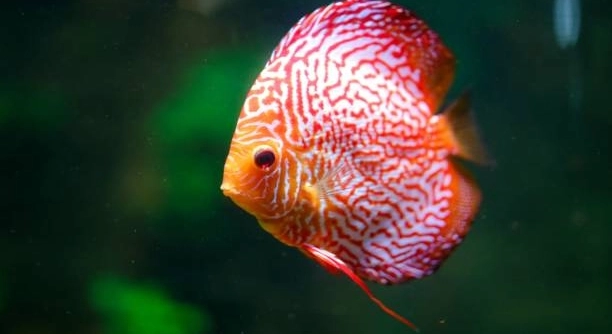
Do your discus fish seem anxious, hiding behind plants or showing dull colors despite your best efforts to care for them?
The most effective way to calm your discus fish is by enhancing their environment with stress-reducing elements. These can include proper tank mates, dim lighting, natural decorations, and stable water conditions that promote a sense of safety and comfort.
From gentle lighting changes to smart tank additions, each step can make a big difference in how your discus fish feel and behave.
Add More Hiding Spots
Discus fish often feel safest when they have places to hide. Adding caves, driftwood, and tall plants can help reduce their stress. In the wild, they rely on dense underwater areas for shelter, so creating a similar environment in your tank is helpful. Choose soft-edged decorations and position them thoughtfully, allowing the fish to move easily without getting stuck. Live plants like Amazon swords and Java ferns work well because they create coverage without taking up too much space. This setup not only calms the discus fish but also adds a natural look to your aquarium.
Many discus fish owners notice improved behavior once hiding spots are added. Fish become less skittish and display brighter colors.
A calm discus is a healthier discus. With added places to rest and feel secure, they are less likely to act aggressively or hide constantly. These changes can support their immune systems and reduce stress-related illnesses.
Keep the Lighting Soft
Bright lights can startle discus fish and cause unnecessary stress. Use adjustable lighting to mimic their natural habitat.
Dim lighting can help discus fish feel safer and more comfortable in their tank. In the wild, they live in shaded waters with gentle light filtering through plants. By using low-intensity lighting or covering part of the tank with floating plants, you can recreate this effect. Avoid sudden light changes, as it can frighten the fish and make them hide. Timed lights with gradual on/off settings are a good way to manage brightness. When light levels are softer, discus fish are more likely to come out, swim freely, and show off their colors. Reducing stress through lighting can improve their appetite, help them adjust faster to changes, and promote overall well-being. This simple adjustment to your setup can make a big impact without needing expensive equipment.
Maintain Consistent Water Conditions
Discus fish are sensitive to changes in water quality. Sudden shifts in temperature, pH, or hardness can cause stress and lead to health issues. Keeping conditions steady helps them feel secure and behave more calmly.
Use a reliable heater and thermometer to keep the temperature between 82°F and 86°F. Discus fish also prefer soft, slightly acidic water with a pH between 6.0 and 7.0. Test your water regularly and perform small, consistent water changes—around 20–25% weekly. Avoid large, sudden changes, as these can disturb the fish and undo progress. Consistency is more important than perfection. Even if your tank isn’t exactly at ideal levels, stable conditions are better than frequent adjustments. A clean filter, gentle water flow, and proper oxygenation also support a calm and healthy tank environment.
Over time, stable water builds trust in their surroundings. Discus fish begin to associate their environment with safety, which can reduce hiding behavior and nervous swimming. Fish that are calm are more likely to interact with each other peacefully, eat on schedule, and display healthy coloring. If something feels off in the tank, checking water parameters is a smart first step. Keeping conditions consistent isn’t just about numbers—it’s about providing a steady space where discus feel secure.
Choose Peaceful Tank Mates
Not all fish get along with discus. Fast or aggressive tank mates can cause them to feel threatened or compete for food. Choose calm, slow-moving species that won’t stress or startle them.
Good tank mates for discus include cardinal tetras, rummy nose tetras, and certain types of peaceful dwarf cichlids. Corydoras catfish also make good companions, as they stay near the bottom and don’t bother the discus. Avoid fish that nip fins or dart around quickly, such as barbs or some danios. It’s best to keep tank mates that thrive in similar water conditions. Also, avoid overcrowding—too many fish can lead to tension and water problems. Watch for signs of stress, like hiding, darkened color, or loss of appetite. If these appear after adding new tank mates, consider separating them. Choosing the right companions can improve your discus fish’s behavior, making them feel more at ease in the tank.
Use Gentle Filtration
Discus fish prefer calm water. Strong currents can make them nervous and cause them to hide. Use a sponge filter or a canister filter with an adjustable flow to keep the water gentle and steady.
Too much movement stresses them out. A soft, slow current helps discus swim comfortably and rest when needed.
Keep the Tank Quiet
Loud noises and sudden vibrations around the tank can disturb discus fish. Placing the tank in a low-traffic area helps reduce their stress. Keep the tank away from speakers, slamming doors, or heavy foot traffic. If they’re exposed to too much commotion, discus fish may become shy or stop eating. Calm surroundings help them feel safe.
Avoid Overhandling
Handling discus fish too often can stress them. Limit netting or moving them unless it’s absolutely necessary.
FAQ
How do I know if my discus fish are stressed?
Stressed discus fish may hide often, darken in color, or stop eating. You might also see them breathing heavily or swimming erratically. They can become skittish when you approach the tank or show less interest in their surroundings. Stress also makes them more prone to illness. If you notice clamped fins, pale colors, or general lethargy, it’s a sign that something is off in their environment. Look at things like water quality, temperature, tank mates, or noise levels. Fixing the issue quickly can help them recover before health problems set in.
What water temperature is best for keeping discus calm?
Discus fish feel best in warm water. The ideal temperature range is between 82°F and 86°F (28°C to 30°C). Lower temperatures can slow them down and weaken their immune systems. If the water drops too much, even by just a few degrees, they might become more anxious or stop eating. Always use a good-quality heater and double-check the temperature with a separate thermometer. It’s also important to avoid sudden drops, like during a water change. Keep the new water close to the same temperature to avoid shocking the fish.
Can discus live with other fish without getting stressed?
Yes, but only with calm, compatible tank mates. Discus do best with peaceful species that won’t nip fins or move too quickly. Good choices include rummy nose tetras, cardinal tetras, and Corydoras catfish. Avoid fish like barbs or aggressive cichlids that might bully or chase them. Overcrowding the tank can also cause stress, even if the fish are peaceful. Try to keep the group balanced and make sure everyone has space. Watching how your discus act after new fish are added is important. If they start hiding more or eat less, it may be time to rethink your stocking choices.
How often should I do water changes for discus?
Small, regular water changes are better than big ones spaced far apart. Try changing about 20% to 25% of the water once a week. This helps keep the water clean and stable. Discus are very sensitive to sudden shifts, so always match the new water’s temperature and pH as closely as possible. If the tank is heavily stocked or you’re feeding often, more frequent changes may be needed. Clean water helps reduce stress and supports the fish’s immune system. Skipping water changes or doing them too rarely can lead to spikes in ammonia or nitrate, which can stress or harm the fish.
Why is soft lighting better for discus fish?
Discus feel safer in dim light. Bright lights can make them feel exposed and vulnerable, especially if there aren’t many hiding spots. In the wild, they live in shaded waters where sunlight is filtered through plants and trees. Mimicking this environment with soft lighting helps them relax. You can use floating plants to break up the light or install a dimmable aquarium light. Try to avoid sudden light changes too. A timer with a slow fade-in and fade-out function is helpful. When lighting feels gentle, discus fish are more likely to swim out in the open and show their natural colors.
Should I rearrange tank decor often?
It’s best to keep things consistent. Discus fish rely on a stable environment. Moving decorations, plants, or hiding spots too often can make them feel insecure. They learn where they feel safe, and frequent changes can break that sense of safety. Only rearrange the tank if it’s necessary, such as removing sharp items or making room for new fish. If you do make changes, try doing it gradually, so they have time to adjust. Once they feel settled, they’re less likely to hide and more likely to explore.
Do discus need a quiet room to feel calm?
Yes, a peaceful space makes a big difference. Loud sounds, sudden vibrations, or constant movement around the tank can make discus feel uneasy. Placing their tank in a calm room helps them feel safe. Avoid putting the tank near doors that slam, noisy electronics, or heavy foot traffic. They are very alert to their surroundings and may hide or act skittish when there’s too much noise. A quiet environment, along with soft lighting and good water quality, creates a space where discus can thrive.
Final Thoughts
Caring for discus fish can feel a bit demanding at first, but once you understand their needs, it becomes easier. These fish are sensitive, and they react quickly to changes in their surroundings. That’s why things like gentle lighting, soft water movement, and steady water conditions make such a big difference. By creating a peaceful, stable tank, you give them the chance to feel safe. When discus feel secure, they behave more naturally—they swim with ease, eat regularly, and show off their vibrant colors. Even small changes in their environment can impact their mood, so being mindful of their comfort is important.
Adding calm tank mates, hiding spots, and keeping noise low are simple ways to reduce stress. You don’t need to spend a lot or make big changes overnight. In fact, slow and steady improvements are usually best. Whether it’s switching to a softer light or moving the tank to a quieter spot, each step helps your discus feel more at home. Consistency is key—routines help the fish know what to expect, and that predictability is comforting to them. Watching for signs of stress like hiding or color changes can help you spot problems early. That way, you can fix them before they lead to bigger issues.
Keeping discus fish calm isn’t about doing everything perfectly. It’s more about paying attention and being gentle with changes. The more time you spend observing their behavior, the more you’ll learn what works best in your tank. Every tank setup is a little different, so what helps in one tank might not apply exactly in another. Still, the basics stay the same: clean water, peaceful surroundings, and steady care. These fish respond well to patience. With time, you’ll notice your discus becoming more confident and comfortable in their space. A calm discus is a healthy discus, and even though they take some effort, the results are worth it. Their graceful swimming and bright colors bring a calm, beautiful presence to any room.

Hello,
If you enjoy the content that we create, please consider saying a "Thank You!" by leaving a tip.
Every little bit helps us continue crafting quality advice that supports the health, happiness, and well-being of pets around the world, for pets of all shapes, sizes, and species.
We really appreciate the kindness and support that you show us!