
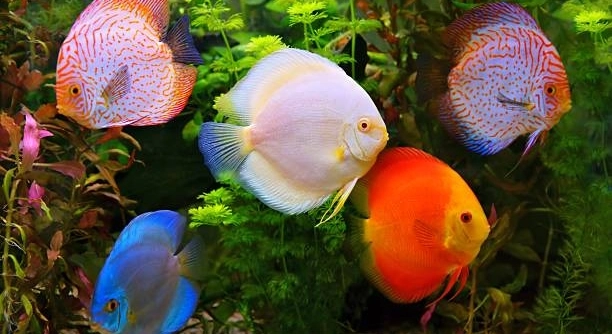
Discus fish are admired for their vibrant colors and graceful presence in aquariums. Many new hobbyists are attracted to their beauty but may hesitate due to concerns about their care requirements and sensitivity in home tanks.
Discus fish are generally more delicate than many other freshwater species, requiring stable water conditions, careful feeding, and attentive maintenance. Their sensitivity can pose challenges for beginners who are not yet familiar with managing aquarium parameters consistently.
Understanding these challenges can help new hobbyists make informed decisions and provide the best environment for discus fish to thrive and grow healthy over time.
Understanding Discus Fish Fragility
Discus fish require very stable water conditions to stay healthy. Their natural habitat is warm, soft, and slightly acidic water, so replicating this in a tank is important. Sudden changes in temperature or water chemistry can stress them easily. Feeding discus also demands care. They thrive on a varied diet but can be picky eaters. Overfeeding or poor-quality food can lead to health problems. Their sensitivity means regular water testing and maintenance are necessary. Unlike some hardy fish, discus do not tolerate neglect or rapid changes well. Setting up a proper filtration system and keeping up with weekly water changes are key steps. Many beginners might find these needs demanding at first. However, with patience and attention, discus can adapt and display their vibrant colors. They also prefer calm environments without too much noise or aggressive tank mates, which can cause additional stress.
Maintaining consistency in tank care is crucial to prevent stress-related illnesses in discus.
Providing a stable environment is the foundation for keeping discus healthy and reducing their fragility.
Preparing Your Aquarium for Discus
Before introducing discus fish, it is essential to prepare the aquarium carefully. First, the tank should be cycled to establish beneficial bacteria that break down waste. This process can take several weeks but ensures a safe environment for the fish. Water temperature must be kept between 82 and 86 degrees Fahrenheit, which is warmer than many tropical tanks. Using a heater with accurate control is important. The water should be soft with low hardness and a pH around 6.0 to 7.0. Adding plants can help improve water quality and provide hiding spots, reducing stress for the fish. Filtration needs to be strong but gentle, avoiding strong currents that discus dislike. Regular water testing is necessary to catch any changes early. Taking these steps before adding discus fish helps reduce their vulnerability and improves their chances of thriving in captivity. These preparations make the aquarium environment more stable and comfortable for discus fish, supporting their long-term health.
Common Challenges with Discus Care
Discus fish are sensitive to water quality and stress, which makes them prone to illness. Their delicate nature requires constant attention to detail in tank maintenance. New hobbyists often face difficulties managing these factors effectively.
Water parameters must remain stable to prevent common diseases like ich and fin rot. Frequent water changes are essential to keep ammonia and nitrate levels low. Stress from poor tank conditions or aggressive tank mates weakens their immune system, increasing vulnerability to infections. Feeding a balanced diet with high-quality food also supports their health but can be challenging due to their selective eating habits. Beginners may feel overwhelmed by these needs, but consistent care improves success.
Stress impacts discus fish more than many other species. Ensuring a quiet, stable environment with peaceful tank mates helps minimize this stress and promotes well-being. Monitoring fish behavior regularly can alert caretakers to early signs of trouble, allowing timely intervention.
Tips for New Hobbyists
Start with a fully cycled tank to reduce sudden water quality changes. Use a reliable heater and monitor water temperature daily to maintain the ideal warmth. Keep water soft and slightly acidic by testing hardness and pH regularly. Choose peaceful fish species if adding tank mates, as discus prefer calm surroundings. Feed small amounts multiple times a day with a variety of foods, including frozen and high-quality pellets. Avoid overcrowding the tank to reduce stress and maintain clean water conditions. Regular maintenance and observation are key.
Patience is important. Discus may take time to adjust and show their best colors. Avoid rapid changes in water or diet, and don’t rush the acclimation process. Learning to read discus behavior helps detect illness early. Joining online forums or local aquarium groups can provide valuable advice and support. Consistent effort and attention allow new hobbyists to enjoy keeping discus despite their delicate nature.
Signs Your Discus Needs Attention
Discus fish often show early signs of stress through changes in behavior. Reduced appetite, hiding more than usual, or unusual swimming patterns can indicate problems.
Physical signs such as faded colors, torn fins, or white spots are clear indicators of illness. Early detection is key to preventing serious health issues.
When to Seek Help
If water parameters are stable but the discus continues to show distress or illness signs, consulting a veterinarian or experienced aquarist is advisable. Professional advice can prevent loss.
The Importance of Patience
Discus require time to adapt and settle in a new tank environment. Rushing changes often leads to setbacks and stress-related health issues.
Avoiding Common Mistakes
Overfeeding and neglecting water quality checks are common errors that worsen discus fragility. Consistent care routines reduce risks significantly.
FAQ
Are discus fish suitable for beginners?
Discus fish are not usually recommended for beginners due to their delicate nature. They need stable water conditions, proper temperature, and a careful feeding routine. Beginners may find these needs demanding until they gain experience in aquarium maintenance. However, with patience and dedication, keeping discus is possible.
What water parameters are best for discus fish?
Discus thrive in warm water between 82°F and 86°F. The water should be soft and slightly acidic, with a pH ranging from 6.0 to 7.0. Maintaining low levels of ammonia, nitrites, and nitrates is critical. Regular testing and water changes help keep these parameters stable.
How often should I change the water?
Frequent water changes are necessary to maintain water quality. Changing about 25-50% of the tank water once a week is common practice. More frequent changes may be needed if the tank is heavily stocked or if water quality declines.
What do discus fish eat?
Discus fish need a varied diet that includes high-quality pellets, frozen foods like bloodworms, and occasional live foods. They can be picky eaters, so it is important to introduce foods gradually and observe their preferences. Overfeeding should be avoided to prevent water quality problems.
Can discus fish live with other fish?
Discus prefer peaceful tank mates that tolerate warm water conditions. Good companions include tetras, corydoras, and small peaceful catfish. Aggressive or fast-moving fish should be avoided, as they can stress discus and compete for food.
How big should my discus tank be?
A minimum tank size of 50 gallons is recommended for a small group of discus, as they prefer to live in schools of at least five or six. Larger tanks provide better water stability and reduce stress by offering more swimming space.
Why are my discus losing color?
Loss of color can be a sign of stress, illness, or poor water quality. It often indicates that water parameters are not stable or that the fish are not eating well. Improving tank conditions and diet can help restore their vibrant colors.
What illnesses commonly affect discus fish?
Common diseases include ich, fin rot, and internal parasites. These usually result from stress or poor water quality. Early detection and prompt treatment with appropriate medications improve recovery chances.
How do I acclimate new discus to my tank?
Acclimation should be slow and gentle. Float the sealed bag in the tank water for about 20-30 minutes to equalize temperature. Then gradually add small amounts of tank water into the bag over the next hour before releasing the fish. This reduces shock and stress.
How long do discus fish live?
With proper care, discus fish can live 10 years or more. Their lifespan depends heavily on maintaining stable water conditions, a balanced diet, and minimizing stress.
Is special equipment needed for discus care?
Yes, a reliable heater and good filtration system are essential. Many keepers also use water softeners or reverse osmosis water to achieve ideal softness. Testing kits for pH, ammonia, nitrites, and nitrates are important for monitoring water quality.
How can I reduce discus fish stress?
Keep the tank environment calm, avoid sudden changes, and maintain consistent routines. Use peaceful tank mates and provide hiding spaces with plants or decorations. Regular observation helps catch problems early before stress worsens.
Are discus fish easy to breed?
Breeding discus can be difficult due to their sensitivity and need for perfect conditions. They require clean water, specific temperature, and low stress. Breeders often separate pairs in dedicated tanks to increase success.
Can I keep discus fish without plants?
While discus do not strictly need plants, live plants help improve water quality and provide shelter, which reduces stress. Plants also create a more natural environment that benefits discus behavior and health.
What is the best way to feed discus fry?
Fry need very small, frequent feedings with specialized foods such as newly hatched brine shrimp or powdered fry food. Water quality must be carefully monitored to prevent buildup of waste and maintain a healthy environment for young fish.
How do I know if my discus is sick?
Signs include loss of appetite, erratic swimming, hiding, clamped fins, faded colors, or visible spots and wounds. Early detection and isolation of sick fish can prevent disease spread and improve treatment effectiveness.
This FAQ addresses key concerns for those considering or currently keeping discus fish. Their care requires attention and consistency but rewarding results come with experience.
Final Thoughts
Discus fish are beautiful and captivating pets, but they do require more care than many other freshwater fish. Their fragility comes from their sensitivity to water quality, temperature, and stress. For new hobbyists, this means that success with discus depends heavily on learning how to maintain stable tank conditions and provide a consistent routine. The need for regular water changes, careful feeding, and gentle handling cannot be overstated. These requirements make discus less forgiving for beginners who might not yet have experience managing an aquarium with such precision.
Despite their delicate nature, discus fish can thrive in a well-maintained home aquarium. They reward patience and attention with vibrant colors and graceful behavior. Building knowledge about their specific needs, such as ideal water parameters and compatible tank mates, is essential. Gradually developing skills in water testing, tank cycling, and acclimation helps reduce the risk of health problems. New hobbyists should be prepared to invest time and effort in setting up the right environment before adding discus. Taking these steps can help minimize common challenges and promote a healthy, stable aquarium.
In conclusion, discus fish are not the easiest species to care for, but they are not impossible to keep for those willing to learn and stay consistent. Their fragility requires a careful approach but does not mean they are unsuitable for beginners who take the time to understand their needs. With dedication and steady care, discus can become a rewarding and lasting part of an aquarium. By focusing on stability, patience, and proper maintenance, new hobbyists can enjoy the beauty and uniqueness of discus fish while gaining valuable experience in advanced fishkeeping.

Hello,
If you enjoy the content that we create, please consider saying a "Thank You!" by leaving a tip.
Every little bit helps us continue crafting quality advice that supports the health, happiness, and well-being of pets around the world, for pets of all shapes, sizes, and species.
We really appreciate the kindness and support that you show us!