
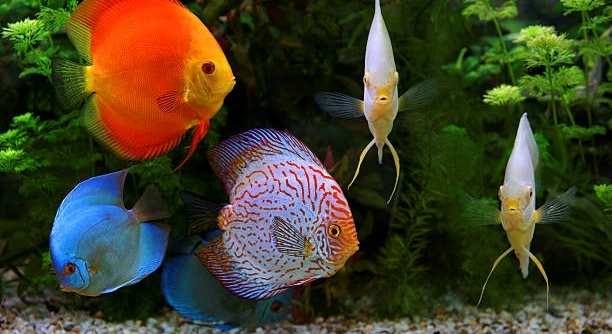
Discus fish are known for their beauty and calm demeanor. Many aquarists wonder if these delicate fish can live peacefully with others in a community tank. Understanding their behavior is important before setting up a shared aquarium.
Discus can be kept in a community tank under specific conditions, including compatible tank mates, stable water parameters, and adequate space. Proper care and monitoring are essential to ensure peaceful coexistence without stress or aggression.
Learning about the right companions and tank setup will help you create a harmonious environment for your discus fish and other species. This article will guide you through the key points to consider for a successful community tank.
Understanding Discus Behavior in a Community Tank
Discus fish are naturally peaceful and shy. They prefer calm environments without too much noise or activity. In a community tank, their behavior depends a lot on the fish they share the space with. Aggressive or overly active tank mates can stress them out quickly. Discus also like to swim in groups of their own kind, which helps reduce anxiety. When kept with peaceful fish that enjoy similar water conditions, discus tend to thrive and show their best colors. However, sudden changes in the tank, like new fish additions or shifts in water temperature, can make them nervous or hide. Knowing these small details about their nature helps avoid unnecessary stress. It’s also important to provide plenty of hiding spots and gentle water flow, as discus prefer slower-moving water. Overall, a calm, well-planned tank encourages peaceful behavior from discus in a community setup.
Choosing peaceful, non-aggressive species as tank mates is key to a calm community tank.
Proper planning of tank mates and environment supports a stress-free life for discus fish and helps maintain harmony in the aquarium.
Ideal Tank Conditions for Discus in a Community Setup
Maintaining the right water parameters is crucial for discus health. They need warm water, typically between 82°F and 86°F, with soft, slightly acidic conditions. The pH should stay around 6.0 to 7.0. Clean, well-filtered water is essential because discus are sensitive to poor water quality. Regular water changes keep toxins low and oxygen high. The tank size matters, too; discus need plenty of room to swim freely, ideally 50 gallons or more for a small group. Adding plants and driftwood can help create natural hiding spots and reduce stress. When other fish share the tank, their needs should also match the discus requirements. Keeping the water stable without sudden shifts will reduce disease risk and encourage peaceful interactions. Proper tank setup is one of the best ways to ensure discus stay comfortable and content alongside other species.
A well-maintained tank is vital for discus wellbeing.
Good water quality and space ensure discus remain healthy and calm with community fish.
Choosing Compatible Tank Mates
Not all fish get along well with discus. Avoid aggressive or fast swimmers that may outcompete discus for food. Good tank mates include tetras, corydoras catfish, and peaceful dwarf cichlids. These species share similar water preferences and won’t stress discus out.
Tetras are small, calm fish that swim in schools, creating a peaceful atmosphere. Corydoras catfish stay near the bottom and are gentle, which helps avoid conflict with discus. Peaceful dwarf cichlids are larger but tend to keep to themselves, making them suitable companions. Avoid fin-nippers or overly active fish, as they can harm discus or make them hide too much. Picking compatible species helps maintain balance and reduces stress in the tank.
When choosing tank mates, consider fish that thrive in similar warm, soft, and slightly acidic water. Compatibility in behavior and environment helps discus feel safe and secure, encouraging healthy interactions and reducing territorial disputes.
Feeding Habits and Community Tank Harmony
Discus fish have specific dietary needs that differ from many community fish. They prefer protein-rich foods like bloodworms, brine shrimp, and specially formulated pellets. Feeding them properly is important to maintain their health.
Other fish in the tank often have different feeding schedules or preferences, which can create challenges. Some species may eat faster or more aggressively, leaving discus without enough food. To avoid this, it’s helpful to feed discus separately or provide food in multiple spots. This ensures all fish get enough nutrition without competition. Monitoring feeding times and behaviors helps keep the community peaceful and prevents stress related to food.
Balancing the feeding needs of discus and other tank mates requires careful attention. A well-managed feeding routine supports harmony and health for all fish in the community tank.
Tank Setup Tips for Discus
Discus need plenty of space and clean water to stay healthy. A large tank with gentle water flow is best. Adding plants and hiding spots helps them feel safe.
Keep the tank well-filtered and stable. Frequent water changes are necessary to maintain good water quality.
Managing Stress in a Community Tank
Stress can harm discus and cause health issues. Avoid sudden changes in water temperature, lighting, or tank mates. Keep noise and disturbances to a minimum. Watch for signs like hiding or loss of color, which indicate stress. Address problems quickly to help discus settle comfortably.
Common Signs of Aggression
Aggressive fish chase or nip at discus. Watch for damaged fins or constant chasing. If aggression is spotted, separate the fish quickly to avoid injury or stress.
Cleaning and Maintenance Routine
Regular tank cleaning keeps water safe. Change 20-30% of water weekly and remove leftover food and waste. Keeping the tank clean reduces disease risks and helps discus thrive peacefully.
FAQ
Can discus live with other fish peacefully?
Yes, discus can live peacefully with other fish if the tank mates are chosen carefully. They do best with calm, non-aggressive species that share similar water needs. Proper tank conditions and enough space also play a big role in keeping peace.
What are the best tank mates for discus?
Small tetras, peaceful catfish like corydoras, and dwarf cichlids are some of the best companions for discus. These fish don’t bother discus and usually keep to themselves. Avoid fast or aggressive fish that could stress or harm discus.
How often should I feed discus in a community tank?
Discus usually need to be fed twice a day. Feeding smaller amounts several times a day helps maintain their health. It’s important to make sure they get enough food without letting uneaten food pollute the tank.
How do I prevent discus from getting stressed?
Keep water conditions stable, avoid sudden changes, and reduce loud noises near the tank. Providing hiding places and keeping compatible fish together helps discus feel safe. Watch their behavior for signs of stress like hiding or dull colors.
Can discus tolerate cooler water with other community fish?
Discus prefer warmer water around 82°F to 86°F. Most community fish can tolerate this range, but some prefer cooler temperatures. Choose tank mates that can live comfortably in warm water to avoid health problems.
What water conditions are best for discus in a community tank?
Soft, slightly acidic water with a pH between 6.0 and 7.0 is ideal. Temperature should stay stable between 82°F and 86°F. Good filtration and regular water changes keep water clean and safe.
How large should my community tank be for discus?
A tank of at least 50 gallons is recommended for a small group of discus. Larger tanks provide more space, reduce stress, and allow for better water quality, which benefits all the fish living together.
What should I do if other fish nip at discus fins?
If fin nipping occurs, try separating aggressive fish or rearranging the tank to break up territories. Adding more hiding spots may help. If problems continue, it might be best to remove the aggressive fish to protect discus.
Are discus difficult to care for in a community tank?
Discus are more sensitive than many other fish, so they require careful attention to water quality and tank mates. With proper care and monitoring, they can live well in a community tank, but they do need more effort than hardier species.
How often should I clean a discus community tank?
Perform water changes of 20-30% weekly. Clean the substrate and remove leftover food regularly. Good maintenance prevents harmful buildup and keeps the tank environment healthy for all fish.
Can discus breed in a community tank?
Breeding discus in a community tank is possible but tricky. They may become territorial and aggressive when spawning. For best results, a separate breeding tank is often recommended to protect the fry and reduce stress.
What signs show a discus is sick or stressed?
Look for faded colors, clamped fins, loss of appetite, and hiding more than usual. Labored breathing or unusual swimming patterns are also signs. Early detection and action improve chances of recovery.
Is it okay to keep other bottom-dwellers with discus?
Yes, peaceful bottom-dwellers like corydoras catfish or small loaches make good tank mates. They don’t compete much with discus and help clean the tank by eating leftover food on the bottom.
How do I introduce new fish to a discus tank?
Add new fish slowly and carefully. Quarantine new arrivals first to avoid disease. Introduce them during feeding times or when discus are calm to reduce stress. Watch closely for any signs of aggression or illness.
What is the most important factor for discus in a community tank?
Water quality and tank mate choice are the most important factors. Stable, clean water and peaceful companions help discus stay healthy and stress-free. Paying attention to these details makes community keeping possible.
Discus fish are beautiful and peaceful creatures that can add a special touch to any aquarium. When kept in a community tank, they require specific care to ensure they stay healthy and calm. Choosing the right tank mates is one of the most important steps. Fish that are gentle and share similar water needs work best with discus. Aggressive or fast-moving fish can cause stress, making discus hide or lose their bright colors. Providing enough space and hiding places helps discus feel safe and reduces chances of conflict.
Maintaining good water quality is also key to keeping discus happy in a community tank. They prefer warm water that is soft and slightly acidic, so the tank conditions should be stable. Regular water changes and good filtration help keep the environment clean. Uneaten food and waste should be removed often to prevent harmful buildups. Stress can make discus more vulnerable to diseases, so watching for any changes in behavior or appearance is important. Keeping the tank calm and consistent allows discus to thrive alongside other peaceful fish.
Feeding discus correctly in a community tank takes some extra care. They need a protein-rich diet and should be fed at regular times to make sure they get enough food. Sometimes, feeding them separately or in different areas of the tank helps reduce competition from faster eaters. Overall, discus can live peacefully in a community tank with the right setup and attention. By providing stable water conditions, suitable tank mates, and proper care, discus will show their best colors and remain healthy. This makes the effort well worth it for anyone who enjoys keeping these graceful fish.

Hello,
If you enjoy the content that we create, please consider saying a "Thank You!" by leaving a tip.
Every little bit helps us continue crafting quality advice that supports the health, happiness, and well-being of pets around the world, for pets of all shapes, sizes, and species.
We really appreciate the kindness and support that you show us!