
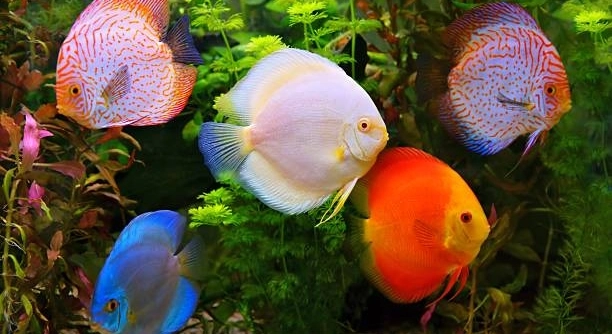
Discus fish are beautiful and popular pets that need the right food to stay healthy and vibrant. Feeding them properly helps maintain their color and energy. Choosing the best foods is important for their well-being and growth.
The seven foods that discus fish love the most include bloodworms, brine shrimp, beef heart, daphnia, tubifex worms, spirulina flakes, and high-quality pellets. These foods provide balanced nutrition essential for their health, color, and vitality in captivity.
Knowing the right foods will improve your discus fish’s quality of life and help you enjoy a lively aquarium environment. This guide will introduce you to their favorite meals and why they matter.
Bloodworms: A Protein Powerhouse
Bloodworms are one of the most popular foods for discus fish because they are rich in protein and easy to digest. These small, red larvae provide essential nutrients that help discus fish grow strong and maintain their vibrant colors. Many hobbyists feed bloodworms either frozen or freeze-dried, which makes them convenient to store and use. Fresh bloodworms can be offered occasionally to give the fish a natural, varied diet. However, it is important to avoid overfeeding bloodworms, as too much protein can cause digestive issues in discus fish. Including bloodworms in their diet supports muscle development and overall health. They also encourage natural hunting behavior, which keeps the fish active and engaged. While bloodworms are nutritious, they should be part of a balanced feeding plan that includes other food types to provide all necessary vitamins and minerals.
Bloodworms are an excellent staple that discus fish usually accept eagerly. They are a key component of a healthy diet.
Adding bloodworms to your discus fish’s meals will help them stay healthy and colorful. This food works well when combined with other nutritious options to meet all their dietary needs.
Brine Shrimp: A Nutritious Treat
Brine shrimp are a favorite for many discus fish due to their high protein content and easy digestion. They can be offered live, frozen, or freeze-dried, making them versatile and accessible.
Live brine shrimp encourage natural hunting behavior, helping discus fish stay active and healthy. They are rich in essential nutrients that support growth and vibrant coloration. Frozen or freeze-dried brine shrimp are convenient alternatives that still provide many nutritional benefits, though live ones are often preferred for stimulation. Feeding brine shrimp regularly can improve discus fish’s overall condition, but variety is important to prevent nutritional gaps. Including them as part of a mixed diet enhances the fish’s immune system and energy levels, promoting longer life spans and better aquarium performance.
Brine shrimp are a reliable and beneficial food choice for discus fish, helping to maintain their natural instincts and nutrition. They complement other foods well in a balanced diet.
Beef Heart: A Protein-Rich Option
Beef heart is a common food for discus fish because it is packed with protein and essential nutrients. It is usually offered as finely chopped or processed meat to make it easier for the fish to eat.
This food helps discus fish build muscle and maintain energy. Many aquarists prepare beef heart mixtures that include vitamins and other supplements to boost nutrition. However, beef heart should be fed in moderation because too much can cause water quality issues and digestive problems. Proper preparation and careful feeding ensure that discus fish get the benefits without negative effects. Combining beef heart with other foods creates a balanced diet that supports growth, health, and coloration. This option is favored for its richness but must be handled with care to avoid overfeeding.
Beef heart provides strong nutritional value for discus fish when used correctly, contributing to their strength and vitality. Proper feeding and preparation are essential for best results.
Daphnia: A Gentle Food Choice
Daphnia are small, freshwater crustaceans that discus fish enjoy. They are easy to digest and help improve digestion due to their natural fiber content.
These tiny creatures are also useful for cleaning the fish’s digestive system, preventing constipation. They can be fed live or frozen, providing variety and nutrition in the diet.
Tubifex Worms: A Nutrient Dense Option
Tubifex worms are rich in protein and fat, making them a high-energy food for discus fish. They stimulate natural hunting instincts when offered live, encouraging active behavior. However, it is important to source tubifex worms from clean, reputable suppliers to avoid introducing harmful bacteria or parasites into the aquarium. Feeding these worms occasionally can boost growth and enhance color, but overfeeding may lead to water quality issues. Proper handling and feeding practices help maximize their benefits while keeping the tank environment safe and healthy for all fish.
Spirulina Flakes: Plant-Based Nutrition
Spirulina flakes are made from blue-green algae and provide important vitamins and minerals. They help support discus fish’s immune system and enhance their natural colors.
What is the best way to feed discus fish?
Feeding discus fish should be done two to three times a day with small portions. Overfeeding can cause water pollution and health problems. It’s important to offer a mix of protein-rich and plant-based foods to meet their nutritional needs. Always remove uneaten food promptly to keep the tank clean.
Can discus fish eat only one type of food?
No, feeding discus fish only one type of food can lead to nutritional deficiencies. A varied diet including bloodworms, brine shrimp, pellets, and spirulina flakes is essential to provide a balance of protein, fats, vitamins, and minerals. Variety also keeps them interested in their meals.
How often should frozen foods be given?
Frozen foods like bloodworms or brine shrimp can be fed daily or every other day. They provide good nutrition but should be balanced with dry or pellet foods to ensure discus get all necessary nutrients. Thaw frozen food properly before feeding to avoid digestive issues.
Are live foods better than frozen or pellets?
Live foods stimulate natural hunting behaviors and are often more appealing to discus fish. They tend to be more nutritious but can carry risks like parasites if not sourced properly. Frozen and pellet foods are safer and more convenient but may lack some nutrients found in live options.
Is it okay to feed beef heart regularly?
Beef heart is high in protein but should be fed in moderation, about once or twice a week. Too much can cause water quality issues and digestive problems. Mixing it with other foods ensures discus fish receive a balanced diet without negative effects.
What role do spirulina flakes play in discus nutrition?
Spirulina flakes provide important vitamins, minerals, and antioxidants. They support the immune system and help maintain the fish’s bright colors. Spirulina is a good plant-based food to include regularly in the diet to promote overall health.
Can discus fish eat flakes alone?
Flakes alone are not enough to meet all dietary needs of discus fish. They can be part of the diet but should be combined with frozen, live, or pellet foods for balanced nutrition. Using only flakes might lead to vitamin or protein deficiencies over time.
How can I avoid overfeeding my discus fish?
Feed small amounts that the fish can finish within a few minutes. Remove any leftovers quickly. Stick to a feeding schedule and avoid feeding every time you see the fish begging for food. Monitoring the fish’s behavior and tank cleanliness helps prevent overfeeding.
What are the signs of poor diet in discus fish?
Signs include faded colors, lethargy, slow growth, and frequent illness. Poor diet can weaken their immune system, making them more prone to disease. Uneaten food buildup and poor water quality are also indirect signs that feeding practices need adjustment.
Are there any foods discus fish should avoid?
Avoid feeding discus fish fatty or processed human foods, bread, or anything that can pollute the water quickly. Also, be cautious with wild-caught live foods that might carry parasites. Stick to trusted, fish-specific foods for safety and health.
How important is food variety for discus fish?
Food variety is very important. It ensures discus get all necessary nutrients and prevents boredom with their diet. Mixing protein sources, plant-based foods, and vitamins helps maintain health, color, and energy levels consistently.
Can discus fish be picky eaters?
Yes, discus can be picky, especially when stressed or newly introduced to a tank. Offering a mix of foods and feeding at consistent times helps encourage eating. Patience and small changes in diet can improve their appetite over time.
Feeding discus fish the right foods is important for their health and happiness. These fish need a balanced diet that includes a variety of foods to grow strong and keep their colors bright. Offering different types of food like bloodworms, brine shrimp, beef heart, and spirulina flakes helps meet their nutritional needs. This variety supports their immune system and keeps them active. It also helps prevent boredom with their meals, which can make them more willing to eat regularly. Making sure the food is fresh and properly prepared also plays a big role in maintaining their well-being.
It is equally important to feed discus fish the correct amounts. Overfeeding can lead to poor water quality, which harms both the fish and the aquarium environment. Small, frequent meals are best to avoid leftovers that decay in the tank. Removing uneaten food quickly keeps the water clean and reduces the risk of diseases. Feeding on a regular schedule helps discus fish develop good eating habits. Observing how much they eat and their overall condition allows adjustments to their diet when needed. Feeding with care and attention improves the fish’s long-term health.
Choosing high-quality foods and providing a balanced diet are key steps to keeping discus fish thriving. Understanding their favorite foods and how each type benefits them makes feeding easier and more effective. Whether you use live, frozen, or prepared foods, combining them properly will offer the nutrients discus fish require. With the right feeding routine and food choices, discus fish can live healthy, colorful lives. Taking the time to learn about their diet helps create a more enjoyable and rewarding aquarium experience.

Hello,
If you enjoy the content that we create, please consider saying a "Thank You!" by leaving a tip.
Every little bit helps us continue crafting quality advice that supports the health, happiness, and well-being of pets around the world, for pets of all shapes, sizes, and species.
We really appreciate the kindness and support that you show us!