
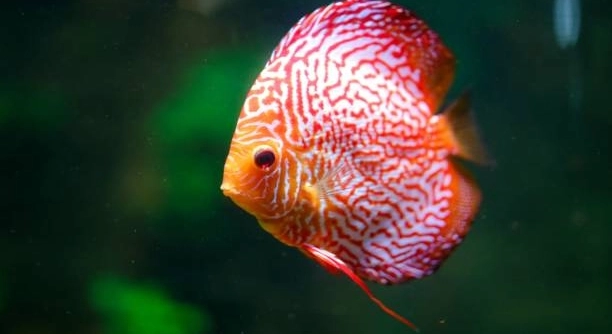
Many new discus fish owners enjoy the beauty of these colorful creatures. However, they often face challenges that cause stress to their fish. Understanding common mistakes helps improve care and create a healthier environment for discus fish.
Stress in new discus fish usually results from mistakes such as poor water quality, incorrect tank temperature, overfeeding, inadequate tank size, sudden changes in environment, lack of proper filtration, and improper handling. Recognizing these errors can prevent unnecessary stress and promote the wellbeing of the fish.
Learning to avoid these pitfalls will help your discus fish thrive. This article offers practical guidance to support your fish’s health and happiness.
Poor Water Quality
Poor water quality is one of the most common mistakes new discus fish owners make. Discus fish are sensitive to their environment and need clean, stable water to stay healthy. When water is dirty or polluted, it can cause stress, illness, and even death. Many beginners don’t test their water often or understand the importance of regular water changes. Ammonia, nitrite, and nitrate levels must be kept low. Chlorine and heavy metals should also be removed. Using a good water conditioner and testing kits can make a big difference. Maintaining proper pH and temperature is also critical for water quality. Taking the time to keep water clean ensures discus fish can thrive and display their best colors.
Regular water checks prevent many health problems in discus fish.
Understanding water parameters and keeping a consistent cleaning schedule helps keep discus fish healthy and stress-free. It is important to cycle the tank before adding fish, so beneficial bacteria can establish. Frequent water changes, about 25-30% weekly, remove toxins and replenish minerals. Overfeeding can foul the water quickly, so feeding only what discus can eat in a few minutes is recommended. Using a reliable filter and avoiding overcrowding will support water quality. Keeping the tank environment stable avoids sudden changes that stress the fish. Overall, clean water is the foundation for discus care.
Incorrect Tank Temperature
Maintaining the correct temperature is essential for discus fish health. Too cold or too warm water can cause stress and lower immunity.
Discus fish prefer temperatures between 82°F and 86°F (28°C to 30°C). Fluctuations outside this range can lead to illness or behavior changes. Many beginners forget to use a heater or rely on room temperature, which is often too low. A stable temperature mimics their natural tropical environment and helps them feel safe. Using a reliable aquarium heater with a thermostat will keep the temperature steady. Monitoring the tank temperature regularly with a thermometer is important to catch any changes early. Proper temperature control supports digestion, metabolism, and overall wellbeing.
Overfeeding
Overfeeding is a common mistake that quickly harms discus fish. Excess food pollutes the water and stresses the fish.
When discus fish are given too much food, uneaten bits decay and raise ammonia and nitrate levels in the tank. This can lead to poor water quality and increase the risk of disease. Overfeeding also causes obesity in fish, which affects their health and lifespan. Feeding small amounts two to three times daily is enough. It’s better to offer less food and see if the fish finish it rather than risk leftovers. Using high-quality, nutritious food supports their growth without overloading the tank’s filtration system.
Controlling portion sizes and observing your fish during feeding times helps prevent waste. Keeping a regular feeding schedule and sticking to it reduces stress and encourages natural behavior. Proper feeding habits improve water quality and keep discus fish healthy over time.
Inadequate Tank Size
A tank that is too small can quickly stress discus fish and limit their growth.
Discus fish grow to a reasonable size and need plenty of space to swim freely. Small tanks cause overcrowding, which increases aggression and reduces oxygen levels. It also makes maintaining water quality more difficult, leading to frequent health problems. A minimum of 50 gallons is recommended for a small group of discus, but larger tanks offer better stability and comfort. Providing enough room allows discus to express natural behavior and reduces stress. Larger tanks also make it easier to maintain consistent water parameters and reduce fluctuations that upset sensitive fish.
Choosing the right tank size from the start is a wise decision for successful discus care. It helps keep water conditions stable, fish healthy, and creates a peaceful environment where discus can thrive and show their vibrant colors.
Sudden Changes in Environment
Sudden changes in the tank can shock discus fish and cause stress. This includes quick shifts in water temperature, pH, or decorations.
Discus fish need a stable, calm environment to feel secure. Frequent or drastic changes disrupt their routine and can weaken their immune system, making them prone to illness.
Lack of Proper Filtration
Good filtration is essential to keep the water clean and safe for discus fish. Without it, waste builds up quickly, harming fish health.
Filters remove harmful toxins and help maintain oxygen levels. Choosing a filter designed for discus tanks ensures gentle water flow, as strong currents can stress the fish. Regular filter maintenance keeps the system working well and prevents water quality problems.
Improper Handling
Handling discus fish roughly or too often stresses them and can cause injury. Limiting handling helps keep them calm and healthy.
FAQ
What causes stress in discus fish?
Stress in discus fish is mainly caused by poor water quality, incorrect tank temperature, overfeeding, inadequate tank size, sudden changes in the environment, lack of proper filtration, and improper handling. Each of these factors affects the fish’s comfort and health, leading to stress responses such as hiding, loss of appetite, or illness.
How often should I change the water in my discus tank?
It is best to change 25-30% of the water weekly. Regular water changes help remove toxins like ammonia and nitrates that build up over time. This keeps the water clean and the fish healthy. Avoid changing all the water at once because sudden changes can shock your discus.
What is the ideal water temperature for discus fish?
Discus fish thrive between 82°F and 86°F (28°C to 30°C). Keeping the temperature stable within this range supports their metabolism and immune system. Avoid sudden temperature fluctuations, which can stress your fish and make them vulnerable to disease.
How can I prevent overfeeding my discus fish?
Feed small amounts two to three times a day, only giving what your discus can eat within a few minutes. Overfeeding pollutes the water and causes health issues like obesity. Using high-quality food also helps provide balanced nutrition without wasting excess.
Why is tank size important for discus fish?
Discus fish grow fairly large and need space to swim freely. Small tanks lead to overcrowding, stress, and poor water quality. A minimum of 50 gallons is recommended for a small group. Larger tanks provide stability in water conditions and reduce aggression among fish.
What kind of filtration works best for discus tanks?
A filter that provides good mechanical, chemical, and biological filtration with gentle water flow is best. Strong currents can stress discus fish, so choose a filter designed for tropical fish or discus tanks. Regular cleaning and maintenance of the filter keep water conditions optimal.
Can I change decorations or plants frequently in the discus tank?
Frequent or sudden changes to decorations, plants, or layout can stress discus fish. They prefer a stable environment where they feel safe. If changes are needed, introduce them gradually and avoid disturbing the tank too often.
How should I handle discus fish safely?
Handle discus fish as little as possible and always gently. Rough or frequent handling can cause physical injury and stress. Use a soft net and avoid sudden movements. Whenever possible, try to maintain the tank environment to reduce the need for handling.
How can I tell if my discus fish is stressed?
Signs of stress include hiding, loss of appetite, faded colors, erratic swimming, or gasping at the surface. Stressed discus may also become more aggressive or lethargic. If you notice these behaviors, check water quality and tank conditions immediately.
Is it normal for discus fish to be shy at first?
Yes, discus fish can be shy and cautious when introduced to a new tank. They need time to adjust to their surroundings and build confidence. Providing a calm, stable environment helps them feel secure and come out more often.
What should I do if my discus fish gets sick?
If you notice signs of illness, first check water quality and tank parameters. Poor conditions often cause or worsen disease. Isolate the sick fish if possible and treat it according to the symptoms. Consult a vet or aquatic specialist for proper diagnosis and medication.
How important is water pH for discus fish?
Discus fish prefer slightly acidic to neutral pH, usually between 6.0 and 7.0. Keeping pH stable within this range reduces stress and promotes healthy biological functions. Sudden pH shifts can cause serious problems, so regular testing is important.
Can discus fish live with other species?
Discus can live with peaceful, slow-moving fish that tolerate similar water conditions. Avoid aggressive or fast species that may stress discus. Suitable tank mates include certain tetras, Corydoras catfish, and peaceful dwarf cichlids. Always research compatibility before mixing species.
How long do discus fish usually live?
With proper care, discus fish can live between 10 to 15 years. Their lifespan depends heavily on water quality, diet, and stress levels. Consistently good care helps ensure a long, healthy life for your fish.
What is the best diet for discus fish?
A varied diet including high-quality flakes, pellets, frozen or live foods like bloodworms and brine shrimp is ideal. Balanced nutrition supports their vibrant colors and growth. Avoid overfeeding and remove uneaten food promptly to maintain water quality.
Final Thoughts
Taking care of discus fish can be very rewarding, but it requires attention to detail and patience. These fish are sensitive to their environment and need stable conditions to stay healthy. Many problems come from common mistakes like poor water quality, wrong temperature, or overfeeding. Being aware of these issues helps prevent stress and illness. Maintaining a clean tank with proper water parameters is one of the most important steps. Regular water changes, good filtration, and monitoring water chemistry keep discus fish comfortable and happy. Small actions, like checking the water regularly and feeding the right amount, can make a big difference.
It is also important to provide enough space and a calm environment for discus fish. A tank that is too small or overcrowded creates stress and unhealthy conditions. Discus need room to swim and explore without feeling threatened. Sudden changes in the tank, like moving decorations or changing water temperature quickly, can upset them. Creating a peaceful and stable home helps discus feel safe and reduces stress-related behavior. Handling them gently and as little as possible also supports their wellbeing. When discus fish feel secure, they show their best colors and active personalities, which makes keeping them more enjoyable.
Finally, keeping discus fish healthy takes time and learning. No one gets it perfect right away, and mistakes are part of the process. Watching your fish closely and learning from what they show you helps improve their care. Understanding the basics of their needs and avoiding common errors will go a long way in creating a good environment. Patience, consistency, and attention make discus fish thrive and bring beauty to any aquarium. With care and effort, your discus can live long, healthy lives and bring you enjoyment for many years.

Hello,
If you enjoy the content that we create, please consider saying a "Thank You!" by leaving a tip.
Every little bit helps us continue crafting quality advice that supports the health, happiness, and well-being of pets around the world, for pets of all shapes, sizes, and species.
We really appreciate the kindness and support that you show us!