
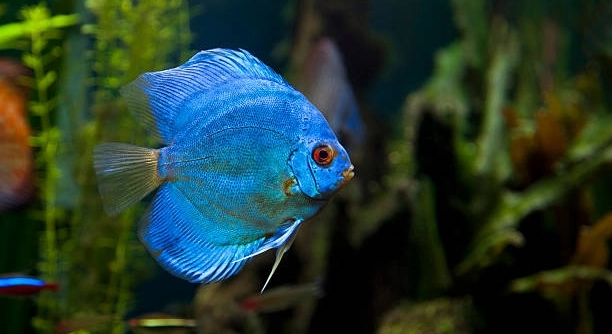
Are your discus fish showing signs of stress or unusual behavior in your aquarium? Many aquarists wonder about the best way to keep these colorful fish happy and healthy. Understanding whether discus thrive better alone or in pairs can help improve their care.
Discus fish generally do better in pairs or small groups rather than alone. They are social animals that feel more secure and display natural behaviors when kept with companions. Keeping discus alone can lead to stress and reduced activity.
Knowing how discus interact in different settings will help you create a better environment for them. This article will explain the benefits and challenges of keeping discus fish alone or with partners.
Why Discus Prefer Company
Discus fish are naturally social creatures. In the wild, they live in groups, which helps them feel safe from predators. When kept alone in an aquarium, discus can become stressed or shy, hiding more often and eating less. Pairing them or keeping a small group allows discus to interact and establish a social hierarchy. This interaction keeps them active and reduces stress-related behaviors. Additionally, discus show brighter colors and more natural behavior when they have company. When alone, they may appear dull and less energetic. Proper tank setup with enough space and hiding spots can support their social needs, but companionship remains key for their well-being.
The social nature of discus means they benefit from having companions to reduce stress and encourage natural behavior patterns.
Creating a comfortable environment with the right companions helps discus live longer and healthier. Watching their social interactions can be rewarding and ensures they stay active, bright, and engaged in the aquarium.
Managing Pairs vs. Groups
Pairs are easier to manage in smaller tanks.
Keeping discus in pairs simplifies tank maintenance and reduces the risk of territorial disputes. However, groups of three or more mimic their natural setting better and improve social dynamics. Groups tend to be more stable because no single fish is overly dominant. Proper tank size and regular water changes are important to support groups. Feeding needs must be balanced to prevent competition. Observing their behavior helps identify any aggression or stress early. Choosing peaceful companions in the tank further supports discus wellbeing. Overall, pairs suit beginners, while groups offer a more natural and engaging environment for discus owners willing to provide the right care.
Tank Setup for Discus Pairs and Groups
Tank size matters for discus health.
For pairs, a tank of at least 30 gallons is recommended to provide enough swimming space. For groups, a larger tank of 50 gallons or more is necessary to prevent overcrowding and reduce stress. Proper filtration and stable water conditions are essential regardless of tank size to keep discus healthy and active.
Setting up the tank with hiding spots and open swimming areas supports their social behavior. Plants or driftwood can create natural barriers that help reduce tension between fish. Maintaining consistent water temperature between 82-86°F is important, as discus are sensitive to changes. Regular cleaning and water changes prevent harmful buildup and keep the tank environment safe.
Lighting should be soft to avoid stressing discus. Avoid harsh, bright lights as they can cause hiding or erratic swimming. Using dimmable lights or floating plants helps create a calm atmosphere. A stable, clean tank environment with thoughtful decoration supports discus well-being whether kept in pairs or groups.
Feeding Considerations for Discus
Feeding discus properly is crucial for their health.
Discus require a balanced diet rich in protein and nutrients to maintain their vibrant colors and energy. Offering a variety of foods, including high-quality flakes, pellets, frozen bloodworms, and brine shrimp, helps meet their dietary needs. Feeding smaller amounts multiple times a day is better than one large feeding to prevent leftover food and water contamination.
In groups, feeding can be competitive. Observing fish during feeding ensures all discus get enough food without being bullied. Separate feeding areas or target feeding may help weaker fish eat properly. Avoid overfeeding, as it leads to poor water quality and health problems. Clean up uneaten food promptly to maintain tank cleanliness. Proper feeding routines support discus growth and keep them lively.
Signs of Stress in Discus
Stress can show quickly in discus fish. Watch for faded colors, loss of appetite, or hiding more than usual. These signs suggest your fish may feel insecure or uncomfortable.
Changes in swimming patterns, like erratic movements or staying at the tank bottom, also indicate stress. Early detection helps prevent health problems.
Maintaining Water Quality
Clean, stable water is vital for discus health. Regular testing and water changes prevent harmful spikes in ammonia or nitrates. Proper filtration supports a balanced environment, keeping discus active and healthy.
Choosing Compatible Tank Mates
Not all fish get along with discus. Avoid aggressive or fast swimmers that may stress them. Peaceful, slow-moving species like tetras or corydoras usually coexist well.
When to Separate Discus
If aggression occurs, separating fish might be necessary. This helps reduce stress and injury risks. Observing their behavior closely can guide timely intervention.
FAQ
Can discus fish live alone?
Discus fish can survive alone, but it is not ideal for their well-being. They are social fish that feel safer and more comfortable with at least one companion. Being alone often leads to stress, which can affect their appetite, color, and overall health. If space or tank size limits you to one discus, extra care must be taken to keep the environment calm and stress-free.
How many discus should I keep together?
Keeping discus in groups of three to six is usually best. Small groups allow natural social behaviors to develop without causing overcrowding. Groups help balance the tank’s social dynamics and reduce aggression. However, the tank size must be large enough to support the group—generally, 50 gallons or more. Larger groups may require more maintenance but offer a better environment for discus.
Do discus fish fight in pairs?
Some discus pairs may show mild territorial behavior, especially during breeding. However, serious fighting is rare if the tank is large enough and offers enough hiding spaces. Watching their behavior helps identify if conflicts are becoming harmful. If aggression rises, separating the pair temporarily can prevent injury.
What is the best tank size for discus pairs?
A tank of at least 30 gallons is recommended for a pair of discus. This size gives them enough space to swim freely and establish territories without feeling cramped. Larger tanks offer better water stability and room for decorations that reduce stress. Proper filtration and temperature control are equally important.
How often should I feed discus?
Feeding discus two to three times a day is ideal. Small, frequent meals help maintain water quality and prevent overeating. Offer a mix of high-quality flakes, pellets, and frozen foods like bloodworms or brine shrimp. Monitor their eating habits to adjust portions and avoid leftover food, which can harm the tank’s environment.
Can discus live with other fish?
Discus can live peacefully with certain calm and non-aggressive fish. Ideal tank mates include tetras, corydoras, and other slow swimmers that don’t compete for food aggressively. Avoid fast or territorial species that may stress discus or disrupt their environment.
How do I know if my discus is stressed?
Signs of stress include faded colors, reduced appetite, hiding, or erratic swimming. Stress may result from poor water quality, aggressive tank mates, or loneliness. Identifying stress early allows you to adjust the tank environment or social setup, improving your discus’s health and happiness.
What water parameters are best for discus?
Discus thrive in warm, soft, and slightly acidic water. Aim for a temperature between 82-86°F, pH around 6.0-7.0, and low hardness. Regular water testing and changes keep these parameters stable. Good filtration and gentle water flow also contribute to their well-being.
Should I keep discus in pairs or groups?
Groups are generally better because they mimic the discus’s natural environment. Groups reduce stress and encourage natural behaviors. However, pairs are easier to manage in smaller tanks or for beginners. The choice depends on tank size, maintenance ability, and personal preference.
What do I do if discus start fighting?
If fighting begins, first check the tank size and decorations. Adding plants or hiding spots can help reduce tension. If fights continue, separate aggressive fish to prevent injury. Sometimes rearranging the tank layout breaks territorial claims and eases aggression.
How important is tank maintenance for discus?
Tank maintenance is crucial. Discus are sensitive to water changes and quality. Weekly partial water changes and cleaning the substrate prevent toxin buildup. Proper filtration and temperature control ensure a stable environment that supports discus health.
Can discus tolerate changes in tank conditions?
Discus are sensitive to sudden changes in water temperature, pH, or quality. Gradual adjustments are necessary to avoid stress or illness. Regular monitoring and consistent tank conditions help discus adapt and thrive.
Do discus need special lighting?
Soft lighting is best for discus. Bright or harsh lights can stress them and cause hiding. Using dimmable lights or floating plants to diffuse light creates a comfortable setting. Natural daylight cycles also help maintain their internal rhythms.
How do I introduce new discus to an existing tank?
Quarantine new discus for two weeks before adding them to the main tank. This prevents spreading diseases. When introducing, rearrange tank decorations to disrupt established territories and reduce aggression. Add new fish during feeding times to distract existing discus and ease acceptance.
Are discus fish good for beginners?
Discus require more care and stable conditions than many other aquarium fish. They are better suited for hobbyists who can maintain precise water quality and devote time to their care. Beginners can keep discus successfully with research, patience, and proper setup.
How long do discus fish live?
With proper care, discus can live 10 to 15 years. Maintaining good water quality, a balanced diet, and a peaceful environment helps them reach their full lifespan. Stress, poor nutrition, or illness can shorten their life expectancy.
Final Thoughts
Discus fish are special creatures that need careful attention to thrive. Whether you choose to keep them alone, in pairs, or in groups, understanding their social nature is important. These fish feel safer and more comfortable when they have companions, which helps reduce stress and encourages natural behaviors. However, tank size and proper care must match the number of discus you keep. A small tank may only suit a pair, while a larger tank can support a group and give them space to swim freely. Providing hiding spots and soft lighting helps create a comfortable environment for discus no matter the setup.
Proper feeding and water quality are also key to keeping discus healthy. Feeding small amounts several times a day with a balanced diet supports their growth and bright colors. Overfeeding or poor water quality can cause illness or stress, so regular tank maintenance and careful feeding habits are essential. Observing your discus regularly can help you notice any changes in behavior or signs of stress early on. If discus seem dull, hide often, or act differently, it’s usually a sign something in their environment needs adjusting. Paying attention to these details keeps your fish happy and thriving.
Choosing between keeping discus alone, in pairs, or groups depends on your tank size, experience, and how much time you can dedicate to their care. Groups are closer to their natural social life and often lead to more stable and active fish. Pairs can be easier to manage in smaller tanks and may work well if you want a simpler setup. Whichever you choose, providing a stable, clean environment with proper nutrition will help your discus live longer and stay vibrant. Taking the time to understand their needs makes a big difference in how well your discus will do in your home aquarium.

Hello,
If you enjoy the content that we create, please consider saying a "Thank You!" by leaving a tip.
Every little bit helps us continue crafting quality advice that supports the health, happiness, and well-being of pets around the world, for pets of all shapes, sizes, and species.
We really appreciate the kindness and support that you show us!