
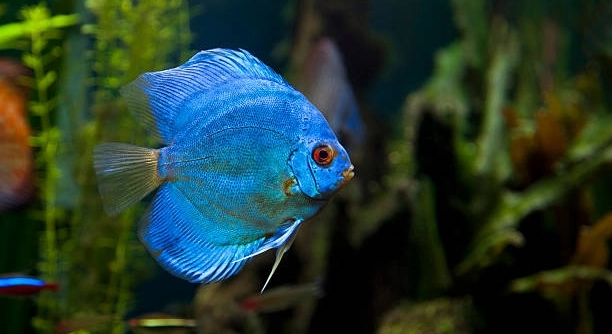
Discus fish are popular for their bright colors and graceful movements. Many aquarium owners want to understand how these fish form bonds with each other. Knowing when discus are bonded can help create a peaceful tank environment.
Discus are considered bonded when they display consistent pairing behaviors, such as swimming closely together, cleaning each other, and sharing territory. These signs indicate a stable social connection, often related to mating or strong companionship.
Recognizing these behaviors helps maintain a healthy and balanced aquarium, ensuring your discus thrive in their shared space.
How to Recognize Bonding Behavior in Discus
Discus fish show bonding through specific behaviors. When two discus are bonded, you’ll often see them swimming side by side, staying close to each other most of the time. They also engage in cleaning behavior, where one fish gently picks at the other’s body. This shows trust and care between them. Bonded discus may also guard a certain area in the tank together, such as a spot where they like to lay eggs. Their movements become synchronized, and they respond to each other’s presence calmly. If you notice your discus spending a lot of time near one another, sharing space without aggression, it’s a strong sign that they have formed a bond.
These behaviors are natural and important for their social well-being. Bonded discus usually experience less stress and show healthier behavior overall.
By watching your discus carefully, you can spot these signs and better understand how your fish relate to one another. This awareness helps keep your tank peaceful and your discus happy.
Why Bonding Matters for Discus Fish
Bonding plays a key role in the overall health of discus fish. When discus are bonded, they feel safer and less stressed in their environment. This leads to better immune responses and increased activity levels. Bonded pairs are also more likely to breed successfully, as their connection helps coordinate spawning behaviors and care for their eggs or fry.
When discus do not bond or show signs of stress and aggression, it can affect their appetite and growth. A peaceful, bonded pair can contribute to a stable tank atmosphere, benefiting all the fish living there. Maintaining the right conditions—like clean water, proper diet, and enough space—encourages natural bonding.
Understanding how bonding affects discus behavior allows you to support their needs better. This care improves their well-being and helps your aquarium thrive.
Signs That Discus Are Not Bonded
When discus are not bonded, they often keep their distance from each other. You might see them swimming alone or showing aggression by chasing or nipping at other fish. These behaviors suggest a lack of connection or unresolved stress.
Discus that do not bond may compete for territory or food, causing tension in the tank. Their movements are less coordinated, and they may hide more often. This can lead to poor health due to stress and lack of social interaction. It’s important to observe these signs early to prevent prolonged conflict. Keeping discus in groups that do not bond can affect the entire aquarium’s harmony.
In some cases, non-bonded discus may require separation or rearrangement of the tank to reduce stress. Providing plenty of hiding spots and maintaining stable water conditions can help ease tensions. Sometimes, introducing new tank mates gradually allows discus to adjust and find social balance over time.
Factors That Influence Discus Bonding
Tank conditions play a major role in whether discus bond successfully. Clean water with stable temperature and pH levels reduces stress and promotes natural behavior. Overcrowding or poor water quality can prevent discus from forming bonds and lead to aggression.
The size and layout of the tank also affect bonding. Discus need enough space to establish territories and move freely without feeling threatened. Plants and decorations can offer hiding spots, helping shy or stressed fish feel safer. Proper diet and feeding routines support health and social stability.
Introducing discus at the same time and age increases the chance they will bond. Mixing older and younger fish or adding new fish suddenly can disrupt existing bonds. Careful planning and observation make a big difference in fostering strong relationships among discus.
How to Encourage Bonding Among Discus
Providing a calm environment helps discus bond naturally. Avoid sudden changes in water or lighting, and keep noise levels low. Consistent feeding times also support bonding behavior by reducing competition.
Keeping discus in small groups of similar size encourages them to form social connections more easily.
The Role of Breeding in Discus Bonding
Breeding often strengthens bonds between discus pairs. During spawning, discus work closely together to clean a surface for eggs and guard their territory. This cooperation deepens their connection. Watching these behaviors helps identify bonded pairs, as they become protective and attentive toward each other.
Pairs that successfully breed tend to maintain stronger social bonds even after spawning.
When to Separate Discus
If aggression becomes persistent and causes stress or injury, separation may be necessary. Sometimes discus simply do not bond and need their own space to stay healthy.
FAQ
How long does it take for discus to bond?
Discus bonding varies depending on the fish and tank conditions. Typically, pairs start showing bonding behaviors within a few weeks. In a calm, well-maintained tank, discus can form strong bonds faster. If the environment is stressful or overcrowded, bonding may take longer or might not happen at all.
Can discus bond with more than one fish?
Discus can form social groups, but strong pair bonds usually develop between just two fish. In some cases, discus may show friendly behavior toward a few tank mates, but true bonding typically happens in pairs, especially during breeding.
What are common signs that discus are bonded?
Bonded discus swim closely together, often side by side. They clean each other and share a territory without aggression. These behaviors show trust and social connection. Watching for synchronized movements or guarding of a specific area also indicates bonding.
Why do some discus refuse to bond?
Discus may refuse to bond due to stress, poor tank conditions, or incompatible personalities. Aggression, overcrowding, or sudden changes in the tank can prevent bonding. Sometimes, discus simply don’t match well, and it’s best to separate them for their well-being.
Does diet affect discus bonding?
A balanced diet helps discus stay healthy and less stressed, which supports bonding. When discus get enough nutrients, they are calmer and more likely to interact positively. Poor diet can cause irritability, making bonding harder.
Can bonding affect breeding success?
Yes, bonded pairs are more likely to breed successfully. Their cooperation during spawning improves egg care and protection. Strong bonds help discus coordinate behaviors needed for raising fry, increasing survival rates.
Should I separate discus if they fight?
If fighting causes injury or stress, separating discus is a good idea. Sometimes, discus need space to avoid harm. After separation, observe if they calm down before trying to reintroduce them. Avoid overcrowding to reduce aggression.
How can I tell if my discus are stressed?
Signs of stress include hiding, loss of appetite, rapid breathing, and aggressive behavior. Discus may also lose color or become lethargic. Stress can stop bonding or break existing bonds, so addressing causes quickly is important.
Does tank size influence bonding?
Tank size matters because discus need space to establish territories and avoid conflict. A cramped tank can cause stress and prevent bonding. Larger tanks with proper decorations allow discus to interact naturally and feel secure.
What role do tank mates play in discus bonding?
Peaceful tank mates create a calm environment where discus can bond without threat. Aggressive or overly active fish disturb discus, causing stress and broken bonds. Choose compatible species to support discus social behavior.
How often should I observe discus behavior?
Regular observation helps you notice bonding signs and detect problems early. Spending a few minutes daily watching your discus can reveal changes in their relationships and health, allowing prompt care adjustments.
Can introducing new discus break bonds?
Introducing new discus can disrupt established bonds, especially if the tank is small or overcrowded. Adding new fish gradually and ensuring enough space helps reduce tension. Sometimes, bonds reform after adjustment, but not always.
Is it normal for bonded discus to separate sometimes?
Yes, discus may separate temporarily to explore or feed. Short breaks don’t mean bonds are broken. Consistent close interactions over time confirm bonding, while long periods apart might need attention.
What environmental factors help discus bond?
Stable temperature, clean water, and low noise support discus bonding. Sudden changes or poor water quality cause stress and hinder bonding. Providing hiding spots and natural décor helps discus feel safe and connected.
How do I encourage bonding in a mixed-age group?
Mixed-age discus bond less easily. Keeping similar-sized fish together improves bonding chances. If mixing ages, add younger fish slowly and watch for stress. Creating enough space and hiding spots helps reduce competition.
Can I train discus to bond faster?
You can encourage bonding by maintaining stable conditions, feeding regularly, and minimizing stress. Patience is key, as forcing interaction usually backfires. Over time, calm and consistent care helps discus build natural bonds.
Final Thoughts
Understanding how discus bond is important for anyone keeping these beautiful fish. Bonding affects their behavior, health, and overall happiness in the tank. When discus form strong connections, they are less stressed and show more natural, peaceful behavior. This makes caring for them easier and more rewarding. Watching for signs of bonding, such as swimming together and cleaning each other, helps you know when your fish are comfortable and getting along well. It also allows you to spot problems early if discus are not bonding or showing signs of stress.
Creating the right environment supports discus bonding. Clean water, stable temperature, and enough space give discus the comfort they need to form relationships. Including hiding spots and decorations helps shy fish feel safe, reducing tension. Feeding them regularly with a balanced diet also contributes to a calm tank where bonding can happen naturally. Keeping groups of similar size and age improves their chances of bonding, while overcrowding or mixing very different fish can cause stress and aggression. Paying attention to these factors helps your discus build healthy bonds over time.
Sometimes discus may not bond or may become aggressive, and that is okay. Each fish has its own personality and needs. In these cases, separating fish or adjusting the tank setup can reduce stress and keep the aquarium peaceful. Remember, bonding is a gradual process that needs patience and care. By maintaining a stable and calm environment, you give your discus the best chance to form strong social connections. This creates a happier home for your fish and makes your aquarium more enjoyable to watch.

Hello,
If you enjoy the content that we create, please consider saying a "Thank You!" by leaving a tip.
Every little bit helps us continue crafting quality advice that supports the health, happiness, and well-being of pets around the world, for pets of all shapes, sizes, and species.
We really appreciate the kindness and support that you show us!