
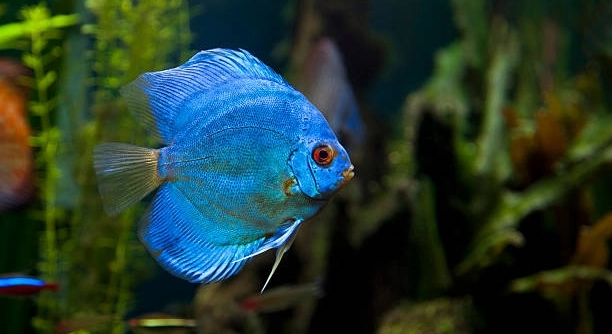
Are your discus fish showing strange behavior instead of tending to their eggs like they should? Breeding discus can be rewarding, but a few small mistakes may completely disrupt the process and stress your fish.
Discus breeding cycles can be ruined by poor water conditions, improper tank setup, stress from sudden changes, incompatible pairs, overfeeding, underfeeding, lighting inconsistencies, or frequent disturbances. Each of these factors can interrupt spawning or harm developing fry.
These challenges may seem small at first, but they often build up and cause breeding failure. Understanding what to watch for can help you create a better space for your discus to thrive.
Poor Water Quality
Keeping clean water is one of the most important parts of discus breeding. These fish are sensitive, and even slight changes in water conditions can affect their behavior. High levels of ammonia or nitrite can make them stressed and less likely to breed. Regular testing is essential. If pH or temperature swings too much, the pair may stop caring for their eggs. Water changes should be frequent but gentle. Always match the temperature and condition of the replacement water. Using a good filter helps, but it shouldn’t create strong currents. Discus prefer calm, stable conditions.
Stress caused by poor water can stop breeding altogether. It may even lead to egg-eating or fry abandonment.
It’s best to keep the water at 84–86°F, with a pH between 6.0 and 6.5. Keep ammonia and nitrite at zero, and nitrates under 20 ppm. Always clean the tank carefully, without disturbing the fish too much.
Incompatible Breeding Pair
Some discus simply don’t get along. If a pair is not bonded, they may show aggression or ignore the eggs. This can lead to constant chasing, damaged fins, and broken breeding attempts.
To increase your chances of success, allow the fish to pair naturally before moving them to a breeding tank. Forced pairings often fail. Watch for signs of bonding like rubbing, cleaning the breeding site together, or staying close. If they fight often or seem disinterested, it’s best to try another combination. Sometimes, it takes time for a strong pair to form. You can start with a group of young discus and let them grow up together. This gives them a better chance of forming lasting pairs. Once a pair is stable and comfortable, they’ll usually breed more reliably. A peaceful bond between the two makes a big difference in protecting and raising the fry.
Sudden Environmental Changes
Discus fish are easily affected by quick changes in their environment. This includes sudden shifts in temperature, pH, lighting, or even loud noises near the tank. These changes can make them stressed, which stops the breeding process or causes them to eat the eggs.
If you need to make changes in the tank, do it slowly. For example, when doing a water change, make sure the new water is close in temperature and pH. Avoid turning lights on and off suddenly—use a dim light first if needed. Even rearranging decorations can upset them. It’s best to maintain a steady environment throughout the breeding cycle. Try to keep feeding and cleaning on a regular schedule. Stability helps the pair feel secure, and they are more likely to protect and raise their fry without trouble.
Even cleaning the tank can be a problem if done too roughly or too often. Avoid scrubbing glass near the breeding site or shaking the filter. Use a siphon gently to clean waste without disturbing the pair. It’s better to do small, more frequent water changes than one big one. Try not to tap on the glass or let other pets or people get too close. Calm surroundings help keep the discus focused and calm.
Overfeeding or Underfeeding
Feeding too much or too little can disrupt the breeding cycle. When discus are overfed, water quality suffers, leading to stress. When they’re underfed, they lack energy to breed or care for the fry.
A balanced diet helps discus stay in good health and encourages spawning. Offer high-protein food like beef heart, blackworms, or quality pellets. Avoid feeding large amounts at once—small meals two to three times a day work better. Remove uneaten food quickly to keep the water clean. You can include live foods occasionally, but don’t rely on them too heavily. Proper feeding not only improves health but also helps the parents stay focused on protecting the eggs. Well-fed fish are calmer, more active, and more responsive to breeding cues. Poor nutrition often leads to failed attempts or loss of fry due to weak parental care or stress. Feeding right is simple but very important.
Inconsistent Lighting
Discus prefer a steady light routine, especially when breeding. Sudden lighting changes or long dark periods can confuse them and disrupt egg laying. Too much light can also make them feel exposed and stressed during sensitive breeding moments.
Use a timer to keep lighting consistent each day. Aim for 10–12 hours of soft light.
Frequent Tank Disturbances
Too much activity around the tank can stop breeding. Loud sounds, tapping on the glass, or frequent movement near the tank cause stress. Discus may eat the eggs or abandon them.
Place the tank in a quiet area with low foot traffic. Avoid opening the lid or moving equipment often.
Wrong Breeding Setup
Discus need the right setup to feel safe enough to breed. The breeding tank should be clean, calm, and free of distractions. A bare-bottom tank with a heater, sponge filter, and a vertical spawning surface works well. Keep tankmates away to reduce stress. Avoid using bright lighting or sharp decor.
What is the best water temperature for discus breeding?
The ideal water temperature for discus breeding is between 84°F and 86°F (29°C to 30°C). Keeping the temperature steady within this range encourages spawning behavior and helps eggs develop properly. Sudden changes in temperature can stress the fish, causing them to stop breeding or even eat their eggs. Using a reliable heater with a thermostat helps maintain stability.
How often should I do water changes during breeding?
During breeding, frequent but small water changes are best. Changing about 20-30% of the water every two to three days keeps the tank clean without shocking the fish. Always make sure the new water matches the tank’s temperature and pH to avoid stress. Avoid big, sudden water changes, as these can disturb the discus and interrupt their care for the eggs or fry.
Can I keep other fish with my breeding discus?
It’s usually better to keep breeding discus alone or with very peaceful tankmates. Other fish may stress the pair or try to eat the eggs and fry. If you want to keep tankmates, choose small, calm species that won’t bother the breeding pair. However, the safest way is to set up a separate breeding tank to give your discus privacy and reduce disturbances.
How can I tell if my discus are ready to breed?
Signs that discus are ready to breed include cleaning a flat surface like a broad leaf or a slate, spending more time close together, and showing more intense colors. They may also fan their fins and nibble on the chosen spawning spot. These behaviors usually mean the pair is preparing to lay eggs soon.
Why are my discus eating their eggs?
Egg eating can happen for several reasons: stress, poor water conditions, lack of bonding between the pair, or feeling threatened by tankmates or disturbances. Sometimes it’s a sign the eggs are not healthy or fertilized. Improving water quality, reducing stress, and making sure the pair is compatible can help prevent this behavior.
What food should I feed breeding discus?
Feed a high-protein diet to breeding discus, including beef heart, bloodworms, blackworms, or specially formulated discus pellets. A varied diet supports their energy needs during spawning and fry care. Feed small amounts two to three times a day, removing any leftover food to keep the water clean.
How long does the discus breeding cycle last?
After eggs are laid, they typically hatch in 48 to 60 hours, depending on water temperature. The parents will care for the fry by fanning the eggs and later by feeding the young with skin mucus. The whole cycle, from spawning to free-swimming fry, usually takes about 7 to 10 days.
What are the signs of a healthy discus fry?
Healthy fry are active and stay close to the parents. They should have clear eyes, rounded bodies, and show steady growth. The parents will often protect and guide them, moving them around the tank as needed. Fry that look weak or don’t swim properly may need extra care or separate rearing.
Can I use medication during breeding?
Using medication during breeding should be done with caution. Many medications can stress the discus or harm the eggs and fry. Only use treatments if absolutely necessary and choose those safe for breeding fish. Always follow instructions carefully and try to prevent illness by maintaining clean water and good nutrition instead.
How important is tank size for breeding discus?
A breeding tank should be large enough to give the pair space to move and protect their eggs but small enough to keep conditions stable. A 20-30 gallon tank is usually enough for one breeding pair. Larger tanks can be harder to maintain and may cause stress if the fish feel exposed. A smaller, quiet tank with proper filtration and heating works best.
Breeding discus fish can be a rewarding experience, but it takes careful attention to detail. Many small factors can affect the success of a breeding cycle, from water quality to feeding and tank setup. Keeping conditions stable and stress low is very important for encouraging healthy spawning and raising strong fry. When things go wrong, it’s usually because one or more of these details were overlooked or changed suddenly. Learning to spot potential problems early helps prevent failures and keeps your discus healthy and comfortable.
Water quality is one of the biggest influences on discus breeding. Ammonia, nitrite, and nitrate levels must be monitored closely. Even small changes in pH or temperature can cause stress that disrupts breeding behavior. Regular, gentle water changes are needed to keep the environment clean but balanced. Overfeeding can pollute the water, while underfeeding weakens the fish. It’s important to feed high-quality food in the right amounts. Maintaining a calm, quiet environment with consistent lighting and little disturbance helps the pair focus on their eggs and fry.
Pair compatibility also plays a key role in breeding success. Discus form strong bonds with their mates, and a well-matched pair will care for their eggs and fry better. Forcing pairs or mixing incompatible fish leads to aggression or neglect. Watching for signs of bonding before moving the pair to a breeding tank improves the chance of success. With patience, proper care, and attention to detail, breeding discus can become a satisfying part of fishkeeping. Taking the time to create the right conditions gives the best chance for a successful breeding cycle and healthy young fish.

Hello,
If you enjoy the content that we create, please consider saying a "Thank You!" by leaving a tip.
Every little bit helps us continue crafting quality advice that supports the health, happiness, and well-being of pets around the world, for pets of all shapes, sizes, and species.
We really appreciate the kindness and support that you show us!