
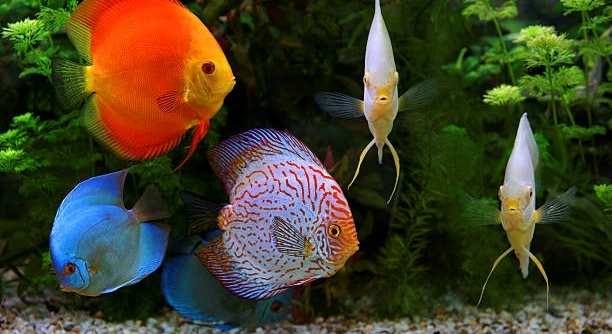
Discus fish are popular aquarium pets known for their vibrant colors and unique behavior. Many owners notice that these fish often ignore new types of food when introduced. This tendency can be frustrating when trying to provide a varied diet.
Discus fish commonly ignore new food due to their natural cautiousness and preference for familiar items. Stress, water conditions, and feeding habits also influence their acceptance of unfamiliar foods. Gradual introduction and consistency help improve feeding response over time.
Understanding why discus fish avoid new foods can improve their care and nutrition. The following information will help you manage their feeding habits more effectively.
Reasons Behind Discus Fish Ignoring New Food
Discus fish have sensitive digestive systems and rely on routine to feel secure. Sudden changes in diet may cause them to reject unfamiliar food, especially if they are stressed or their environment is unstable. Water quality, temperature fluctuations, and tank mates also affect their willingness to eat. If new food has a different texture or smell, discus may hesitate to try it. Feeding too large portions or changing food too quickly can overwhelm them. It is important to introduce new food gradually and consistently while maintaining optimal tank conditions. Patience and careful observation help determine the right approach to expand their diet without causing distress.
Offering a familiar feeding environment and steady water parameters increases the chances of acceptance when new food is introduced.
Establishing a feeding routine can reduce stress and encourage discus fish to explore new foods. Start by mixing small amounts of the new food with their regular diet. This blend helps the fish adjust to changes slowly. Observe their reactions and adjust the proportion over days or weeks. Avoid overfeeding during this period to keep their appetite strong. It may also help to feed at the same time and place daily, creating a reliable routine. Environmental factors like stable temperature and clean water play a role in appetite. Discus that feel secure and unstressed are more likely to try and accept new food types.
How to Successfully Introduce New Food
Consistency is key to gaining acceptance from discus fish when changing their diet.
New food should be offered alongside familiar items in small amounts. This method allows discus to taste without pressure. Avoid sudden or large changes, which can cause refusal. Proper timing and environmental stability support successful introduction.
Patience is necessary when introducing new foods to discus fish. Start by mixing new food with their usual diet in small quantities. Gradually increase the amount over time as the fish become more comfortable. Feeding at regular times helps build a predictable routine, making them more willing to eat. Avoid feeding multiple new items at once, which may confuse or stress them. Also, maintaining optimal water conditions supports their health and appetite. Understanding the fish’s behavior and adapting to their preferences encourages a broader diet and improves overall well-being.
Adjusting Feeding Techniques
Feeding discus fish smaller portions more frequently can encourage them to try new foods. Overfeeding or inconsistent schedules often lead to rejection and stress.
Smaller, more frequent feedings keep discus interested and reduce waste. Offering food multiple times a day allows them to adjust slowly to new tastes and textures without overwhelming their system. Consistent feeding times help build a routine, making fish feel secure and more willing to experiment with unfamiliar items. It is important to observe their behavior and adjust the amount and type of food accordingly.
Using feeding tools like tweezers or placing food in specific tank areas can also help. This targeted approach mimics natural feeding behavior and directs attention to new foods. It limits competition and ensures each fish receives a chance to sample the new items. Patience and consistency with these techniques will improve acceptance over time.
Environmental Influence on Feeding Behavior
Water quality and tank conditions significantly impact discus fish appetite. Poor conditions cause stress, which leads to food refusal.
Maintaining stable temperature, clean water, and proper oxygen levels helps discus feel comfortable and secure. Stress from poor environment reduces their interest in food and increases vulnerability to illness. Regular water changes and monitoring water parameters support healthy feeding habits. Tank mates that are aggressive or competitive may also affect discus willingness to eat, making a calm, peaceful environment crucial for encouraging new food acceptance.
Impact of Stress on Feeding
Stress causes discus fish to become cautious and reject new foods. It lowers their natural appetite and slows digestion.
Reducing stress through stable water conditions and minimal disturbances helps discus feel safe. This increases their willingness to try unfamiliar food and supports better overall health.
Importance of Variety in Diet
Offering a variety of foods is essential for discus nutrition and long-term health. Relying on a single food type can lead to nutrient deficiencies. A balanced diet with protein, vitamins, and minerals strengthens their immune system and enhances color and vitality. Introducing variety gradually reduces food rejection and encourages natural feeding behavior.
Observing Feeding Behavior
Careful observation of feeding habits helps identify preferences and potential issues. Monitoring how discus respond to new food can guide adjustments in feeding strategies.
FAQ
Why do discus fish refuse to eat new food even after several days?
Discus fish are naturally cautious and prefer familiar foods. It may take time for them to adjust to new tastes, smells, and textures. Environmental stress, water quality, or tank mates can also delay acceptance. Gradual introduction with mixed familiar food increases chances of success.
How long should I wait before changing the food again?
Wait at least one to two weeks before trying a different new food. Frequent changes confuse discus fish and cause stress, making them more likely to refuse eating. Consistency during this period helps them develop trust in the new diet.
Can stress from handling or tank maintenance affect feeding?
Yes, stress caused by frequent handling, sudden water changes, or cleaning can reduce appetite. Discus fish need a calm environment with minimal disturbances to feel secure enough to eat. Schedule maintenance carefully and avoid over-handling during feeding transitions.
Is it better to feed frozen, live, or prepared foods?
Each type has benefits. Live foods stimulate natural hunting behavior and are often accepted more readily. Frozen foods offer convenience and safety from parasites. Prepared foods are balanced but may require gradual introduction. Combining all types can provide variety and nutrition.
What signs show my discus fish are not getting proper nutrition?
Look for dull coloration, slow growth, lethargy, and frequent hiding. Poor appetite and weight loss also indicate nutritional issues. These symptoms suggest that diet adjustments or water quality improvements are necessary.
How important is water temperature for feeding behavior?
Water temperature affects metabolism and appetite. Ideal discus temperature ranges between 82°F and 86°F (28°C to 30°C). Too low or too high temperatures can cause stress and reduce interest in food. Maintain stable temperature for consistent feeding habits.
Should I feed discus fish at the same time every day?
Yes, regular feeding times build routine and reduce stress. Discus fish thrive with predictable schedules, which help regulate their digestive system and improve willingness to try new food.
Can tank mates influence discus feeding behavior?
Aggressive or fast-eating tank mates can intimidate discus fish, causing them to avoid feeding. Keeping discus in a peaceful community or species-only tank encourages calm and better food acceptance.
Is it normal for discus to eat less during certain seasons?
Discus fish can reduce feeding during seasonal changes or breeding periods. This behavior is natural and temporary. Monitor their condition closely and maintain water quality to support them during these times.
How can I tell if the food I offer is spoiled or harmful?
Spoiled food smells bad, changes color, or becomes slimy. Feeding poor-quality or contaminated food can cause illness and loss of appetite. Always store food properly, discard expired items, and observe fish reactions after feeding.
Final Thoughts
Discus fish can be challenging when it comes to accepting new food, but understanding their natural behavior helps manage this issue. These fish are sensitive and cautious, relying on routine and familiarity to feel secure. Changes in diet should be introduced slowly and consistently, allowing the fish to adjust without stress. Maintaining stable tank conditions, such as clean water, proper temperature, and peaceful surroundings, plays a crucial role in encouraging healthy feeding habits. Patience is necessary because discus fish take time to adapt to new food types.
Feeding techniques also impact discus willingness to try different foods. Smaller, frequent meals are better than large portions, as they keep the fish interested without overwhelming them. Mixing new food with familiar items reduces hesitation and makes the transition smoother. Observing your fish closely during feeding times will help identify their preferences and reactions. Adjusting food type and feeding schedules based on these observations supports their well-being and promotes acceptance of a varied diet.
Ensuring discus fish receive a balanced and nutritious diet is essential for their health and appearance. Offering a variety of foods gradually prevents nutritional gaps and supports their immune system. Avoid rushing the introduction of new food to reduce stress and refusal. Paying attention to environmental factors, stress levels, and feeding techniques will improve your discus fish’s overall health. With time and consistent care, these fish can expand their diet and maintain their vibrant colors and vitality.

Hello,
If you enjoy the content that we create, please consider saying a "Thank You!" by leaving a tip.
Every little bit helps us continue crafting quality advice that supports the health, happiness, and well-being of pets around the world, for pets of all shapes, sizes, and species.
We really appreciate the kindness and support that you show us!