
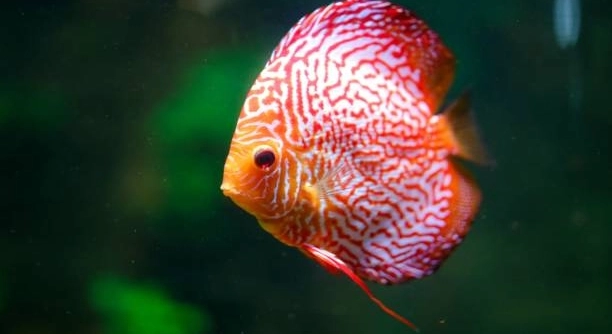
Discus fish are a popular choice for aquarium enthusiasts due to their striking appearance and calm behavior. These vibrant fish stand out with their unique shape and colorful patterns. Many find them fascinating for both their beauty and personality.
Discus fish are distinguished by seven key traits, including their round, flat body shape, intricate color variations, advanced social behaviors, specific water requirements, parental care, slow growth rate, and sensitivity to environmental changes. These features contribute to their uniqueness.
Learning about these traits offers valuable insight for hobbyists and helps improve care practices for these delicate aquatic pets.
Distinctive Body Shape and Color Patterns
Discus fish have a unique round, laterally compressed body that makes them easily recognizable. Their shape is almost like a disc, which allows them to maneuver gracefully through water. This body form also helps them blend well into natural environments like flooded forests and slow-moving rivers. The colors and patterns of discus fish vary widely, with bright hues ranging from blues and reds to greens and yellows. Some display intricate stripes or spots that change slightly with mood or breeding status. These color variations are not only beautiful but also serve social and protective functions. The ability to adapt their appearance helps discus fish communicate with each other and avoid predators. This distinctive combination of shape and color sets discus fish apart from many other freshwater species and adds to their appeal in aquariums.
Their shape and coloration are key identifiers that contribute to their unique presence in tanks and natural habitats.
The patterns and colors of discus fish are not random but follow specific genetic and environmental influences. Changes in water quality, lighting, or stress levels can affect their vibrancy. Healthy discus fish display the richest colors, which indicate good care and proper tank conditions. Breeders often select discus with unique color traits to create new varieties. This ongoing selection has expanded the diversity of discus in captivity, making them a subject of interest for many who keep tropical fish. Understanding these physical characteristics is essential for recognizing discus fish and providing them with an environment where they can thrive and show off their best colors.
Social Behavior and Parental Care
Discus fish are known for their calm and social nature. They often swim in groups, establishing complex social structures within their community.
Discus parents take an active role in raising their young. After spawning, both parents guard and clean the eggs until they hatch. Once the fry emerge, they feed on a special mucus produced on the parents’ bodies. This unique form of parental care ensures a higher survival rate in the wild. The bond between discus fish parents and offspring is strong and rare among aquarium fish. It highlights the species’ need for a peaceful environment and proper care to reproduce successfully.
Providing a tank setup that supports these behaviors helps discus fish maintain their natural instincts and promotes healthier breeding outcomes.
Specific Water Requirements
Discus fish require very stable and clean water conditions. They thrive best in soft, slightly acidic water with temperatures between 82°F and 86°F. Maintaining these parameters is crucial to their health.
Keeping water quality optimal involves frequent water changes and effective filtration. Discus fish are sensitive to ammonia, nitrites, and nitrates, so monitoring these levels regularly is essential. Sudden fluctuations in temperature or pH can stress them, leading to illness. Using a reliable heater and water testing kits helps maintain stability. In addition, discus fish prefer low water hardness, which mimics their natural habitat in the Amazon basin. Keeping these water conditions consistent supports their vibrant coloration and boosts their immune system. Proper care of water parameters is key to keeping discus fish healthy and stress-free in a home aquarium.
A well-maintained tank environment supports discus fish’s delicate physiology and improves their overall longevity. It also encourages natural behavior and breeding.
Slow Growth Rate
Discus fish grow more slowly compared to many other aquarium species. They reach full size after about 12 to 18 months, which requires patience from caretakers.
Their slow growth is partly due to their specific dietary needs and water quality requirements. Discus fish demand high-protein, nutritious food, including live or frozen items like bloodworms and brine shrimp. Proper nutrition helps promote steady growth and vibrant coloration. Feeding them multiple small meals throughout the day encourages digestion and reduces waste. Their slower growth rate means they require long-term commitment and care to reach maturity. This aspect can be challenging for those who expect rapid results but rewarding for those who provide consistent care.
Understanding their growth pace helps in managing expectations and preparing for their care needs over time. Consistent attention to diet and environment fosters healthy development.
Sensitivity to Environmental Changes
Discus fish are highly sensitive to changes in their environment. Sudden shifts in water temperature, pH, or quality can cause stress and illness.
Maintaining stable tank conditions is essential. Even small fluctuations can impact their health, making careful monitoring necessary to ensure their well-being.
Advanced Communication Skills
Discus fish communicate through subtle body movements and color changes. These signals help establish social hierarchy and mating readiness. Observing these behaviors provides insight into their interactions and emotional states. This level of communication is more complex than that of many other freshwater fish.
Unique Feeding Habits
Discus fish prefer a varied diet including live, frozen, and specially formulated pellets. Their feeding behavior reflects their natural preference for small invertebrates and organic matter in the wild. Providing diverse food options supports their nutritional needs and promotes active, healthy fish.
Importance of Tank Size
A spacious tank is vital for discus fish to swim freely and form social groups. Adequate space reduces stress and supports natural behaviors, contributing to overall health and longevity.
FAQ
What is the ideal tank size for discus fish?
Discus fish need a tank of at least 50 gallons for a small group of five or six. They swim in groups, so space is important to reduce stress and allow natural social behavior. A larger tank also helps maintain stable water conditions, which is crucial for their health.
How often should I change the water in a discus tank?
Frequent water changes are necessary, typically 25-50% weekly. This keeps ammonia, nitrites, and nitrates at safe levels. Since discus are sensitive to poor water quality, regular changes support their immune system and vibrant coloration. Using a good filtration system alongside water changes helps maintain balance.
What temperature is best for discus fish?
Discus prefer warm water, ideally between 82°F and 86°F. Stable temperature within this range supports their metabolism and immune function. Avoid sudden drops or spikes, as these can stress the fish and make them prone to disease.
What do discus fish eat?
A varied diet is best, including high-quality pellets, frozen or live bloodworms, brine shrimp, and beef heart mixes. Providing protein-rich foods in small, frequent feedings encourages steady growth and healthy coloration. Avoid overfeeding to prevent water pollution.
Can discus fish live with other fish species?
Discus are peaceful but can be stressed by aggressive or fast-moving tank mates. Compatible species include tetras, dwarf cichlids, and certain catfish that share similar water needs. Avoid fin-nipping or territorial fish that may disturb their calm nature.
How can I tell if my discus fish is healthy?
Healthy discus display vibrant colors, smooth swimming, and active feeding behavior. They keep their fins fully extended and have clear eyes. Signs of illness include faded color, lethargy, clamped fins, or abnormal swimming. Early detection and prompt action improve survival chances.
What are common diseases discus fish face?
Discus are vulnerable to parasites like ich, bacterial infections, and fungal diseases, especially under poor water conditions. Maintaining cleanliness, stable water parameters, and proper nutrition reduces risk. Quarantining new fish before introduction helps prevent disease outbreaks.
How do discus fish care for their young?
Both parents guard and clean the eggs. After hatching, the fry feed on a mucus layer secreted by the parents’ skin for the first few weeks. This parental care is rare and vital for survival. It requires a calm environment to succeed in captivity.
How long do discus fish live?
With proper care, discus fish can live 10 to 15 years. Longevity depends on stable water conditions, balanced diet, and a stress-free environment. Consistent attention to their needs supports their health over time.
Is breeding discus fish difficult?
Breeding requires patience and ideal conditions: clean, warm water, proper nutrition, and low-stress surroundings. Pair bonding and parental care are essential. While not easy, successful breeding is rewarding and helps maintain healthy populations in captivity.
What tank setup works best for discus?
A tank with soft, acidic water, plenty of swimming space, and minimal strong currents suits discus fish. Plants, driftwood, and smooth substrates provide hiding places and mimic their natural environment. Keeping the tank clean and stable is a priority.
Why do discus change color?
Color changes reflect mood, stress levels, breeding readiness, or health. Bright colors usually indicate well-being, while dull or darkened colors signal stress or illness. Watching these changes can help detect problems early and adjust care accordingly.
How important is water pH for discus?
Discus prefer slightly acidic water with a pH between 6.0 and 7.0. Maintaining this range supports their metabolic functions and comfort. Sudden shifts or incorrect pH can stress the fish and cause health issues.
What filtration system is recommended for discus tanks?
A high-quality filtration system that provides biological, mechanical, and chemical filtration is necessary. It should maintain excellent water quality without creating strong currents. Canister filters or sponge filters are common choices. Regular maintenance is key.
Can discus fish tolerate low oxygen levels?
Discus require well-oxygenated water. Low oxygen levels cause stress and may lead to disease. Proper aeration through surface agitation or air stones supports their respiratory needs.
How do I introduce new discus fish to an established tank?
Quarantine new fish for at least two weeks to prevent disease spread. Introduce them slowly to reduce stress, ideally during low activity times. Monitor interactions carefully to avoid aggression.
What is the best lighting for discus tanks?
Moderate lighting enhances discus coloration and supports plant growth if live plants are used. Avoid overly bright lights, which may stress the fish. A natural day-night cycle is ideal.
How can I reduce stress in discus fish?
Maintain stable water parameters, provide enough space, keep compatible tank mates, and avoid sudden changes. Gentle handling and a calm environment help discus stay healthy.
Are discus fish suitable for beginners?
Due to their sensitivity and care requirements, discus are best for aquarists with some experience. They need stable conditions, frequent maintenance, and careful feeding. Beginners willing to learn and commit can succeed with proper preparation.
Final Thoughts
Discus fish stand out among freshwater aquarium species due to their unique traits and specific care requirements. Their vibrant colors, distinct shape, and calm behavior make them attractive to many fish keepers. However, they need stable water conditions, a balanced diet, and a stress-free environment to thrive. Paying close attention to water quality and temperature is essential for their health. Their sensitivity means that even small changes can affect their well-being. This makes discus fish both fascinating and challenging to keep, requiring consistent care and patience.
Their slow growth and advanced social behavior also make discus fish different from many other aquarium fish. They grow gradually over a year or more, which demands long-term commitment from caretakers. Their communication through color shifts and body language adds complexity to observing their behavior. Additionally, discus fish show remarkable parental care, protecting and feeding their young in ways not often seen in other fish species. These traits highlight the need for a carefully managed environment that supports their natural behaviors and needs.
Owning discus fish can be very rewarding but is not a casual hobby. It requires learning and adapting to their requirements. A well-maintained tank, proper feeding routines, and understanding their social dynamics improve their chances of living a long, healthy life. Those willing to provide this care will find discus fish to be fascinating and beautiful additions to their aquariums. Their uniqueness and delicate nature make them special, reflecting the diversity and complexity of aquatic life. Proper care ensures their continued health and vibrant presence in home tanks.

Hello,
If you enjoy the content that we create, please consider saying a "Thank You!" by leaving a tip.
Every little bit helps us continue crafting quality advice that supports the health, happiness, and well-being of pets around the world, for pets of all shapes, sizes, and species.
We really appreciate the kindness and support that you show us!