
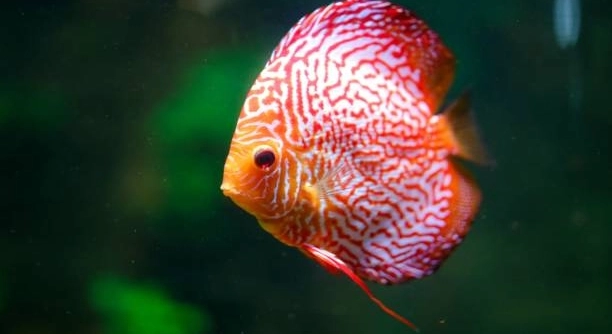
Filming discus fish can be both rewarding and challenging. Capturing their unique colors and graceful movements requires some careful planning and technique. This article offers practical advice to improve your discus footage.
The key to filming beautiful discus footage lies in proper lighting, stable camera work, clear water conditions, and patience to capture natural fish behavior. These elements combined help produce sharp, vibrant, and engaging videos.
Improving your filming skills will make your discus footage more enjoyable to watch and easier to share with others who appreciate these stunning fish.
Choosing the Right Lighting
Good lighting is essential for capturing the true colors of discus fish. Natural light works best, but it can be hard to control. Soft, diffused lighting helps reduce glare and harsh shadows. Using LED aquarium lights with adjustable brightness and color temperature can enhance the fish’s appearance without stressing them. Avoid direct sunlight as it can cause unwanted reflections and algae growth. Position your lights so that they highlight the fish from the side or above, creating a balanced look. Experiment with different setups to find what works best for your tank. Proper lighting not only improves color accuracy but also makes the footage more visually appealing. Keep in mind that discus fish prefer moderate lighting, so avoid very bright lights that may disturb their natural behavior.
Lighting plays a crucial role in maintaining a natural environment while filming. Soft, even illumination will ensure clear and vibrant images without startling the fish.
Once the lighting is set, consider how reflections on the glass can affect your footage. Cleaning the tank glass inside and out helps reduce spots and smudges. Using a polarizing filter on your camera can minimize reflections and glare from the water surface. Position your camera at an angle that avoids catching bright light sources directly. Additionally, keeping the room dimmer than the tank area helps the fish stand out more clearly. These small adjustments can make a big difference in the overall quality of your video.
Stabilizing Your Camera
A steady camera is key to smooth and professional-looking footage. Handheld filming often results in shaky images, which can be distracting. Using a tripod or a stable mount is the best way to keep your camera still. If you don’t have a tripod, placing the camera on a solid surface can help reduce movement. Consider using a remote shutter or timer to avoid touching the camera during recording. Stabilization also helps maintain focus on the fish, which often move quickly. Smooth pans and slow zooms work better than sudden movements. Stabilized footage makes it easier to see the discus’s details and colors clearly.
Stable filming produces clearer and more enjoyable videos by reducing unnecessary motion and keeping the focus on the fish.
For those using smartphones or smaller cameras, image stabilization features built into the device can assist. However, external stabilization tools are still preferable for the best results. Practice steady hand movements if you need to film without support, but avoid fast or jerky motions. Setting the camera to a higher frame rate can also help in post-editing for smoother playback. Always prioritize keeping the camera steady to capture your discus fish in their best light.
Clear Water Conditions
Clean water is vital for sharp and vibrant discus footage. Cloudy or murky water hides details and dulls colors. Regular water changes and good filtration help maintain clarity. Avoid overfeeding to reduce waste buildup, which can cloud the tank.
Keeping the water crystal clear requires patience and consistency. Test the water parameters often to ensure optimal conditions. Using activated carbon or other filtration media can remove impurities and odors. Also, avoid disturbing the substrate too much when filming, as this can stir up particles. Clear water allows the camera to focus better and shows the discus in their natural beauty. Proper maintenance of the tank will benefit both your footage and the health of the fish.
When filming, avoid splashing or shaking the tank, which can create bubbles and particles. Position your camera lens close enough to the glass to reduce reflections but not too close to risk smudges or water drops. A clean tank and calm environment set the stage for capturing crisp and colorful discus footage that truly stands out.
Patience and Timing
Discus fish often move slowly but unpredictably. Waiting for the right moment to capture their best angles is important. Avoid rushing the process or disturbing the fish.
Watching the fish for a while before filming helps you understand their behavior and favorite spots. Early morning or late evening when they are more active can offer better shots. Be quiet and avoid sudden movements to keep them calm. Capturing natural interactions and gentle glides shows their beauty without stress. Sometimes, longer filming sessions are necessary to get the perfect clip.
Timing your shots also means considering tank lighting schedules and feeding times. Filming right after feeding can bring out bright colors but may cause frantic swimming. Planning your session around these natural rhythms enhances the quality of your footage while respecting the fish’s comfort and environment.
Using the Right Camera Settings
Choosing the correct camera settings is important for clear discus footage. Use a fast shutter speed to capture quick movements without blur. A higher ISO can help in low light, but too high may add noise. Adjust the white balance to keep colors accurate.
Manual focus often works better than autofocus since discus move unpredictably. Set your aperture to a medium range for a good depth of field. Experiment with different settings before filming to find what suits your tank’s lighting and conditions best.
Filming Angles Matter
Filming discus from different angles reveals their shape and color variations. Side views show their full body and pattern, while slight angles add depth. Avoid filming straight through reflections or glare.
Keeping the Tank Calm
A calm tank helps capture natural fish behavior. Avoid tapping on the glass or sudden movements near the tank. This keeps the discus relaxed and swimming gracefully, making your footage more natural and pleasing.
FAQ
How do I avoid reflections when filming discus fish?
Reflections can be distracting in your footage. To reduce them, film at an angle rather than straight on. Clean both the inside and outside of the tank glass thoroughly. Using a polarizing filter on your camera lens can help cut down glare. Also, dimming the room lights while keeping the tank well-lit will make the reflections less noticeable.
What camera is best for filming discus fish?
A camera with good low-light performance and manual controls is ideal. DSLRs and mirrorless cameras offer flexibility with settings like shutter speed, aperture, and ISO. Many modern smartphones also perform well, especially if they have image stabilization and manual mode options. Choose a camera that lets you adjust focus and exposure easily.
How important is lighting for discus filming?
Lighting is critical. It shows the true colors and details of your discus. Soft, diffused lighting works best to avoid harsh shadows and glare. Avoid direct sunlight or overly bright lights, as they can stress the fish and cause unwanted reflections. Aquarium LED lights with adjustable settings allow you to control the look of your footage.
Can I film discus fish at any time of day?
Discus tend to be more active at certain times, often early morning or late afternoon. Filming during these times can capture natural swimming and feeding behaviors. Avoid filming when the tank lights are off or when the fish are resting. Patience is key—sometimes it takes waiting for the right moment.
How do I keep the tank water clear for filming?
Regular water changes and good filtration are essential for clear water. Avoid overfeeding, which causes waste buildup. Using activated carbon or other filtration media helps remove impurities. Also, clean the tank glass regularly. Calm water makes focusing easier and results in better footage.
Should I use autofocus or manual focus?
Manual focus is usually better for filming discus because they move unpredictably. Autofocus can struggle with reflections and water movement. Set your focus ahead of time on the area where the fish swim most often. This helps keep them sharp and clear in the video.
How do I film smooth movement?
Use a tripod or stable surface to hold your camera steady. Avoid handheld filming, which causes shaky footage. If you need to move the camera, do so slowly and smoothly. Using a gimbal or stabilizer can help if you have one. Smooth footage highlights the discus’s graceful swimming.
What settings should I use for shutter speed?
A fast shutter speed, around 1/250 or higher, helps freeze quick movements and prevents blur. If your lighting is low, you may need to increase ISO to keep a fast shutter speed, but be cautious of added noise. Experiment to find the best balance for your setup.
How close should I place the camera to the tank?
Place the camera close enough to avoid capturing reflections but not so close that it touches the glass or disturbs the fish. About a few inches away is usually good. Use a lens with a macro or close-focus feature to capture fine details without getting too near.
Can I film discus during feeding?
Yes, feeding time often brings out bright colors and activity. However, fish may swim quickly and erratically, making filming harder. Be patient and take multiple shots to capture the best moments. Avoid overfeeding, as leftover food can cloud the water.
Is it better to film with natural light or artificial light?
Both can work well, but artificial lighting gives you more control. Natural light changes throughout the day and can create unwanted glare or shadows. LED aquarium lights are great for maintaining consistent lighting and highlighting colors effectively.
How do I keep the discus calm during filming?
Avoid sudden movements or loud noises near the tank. Filming from a distance helps reduce stress. Keeping the environment stable with consistent lighting and temperature also helps the fish feel safe and behave naturally.
What video resolution and frame rate should I use?
Shoot in at least 1080p for clear, detailed footage. Higher resolutions like 4K offer even better quality but require more storage. A frame rate of 30fps is standard, but 60fps can help capture smoother motion, especially if you plan to do slow-motion edits.
Can I use slow motion to highlight discus movement?
Yes, slow motion can emphasize their graceful swimming and color changes. To do this, film at a higher frame rate (like 60fps or more) and play it back slower. Make sure you have enough light, as higher frame rates require faster shutter speeds and more light to avoid dark footage.
How do I handle bubbles or particles in the water?
Bubbles and floating particles distract from clear images. Avoid stirring the water before filming and allow bubbles to settle. Use filtration and gentle water flow to minimize particles. Clean the tank glass well to reduce smudges and debris.
Is post-editing necessary for discus footage?
Basic editing can improve your videos by adjusting brightness, contrast, and color balance. Trimming unnecessary parts keeps the footage engaging. Avoid over-editing, as it can make the video look unnatural. Simple adjustments highlight the discus without losing authenticity.
Filming discus fish can be a rewarding experience when done with care and attention to detail. The key elements such as good lighting, steady camera work, and clear water all come together to make your footage stand out. Taking time to understand your fish’s behavior and environment helps you capture natural and beautiful moments. Remember that patience plays a big role; rushing the process usually leads to poor results. By following basic tips and practicing regularly, anyone can improve their skills and create pleasing videos of these stunning fish.
It is important to keep the discus comfortable during filming. Avoid bright or harsh lighting and sudden movements near the tank, as these can stress the fish. Clear water is not only better for filming but also essential for the health of your discus. Regular maintenance of the aquarium, like cleaning the glass and changing the water, benefits both your fish and the quality of your video. Using the right camera settings, such as manual focus and a fast shutter speed, helps capture sharp images without blur. Stability is another key factor; a tripod or steady surface prevents shaky footage and highlights the discus’s smooth swimming.
Lastly, practice and observation will improve your filming over time. Experiment with different angles, lighting setups, and camera settings to find what works best for your specific tank. Watching your discus before filming gives you a better idea of when and where to record. Small adjustments can make a big difference in the final video quality. Keeping your setup simple and consistent reduces stress for both you and your fish. With care and patience, your discus footage will become clearer, more colorful, and more enjoyable to watch.

Hello,
If you enjoy the content that we create, please consider saying a "Thank You!" by leaving a tip.
Every little bit helps us continue crafting quality advice that supports the health, happiness, and well-being of pets around the world, for pets of all shapes, sizes, and species.
We really appreciate the kindness and support that you show us!