
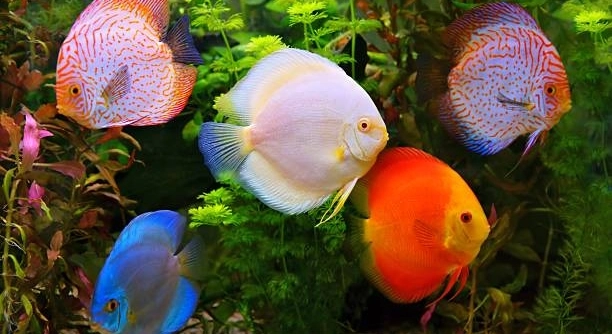
Are your discus fish showing strange behavior during breeding, like refusing to spawn or eating their eggs right after laying them?
Discus breeding problems are often caused by environmental stress, poor water quality, or mismatched pairs. Identifying the exact issue and making small, targeted changes can greatly increase the chances of successful spawning and healthy fry.
Each issue comes with its own signs and solutions, and learning to spot them early makes a big difference in your fish’s success.
Parents Eating the Eggs
Discus fish sometimes eat their eggs right after spawning. This can be frustrating, especially if you’ve spent time preparing the tank and caring for the pair. One major cause is stress, which may come from poor water conditions, loud noises, or frequent movement near the tank. Inexperienced pairs also tend to do this until they become more comfortable with spawning. It’s also possible that the parents sense the eggs are not viable and decide to remove them. Providing a calm, clean, and stable environment is essential. Use a dim light, keep tank traffic low, and avoid sudden changes. Make sure the breeding pair is healthy and well-fed before spawning. Some breeders use a divider or remove the eggs to hatch them artificially using methylene blue and an air stone. This gives the eggs a chance to survive while allowing the parents time to mature and learn to care for their future spawn properly.
This behavior usually lessens over time as the pair gains experience. They need a peaceful space to feel safe enough to raise their fry.
If your pair continues eating eggs after multiple attempts, try using a tank divider so they can still see the eggs without being able to reach them. This can reduce stress while encouraging protective behavior.
Unfertilized Eggs
Unfertilized eggs usually turn white within a day and grow fuzzy due to fungus. This happens when the male doesn’t fertilize them properly or if the water is too cold.
Discus eggs require a consistent temperature between 82°F and 86°F for proper fertilization and development. If the water gets too cold or fluctuates, fertilization rates drop. It’s also important to make sure your breeding pair is actually a male and a female—some same-sex pairs can form and go through spawning behavior, but their eggs won’t ever be fertile. Water flow can also play a role. If there is too much current, the male may not reach all the eggs with his milt. A gentle sponge filter is ideal for breeding tanks. Some breeders also adjust water hardness and pH to create the right conditions for successful fertilization. Typically, a pH between 6.0 and 6.5 and soft water is best. Watching closely during spawning can help you spot if the male is properly passing over the eggs after the female lays them.
Aggressive Behavior Between the Pair
Aggression between breeding discus often starts when one fish is more dominant or when the tank setup causes stress. A lack of space, poor water quality, or inexperience can lead to chasing, biting, and fin damage.
In some cases, the aggression is temporary and stops once the pair settles into the breeding process. Providing a spacious tank of at least 20 gallons for the pair can reduce tension. Keep the environment calm with dim lighting and a sponge filter. If fighting continues, try using a tank divider with holes to allow interaction without direct contact. This gives the fish time to bond without injury. Watch for signs of long-term stress or damage, like hiding or torn fins. If necessary, separate them and give them time to rest before trying again. Not every pair is compatible, so rotating partners may be needed.
Aggressive behavior also increases when fish feel unsafe. Make sure the tank is in a quiet area and free of sudden movement. Avoid placing the tank near doors, TVs, or high-traffic spots. Feeding a high-quality diet with protein-rich foods can also help reduce tension and improve overall health. Consistency in tank maintenance and routine can go a long way in calming nervous or aggressive fish.
Fungus on Eggs
Fungus often appears on unfertilized or damaged eggs. It spreads quickly and can ruin the entire batch if not addressed. Poor water quality and low oxygen levels create the perfect environment for it to thrive.
One of the easiest ways to prevent fungus is by using methylene blue in a separate hatching container or directly in the tank if the parents are removed. This dye reduces fungal growth without harming the eggs. Keep an air stone nearby to ensure proper water movement and oxygen flow. If you leave the eggs with the parents, make sure they are fanning the eggs regularly—this helps keep the water clean around them. A clean tank is critical. Wipe down surfaces, perform regular water changes, and use a sponge filter. Also, check that temperature, pH, and hardness are within range. If fungus appears, remove the infected eggs immediately to prevent spreading.
Eggs Disappearing Overnight
Eggs disappearing overnight usually means the parents have eaten them. This often happens when they feel stressed or insecure in their environment. Sudden light changes or tank disturbances can also trigger this behavior.
Some discus eat their eggs if they sense something is wrong, like poor egg quality or danger. Using a divider or moving the eggs to hatch artificially can help.
Poor Fry Survival
Fry often die shortly after hatching due to poor water quality, unstable temperatures, or lack of parental care. Clean, stable water with consistent parameters is key. The fry need to attach to the parents’ mucus-coated skin to feed during their first few days. If this doesn’t happen, they will quickly weaken. Avoid overfeeding the parents during this time, as leftover food affects water quality. Use sponge filters for gentle circulation. Make sure lighting is soft and constant, as fry use light to navigate. If the pair doesn’t care for the fry, you may need to raise them separately with special fry food and frequent water changes.
Parents Not Attending Eggs
Some pairs ignore their eggs completely, especially if they are inexperienced or feel unsafe. Dim lighting, low noise, and stable water conditions help encourage proper parental care.
FAQ
Why do discus fish eat their eggs?
Discus may eat their eggs when they feel stressed or unsafe. This can happen if the tank is in a noisy area, water conditions are poor, or there’s too much activity nearby. Inexperienced pairs also tend to do this. Some fish eat unfertilized or unhealthy eggs to keep the spawning site clean. Over time, many pairs grow out of this behavior once they feel more secure and gain more spawning experience. Creating a stable, quiet tank setup and ensuring proper tank parameters can reduce this issue. Using a divider or removing eggs for artificial hatching are also common solutions.
How can I tell if my discus eggs are fertilized?
Fertilized discus eggs are usually a golden or amber color and stay clear. Within the first 24–48 hours, you may see small black dots inside, which are the developing eyes of the fry. Unfertilized eggs turn white and may develop a fuzzy appearance due to fungus. Watching the behavior during spawning helps too—if the male doesn’t pass over the eggs properly, fertilization is unlikely. If all the eggs turn white, consider checking the water temperature, tank setup, and whether your breeding pair is actually male and female.
How long do discus eggs take to hatch?
Discus eggs hatch in about 48 to 60 hours, depending on water temperature. Warmer water speeds up the process slightly. Once hatched, the fry will remain attached to the spawning surface for a few more days, absorbing their yolk sacs. After that, they become free-swimming and will look for the parents’ bodies to feed off their mucus. Consistent temperature, soft water, and proper pH help ensure successful hatching. Avoid disturbing the tank during this time.
What temperature is best for discus breeding?
The ideal temperature for breeding discus is between 82°F and 86°F (28°C–30°C). This range helps promote successful spawning and proper development of the eggs and fry. Temperatures that are too low can slow development or stop the breeding process entirely. Use a reliable heater and thermometer to maintain stable warmth. Sudden drops or spikes in temperature can cause stress and lead to breeding failures or egg loss.
Can I keep other fish in the tank during breeding?
It’s best not to keep other fish in the breeding tank. Discus become territorial and easily stressed when breeding. Tank mates may cause distractions or eat the eggs and fry. A bare-bottom tank with only the breeding pair works best. This setup also makes it easier to keep the water clean and monitor behavior. Once the fry are grown and independent, they can be moved to a community tank.
What should I feed discus during breeding?
Feed the breeding pair a high-protein diet with variety—frozen bloodworms, beef heart, brine shrimp, and high-quality pellets work well. A good diet improves health, energy levels, and fertility. Avoid overfeeding, especially after the eggs are laid, to prevent water quality from dropping. Feed small amounts twice daily and remove uneaten food.
When should I remove the fry from the parents?
Fry can usually stay with the parents for up to three weeks. During this time, they feed on the parents’ skin mucus. Once they begin eating finely crushed flakes or specialized fry food, you can move them to a separate grow-out tank. Remove them earlier if the parents begin to show stress or if aggression starts. Keep the new tank clean, warm, and well-aerated. Feed fry 3–4 times a day in small portions and do frequent water changes.
Final Thoughts
Breeding discus fish can be both rewarding and challenging. While it may seem frustrating at times, most issues can be managed with the right setup and a little patience. Many of the problems people face—like eaten eggs, fungus, or fry not surviving—are common and often caused by stress, water issues, or inexperience. Creating a quiet, clean, and stable environment is one of the best ways to support your discus through the breeding process. With time, many pairs improve their parenting skills and become more reliable with each spawning attempt.
Paying attention to the small details can make a big difference. Things like lighting, water flow, and tank location all play a role. A sponge filter helps keep the water clean without creating strong currents, while dim lighting helps the fish feel safe. Avoid sudden changes in temperature or water quality. Keep the breeding tank simple—no gravel, few decorations, and only the breeding pair. This makes it easier to clean and monitor everything. If needed, you can also step in and raise the eggs or fry yourself, using artificial hatching methods. These tools give breeders more control over the outcome, especially when pairs struggle.
Even experienced breeders deal with setbacks, so it’s important not to feel discouraged. Discus fish are sensitive and take time to settle into the breeding routine. Each pair is different, and some will need more tries before they succeed. By keeping notes and learning from each attempt, you can improve your success rate over time. It’s also helpful to connect with other discus keepers, as they often have useful tips based on real experience. Breeding discus takes effort and consistency, but with care and observation, most problems can be solved. Watching the fry grow and thrive makes the process feel worth it.

Hello,
If you enjoy the content that we create, please consider saying a "Thank You!" by leaving a tip.
Every little bit helps us continue crafting quality advice that supports the health, happiness, and well-being of pets around the world, for pets of all shapes, sizes, and species.
We really appreciate the kindness and support that you show us!