
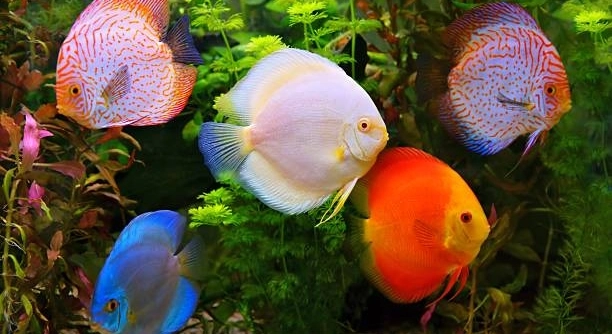
Discus fish are popular freshwater aquarium pets known for their bright colors and graceful movements. Many owners admire their beauty but may not be aware of the unique behaviors and abilities these fish display. They are more complex than they appear at first glance.
Discus fish exhibit several surprising traits, including intricate social behaviors, advanced parental care, and adaptive feeding techniques. These abilities demonstrate their ecological adaptability and intelligence, which contribute to their popularity and success in captive environments.
Understanding these lesser-known characteristics can enhance the care and appreciation of discus fish. This article highlights seven fascinating aspects that will deepen your knowledge of these remarkable aquatic creatures.
Unique Social Behaviors
Discus fish are known for their complex social interactions, which go beyond simple schooling. They often form close bonds with certain tank mates and exhibit territorial behavior to establish social hierarchies. These fish communicate using subtle body movements and changes in color to signal mood and intentions. For example, they may flare their fins or adjust their posture during encounters with other discus. This behavior helps reduce conflict and maintain group cohesion. Observing their interactions can reveal how they establish roles within the group. These social patterns are essential for their well-being, especially in captive environments where space is limited. Understanding these behaviors can improve how hobbyists set up tanks and manage discus communities, promoting healthier, less stressed fish.
Discus fish rely on body language to communicate and organize their groups effectively, contributing to their survival and comfort.
Incorporating these social behaviors into aquarium management supports the natural instincts of discus fish. It is important to provide enough space and compatible tank mates to allow them to form these bonds and avoid stress-related issues. The complexity of their social life makes them more than just colorful pets; it shows how intricate their interactions are in maintaining a balanced environment. This knowledge helps keep discus fish healthier and happier in captivity.
Advanced Parental Care
Discus fish exhibit one of the most unique forms of parental care among freshwater fish. Both parents are actively involved in protecting and nurturing their offspring. After the eggs hatch, the fry feed on a special mucus layer secreted by the parents’ skin. This mucus is rich in nutrients, allowing the young to grow in their early stages. Parents also guard the fry closely, moving them around the tank to avoid predators or stressful conditions. This level of care is rare in fish and highlights the strong parental instincts of discus. Observing this behavior offers insight into their biology and enhances appreciation for their natural habits in the aquarium setting. It also emphasizes the importance of a stable environment to support breeding and raising fry successfully.
Adaptive Feeding Techniques
Discus fish adjust their feeding habits based on the environment and food availability. They prefer live or frozen foods but will also accept pellets and flakes when introduced gradually. Their feeding behavior can change during breeding or stress periods.
This adaptability in diet makes discus fish more resilient in captivity. They often pick food slowly and selectively, sometimes grazing on biofilm or algae in the tank. Providing a varied diet ensures they receive necessary nutrients, which supports their health and coloration. Feeding schedules should consider their natural patterns, such as smaller, frequent meals instead of one large feeding. Understanding these habits helps maintain their vitality and reduces food waste in the aquarium.
Tank owners must monitor feeding carefully, as overfeeding can lead to poor water quality. Observing how discus respond to different foods allows better customization of their diet, improving growth and longevity. Feeding should be consistent but flexible to match their natural instincts.
Color Change Communication
Discus fish use color changes as a form of communication within their group. These changes can indicate mood, stress, or readiness to breed. Bright colors often signal health and dominance, while dull or dark colors can show discomfort or submission.
Color changes happen rapidly and are subtle, making them an important behavior to observe closely. During social interactions, color shifts help prevent aggression by signaling intentions. Stress from poor water conditions or illness also triggers color fading, acting as an early warning sign. Breeding pairs show distinct color patterns to attract mates and strengthen bonds. Recognizing these signals allows better care and understanding of their emotional state.
Maintaining stable water quality and minimizing stress helps discus display vibrant colors. Attention to these visual cues can guide tank management and promote a peaceful environment. Monitoring color changes supports timely interventions when health issues arise, ensuring discus fish remain active and healthy.
Sensitivity to Water Conditions
Discus fish are highly sensitive to changes in water quality. Even minor fluctuations in temperature or pH can affect their health. Maintaining stable, clean water is essential for their well-being.
Regular testing and water changes help prevent stress and disease. Proper filtration and gentle water flow support their natural environment and keep them comfortable.
Remarkable Memory
Discus fish can recognize individual tank mates and remember their social interactions. This ability helps them maintain social hierarchies and avoid repeated conflicts. Their memory supports group stability and reduces stress by creating predictable social environments.
Unique Swimming Patterns
Discus fish display slow, graceful swimming with frequent pauses. This style conserves energy and reduces stress. Their movements also help in social signaling and territory marking, making their swimming behavior an essential part of their daily life.
FAQ
How often should I feed discus fish?
Discus fish do best with small, frequent feedings. Feeding them 2 to 3 times a day helps mimic their natural eating habits. Offering smaller portions prevents overfeeding, which can harm water quality and stress the fish. Variety in their diet also supports their health.
What is the ideal water temperature for discus?
Discus thrive in warm water, ideally between 82°F and 86°F (28°C to 30°C). Keeping the temperature steady within this range reduces stress and supports their immune system. Sudden temperature changes should be avoided as they can weaken discus and make them prone to disease.
Can discus fish live with other species?
Discus are peaceful but can be territorial with tank mates. They do best with other calm, non-aggressive species that thrive in similar water conditions. Suitable companions include certain tetras, corydoras catfish, and dwarf cichlids. Avoid aggressive or fast-moving fish that may stress discus.
How do I know if my discus is stressed?
Signs of stress in discus include faded colors, clamped fins, hiding, and loss of appetite. Stress can result from poor water quality, overcrowding, or sudden changes in environment. Monitoring their behavior daily helps catch stress early. Addressing water issues or reducing tank population can improve their condition.
What causes discus fish to lose color?
Color loss often signals stress, illness, or poor water conditions. Insufficient nutrition can also dull their appearance. Ensuring a balanced diet, stable water parameters, and a calm environment encourages vibrant colors. Regular water testing and proper filtration are key to preventing color fading.
Are discus fish difficult to breed?
Breeding discus requires a stable environment with excellent water quality and proper nutrition. Pairs form strong bonds and show unique parental care, but breeding success depends on experience and conditions. Patience and careful observation improve the chances of raising healthy fry.
Why do discus secrete mucus for their fry?
Discus parents produce a special mucus on their skin that provides essential nutrients for their fry. This behavior is rare and shows advanced parental care. The fry feed on this mucus until they can eat other foods, helping them grow safely in the early stages.
How can I reduce aggression in discus tanks?
Providing enough space, hiding spots, and compatible tank mates reduces aggression. Keeping groups larger than six individuals helps spread dominance and lowers fighting. Avoid overcrowding and sudden changes in tank setup, as these increase stress and territorial disputes.
What is the best tank size for discus fish?
A minimum of 50 gallons is recommended for a small group of discus, with more space needed for larger groups. Ample swimming room and stable water conditions are crucial. Overcrowding increases stress and health risks, so planning tank size based on the number of fish is important.
Can discus fish recognize their owners?
Discus can learn to recognize their owners by sight and associate them with feeding. This recognition is part of their social intelligence and can make them more interactive. Regular, gentle interaction helps build trust, reducing their shyness and encouraging natural behaviors.
How do discus fish communicate without sounds?
Discus rely on body language and color changes to communicate. Movements like fin flaring, posturing, and shifting colors convey moods and intentions. These visual signals prevent unnecessary fights and help maintain social order within the group.
Is it necessary to quarantine new discus fish?
Quarantining new fish before adding them to the main tank helps prevent disease spread. A quarantine period of at least two weeks allows observation for parasites or infections. This practice protects established discus populations and supports overall tank health.
What are common diseases discus fish face?
Discus are vulnerable to parasitic infections, bacterial diseases, and fungal growth when stressed or exposed to poor water conditions. Common issues include hole-in-the-head disease and ich. Maintaining high water quality and a balanced diet reduces the risk of illness.
How often should water be changed for discus tanks?
Frequent water changes, about 25-50% weekly, are necessary to keep discus healthy. Regular changes remove toxins, replenish minerals, and stabilize water parameters. Neglecting water maintenance can lead to stress, poor coloration, and disease outbreaks.
What types of food are best for discus fish?
A mix of high-quality pellets, frozen or live foods such as bloodworms, brine shrimp, and beef heart is ideal. This variety ensures they receive essential nutrients. Avoid relying solely on dry foods, as discus benefit from protein-rich sources for growth and color development.
Final Thoughts
Discus fish are fascinating creatures that offer much more than just their striking appearance. Their behaviors, such as color changes and unique feeding habits, reveal an adaptability that many may not expect. Understanding these traits helps aquarists provide the best care possible. Stable water conditions, proper diet, and attention to their social dynamics are key factors in keeping discus healthy and vibrant. Their sensitivity to the environment means small changes can have significant effects, so consistent tank maintenance is crucial. Recognizing their subtle communication methods also enhances the overall experience of keeping discus.
Caring for discus requires patience and a commitment to learning. While they can be challenging due to their specific needs, the rewards include observing their complex behaviors and beautiful displays of color. Creating a calm, stable tank environment promotes their well-being and encourages natural behaviors like breeding and social interaction. Feeding them a varied diet supports their growth and coloration. By paying close attention to their signals, owners can identify health or stress issues early. This attentive care leads to a more harmonious and healthy aquarium.
The discus fish’s unique qualities make them a popular choice among freshwater hobbyists. Their elegance and gentle nature add a special element to any aquarium. However, success with discus depends on understanding their particular requirements and respecting their sensitivity. With proper care, discus can live long, healthy lives, rewarding keepers with their beauty and engaging behavior. This knowledge allows for a deeper appreciation of discus fish beyond their appearance, making them a satisfying species to keep in home aquariums.

Hello,
If you enjoy the content that we create, please consider saying a "Thank You!" by leaving a tip.
Every little bit helps us continue crafting quality advice that supports the health, happiness, and well-being of pets around the world, for pets of all shapes, sizes, and species.
We really appreciate the kindness and support that you show us!