
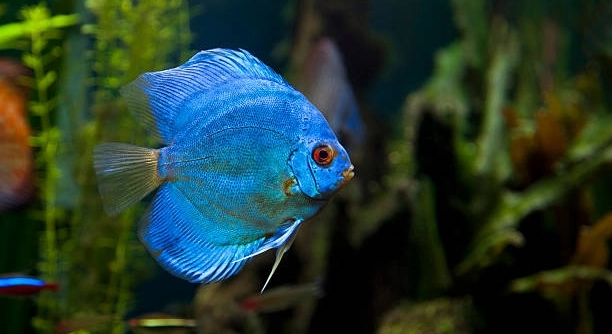
Discus fish are known for their vibrant colors and unique shape, but they can easily become nervous in new or stressful environments. Keeping them calm is important for their health and overall well-being. Many fishkeepers seek effective ways to reduce their discus fish’s anxiety.
Calming a nervous discus fish involves creating a stable environment with consistent water conditions, minimal sudden movements or loud noises, proper tank setup including hiding spots, and gentle handling. Stress reduction techniques such as dim lighting and slow feeding can significantly improve their comfort.
These simple but effective ideas will help you create a peaceful habitat for your discus fish and improve their quality of life in your aquarium.
Create a Stable Environment for Your Discus Fish
Discus fish thrive best when their environment remains consistent. Sudden changes in water temperature, pH, or hardness can cause stress and make them nervous. Keeping the water clean and stable helps them feel secure. It is important to perform regular water tests and partial water changes to maintain quality. Avoid overcrowding the tank, as this increases competition and stress. Providing proper filtration and aeration ensures oxygen levels stay adequate. Using a heater can help keep the temperature steady between 82°F and 86°F. Adding live plants or decorations offers hiding places, giving your discus fish a sense of safety. These elements combined create a calm and inviting habitat, which reduces nervous behavior. Being mindful of these details helps your discus fish adapt more easily and enjoy a healthier, less stressful life in your aquarium.
Maintaining water stability and a peaceful tank setup is key to calming nervous discus fish.
Lighting, temperature, and tank size all influence how comfortable your discus feels. Consistent conditions prevent unnecessary stress and support their natural behavior.
Minimize Sudden Movements and Loud Noises
Discus fish are sensitive to their surroundings. Quick movements near the tank or loud noises can startle them, triggering stress responses. Avoid tapping on the glass or sudden shadows. When feeding or cleaning, move slowly and gently to prevent alarming the fish. Loud household noises, like vacuum cleaners or music, can also affect them. Placing the tank in a quiet area helps reduce disturbances. Keeping a calm atmosphere allows discus fish to feel safe and less anxious. Over time, they will become more relaxed and easier to observe. This method requires patience but results in better fish health and behavior. Calm fish are more likely to eat well and show their vibrant colors.
Slow, gentle actions and a quiet environment help keep discus fish calm and stress-free.
Provide Proper Tank Setup and Hiding Spots
Discus fish need places to hide to feel safe. Plants, caves, or decorations offer shelter. Without hiding spots, they may become more nervous and stressed.
Adding live plants or smooth decorations creates natural hiding places. Plants like Amazon swords or java fern work well. These spots give your discus refuge when they feel threatened or overwhelmed. It also reduces visible stress behaviors like darting or hiding at the bottom. Be sure the tank layout leaves enough open swimming space, as discus also need room to move comfortably. Balancing open areas and hiding places is key to keeping your fish calm and content.
Hiding spots simulate their natural habitat, promoting natural behavior and reducing stress. It also helps with their overall comfort in the tank.
Use Gentle Handling and Slow Feeding Techniques
Handling discus fish should be done with care to avoid causing stress or injury. When moving or cleaning the tank, approach the fish calmly and avoid sudden grabs. Use a soft net to gently catch them if necessary, minimizing time out of the water. Feeding should be slow and consistent to encourage eating without spooking them. Scatter food evenly to reduce competition and prevent frantic behavior. Feeding smaller amounts more frequently can improve their digestion and reduce anxiety around feeding time. These practices help build trust between you and your fish, promoting a relaxed atmosphere. Patience is essential to make handling and feeding a positive experience for your discus.
Dim the Lighting
Bright lighting can make discus fish uneasy. Lowering the light intensity helps create a calmer environment. Use dimmers or indirect lighting to reduce stress.
Soft lighting mimics their natural habitat in shaded waters. It allows them to feel less exposed and more secure. Avoid sudden changes in lighting to prevent startling the fish.
Maintain Proper Water Temperature
Keeping water temperature steady between 82°F and 86°F is vital. Sudden fluctuations cause stress and nervous behavior. Use a reliable heater and thermometer to monitor conditions consistently.
Stable temperature supports discus metabolism and immune function. This stability helps reduce anxiety and keeps your fish healthy over time.
Avoid Overcrowding
Too many fish in one tank increases stress levels. Overcrowding reduces space and raises waste, which can harm water quality. Keep discus fish in an appropriately sized aquarium to ensure comfort.
FAQ
How can I tell if my discus fish is nervous?
Nervous discus fish often show signs like darting quickly around the tank, hiding excessively, or staying near the bottom. They might also refuse to eat or lose color. These behaviors usually indicate stress or discomfort in their environment. Observing them calmly over time helps identify these signs.
What causes discus fish to become nervous?
Changes in water quality, sudden movements near the tank, loud noises, or overcrowding can make discus fish nervous. Inconsistent temperature or poor tank setup also contributes to stress. A lack of hiding places may leave them feeling exposed, increasing their anxiety.
Can lighting affect my discus fish’s stress levels?
Yes, bright or flashing lights can cause nervousness. Discus fish prefer softer, dim lighting similar to their natural habitat. Using indirect or adjustable lighting helps reduce stress and keeps them calm.
Is it okay to handle discus fish often?
Frequent handling is not recommended. Discus fish are sensitive and can become stressed with too much disturbance. Handle them only when necessary, and always gently with a soft net to minimize stress.
How important is tank size for calming discus fish?
Tank size plays a major role. Overcrowded tanks increase competition and stress. A larger tank with plenty of swimming space and hiding spots allows discus to feel secure and behave naturally.
What role does water temperature play in calming discus fish?
Stable water temperature between 82°F and 86°F is crucial. Sudden drops or spikes can cause anxiety and health problems. Using a reliable heater and regularly checking the temperature keeps the environment steady and calming.
Can diet affect my discus fish’s nervousness?
A balanced diet supports overall health, reducing stress. Feeding small amounts multiple times a day helps avoid hunger-related anxiety. Avoid overfeeding, which can pollute water and increase stress.
Will noise around the tank affect discus fish?
Yes, loud noises or vibrations can scare discus fish. Placing the tank in a quiet area away from heavy foot traffic or household appliances reduces disturbances and helps keep them calm.
How do hiding spots help with nervous discus fish?
Hiding spots give discus fish places to retreat when feeling threatened. Plants, caves, and decorations mimic natural environments and lower stress levels by providing safe spaces.
What should I do if my discus fish still seems nervous after all changes?
If nervous behavior continues, review all tank conditions carefully. Check water parameters, reduce disturbances, and ensure proper diet and tank setup. Sometimes, patience is needed as discus fish adjust slowly to their environment. If problems persist, consulting a specialist can help identify underlying health issues.
Final thoughts are important when caring for discus fish, especially when they seem nervous. These fish require a stable and calm environment to thrive. Creating the right conditions involves attention to water quality, temperature, tank setup, and minimizing stress from noise or sudden movements. A healthy discus is a calm discus. Providing consistent care helps reduce their nervousness and promotes natural, relaxed behavior over time.
It is essential to remember that discus fish are sensitive creatures. They react strongly to changes in their surroundings. Any sudden shifts in water temperature, lighting, or tank activity can increase stress levels. By keeping these factors steady and providing hiding spots, owners help discus fish feel safe. Handling should be gentle and limited to avoid causing unnecessary alarm. Feeding routines should also be calm and predictable. With these steps, nervous behavior can be reduced, improving the fish’s overall well-being.
Patience is key when helping nervous discus fish. Changes may not show immediate results, but steady care will make a difference. Discus fish adapt slowly and need time to feel comfortable in their environment. Monitoring their behavior and making small adjustments as needed supports their health. Understanding the fish’s needs and responding carefully will create a peaceful tank. This care leads to a happier, more vibrant discus that is easier to enjoy.

Hello,
If you enjoy the content that we create, please consider saying a "Thank You!" by leaving a tip.
Every little bit helps us continue crafting quality advice that supports the health, happiness, and well-being of pets around the world, for pets of all shapes, sizes, and species.
We really appreciate the kindness and support that you show us!