
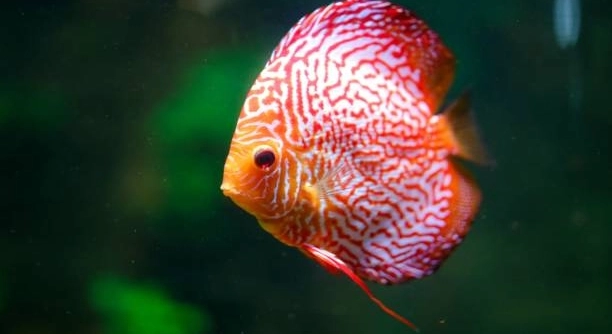
Do your discus fish often clash, making it hard to maintain a peaceful and thriving tank environment for the whole group?
Aggression in discus groups is usually caused by stress, lack of space, poor tank setup, or social hierarchy conflicts. Reducing triggers and making environmental adjustments can significantly improve harmony and reduce aggressive behaviors among tankmates.
Small changes can make a big difference in the way your discus interact. These simple tricks will help you restore balance and peace.
Separate Aggressive Individuals Quickly
Aggression often starts with just one or two fish. These dominant discus tend to chase or nip at others, leading to stress and injury in the group. It’s important to observe the tank and identify which individuals are being overly territorial. Once spotted, remove the aggressive fish temporarily. Use a breeder box or a separate tank if possible. This reduces stress for the remaining discus and breaks the pattern of dominance. After a few days, you can try reintroducing the fish, especially if you’ve also made adjustments to the tank layout or group size.
Removing the aggressor gives your other discus time to recover and re-establish a calmer social structure. It’s a simple step that can quickly change group dynamics.
Introducing a new tank layout before placing the aggressive discus back can help reduce territorial behavior. It breaks visual markers and gives everyone a fresh start, reducing the chances of future conflict.
Rearrange the Tank Layout
A tank with too many open spaces can encourage chasing, while limited hiding spots increase tension. A quick rearrangement can make a noticeable difference. Move the decorations, driftwood, or plants around. This disrupts established territories and discourages aggressive patterns.
Changing the tank layout confuses territorial discus and forces them to reassess their surroundings, lowering the chance of conflict. Make sure each fish has a place to retreat. Use taller plants and rocks to break up sightlines. Visual barriers help fish feel safe, reduce stress, and prevent constant chasing. Even peaceful fish appreciate having personal space. Avoid overly crowded designs, but try to create sections within the tank where fish can stay out of each other’s way. Keep your decorations smooth and safe to avoid injury. With a few careful changes, you’ll create a calmer, more balanced environment. Monitor their behavior after the changes and make adjustments if needed.
Keep the Group Size Balanced
Discus thrive in groups of six or more. Smaller groups often lead to bullying, as dominant fish focus on just one or two weaker ones. A larger group spreads out aggression and creates a more stable social structure.
Adding more discus can reduce tension by diluting aggression across the group. When fish have more peers, there are fewer repeated targets, making it harder for one fish to dominate. Always introduce new fish of similar size and health. Quarantine them beforehand to avoid spreading disease. Monitor behavior closely after adding new fish. If the tank is under 75 gallons, avoid overstocking. Overcrowding creates new stress and defeats the purpose. Aim for a balanced group that has room to swim freely, with enough hiding spots for every fish. A stable social dynamic will form faster in a larger group that feels safe and has space to spread out.
If you already have an aggressive discus in a small group, it may calm down after you add more companions. The change in dynamics often shifts their behavior, especially if they are no longer the biggest or boldest. Just be sure to keep water conditions steady and observe how the group adjusts over the first week.
Feed Strategically and on Schedule
Aggression can spike during feeding time. Some fish dominate the food, leaving others hungry and stressed. Feeding in multiple spots helps. Spread the food across the tank so all fish have access. This lowers competition and tension during meals.
Discus fish benefit from a regular feeding schedule. Feed them two to three times daily with a mix of high-quality flakes, pellets, or frozen food. Avoid overfeeding, as uneaten food harms water quality. When food is predictable and available, aggressive behaviors tend to decrease. Fish know they don’t have to fight for their next meal. If one fish still hogs all the food, try distracting it with a small amount in one corner while placing more in another. Consistency in feeding time also helps. Discus become less anxious when they know food is coming. A calm, well-fed group is more likely to coexist peacefully in the long run.
Maintain Stable Water Conditions
Poor water quality often makes discus more irritable. Ammonia spikes, pH swings, or sudden temperature changes can increase aggression. Keep conditions consistent with regular water changes and accurate monitoring. Clean filters often and test water weekly to catch problems early.
Stress from unstable water makes it harder for discus to tolerate each other. When parameters are steady, they behave more calmly. Use a heater to maintain temperature, and avoid overcrowding to keep waste levels low. Clean the substrate regularly to prevent buildup that can affect water quality and fish mood.
Introduce Distractions During Conflicts
Adding distractions can help redirect aggressive energy. A small mirror outside the tank may give the dominant fish something else to focus on temporarily. New decorations or rearranged plants can also shift their attention and reduce attacks.
Reduce Light Intensity
Lowering the light level in the tank can calm aggressive discus. Bright lighting makes them feel exposed, while softer light encourages relaxed behavior and helps fish avoid constant confrontations.
FAQ
How do I know which discus is being aggressive?
Watch for repeated chasing, fin nipping, or one fish forcing others into corners. Aggressive discus often dominate feeding times and stay in the center of the tank while others avoid them. They may display flared fins, darker coloring, or rapid swimming toward other fish. Track these behaviors over a few days to confirm it’s consistent and not just occasional excitement. Recording short videos can also help you review the group’s interactions more clearly.
Can aggression in discus be temporary?
Yes, aggression is often temporary, especially after changes in the tank. Moving decorations, introducing new fish, or adjusting lighting may cause stress that leads to short-term fighting. Once fish settle back into a routine, aggression often fades. Some discus also behave aggressively during breeding periods or when a hierarchy is forming. As long as no one is injured, it’s usually fine to observe and wait a few days before stepping in.
Should I remove a discus if it keeps bullying others?
If one fish continues to target others, especially causing damage or stress, it’s best to remove it temporarily. Use a separate tank or breeding box. This gives the group time to reset without constant chasing. After a few days, you can reintroduce the fish and monitor closely. Sometimes even a short separation can change behavior. If the aggression returns, consider rehoming the fish or keeping it in its own space.
Is it better to add more discus to stop fighting?
Yes, a group of at least six discus tends to reduce aggression. Larger groups spread out hostility and prevent one fish from being singled out. When adding more, make sure your tank size can support the new fish and that all parameters are stable. Quarantine new arrivals for at least two weeks to protect the current group from illness. Once introduced, watch how the group interacts and adjust if needed.
Does tank size affect aggression?
Smaller tanks often lead to more stress and increased aggression. A minimum of 55 to 75 gallons is recommended for a small group of discus. Overcrowding makes it hard for fish to establish space, leading to constant chasing. A larger tank gives each fish room to retreat and feel safe. Make sure to provide hiding places like driftwood or plants to break up open space and reduce visual contact.
Can lighting really change discus behavior?
Yes, lighting plays a big role in how discus behave. Bright lights can make them feel exposed and on edge. Dimming the lights or using floating plants to create shaded areas often helps fish feel more secure. When discus feel safe, they are less likely to lash out at others. Avoid sudden changes in lighting, and aim for a consistent day/night cycle to help them stay calm.
How often should I feed to reduce aggression?
Feed your discus two to three times a day using small amounts. When food is available regularly, fish don’t feel the need to compete as much. Spread the food across different spots in the tank so all fish have a chance to eat. Consistency in feeding reduces stress and discourages dominant fish from pushing others away. Don’t overfeed, though, as leftover food harms water quality and adds to stress.
Can water quality affect their mood?
Poor water quality is one of the most common causes of stress and aggression in discus. High ammonia or nitrite levels, low oxygen, or swings in pH can all lead to behavioral problems. Perform regular water changes, test your tank weekly, and clean the filter as needed. Keep the temperature steady and avoid overcrowding. Happy, healthy fish are much more likely to get along.
Is it okay to use tank dividers?
Tank dividers can be a useful tool if one fish is constantly aggressive. Use a clear or mesh divider to give the aggressive fish its own space while maintaining visual contact with the group. This often reduces stress for both sides and helps prevent injury. It’s a temporary fix, but it gives you time to decide if reintroduction is possible or if the fish may need permanent separation.
Will aggression stop completely?
It might not disappear entirely, but it can be reduced to manageable levels. Most discus establish a social order with minor displays of dominance. Occasional chasing is normal as long as it doesn’t lead to injuries or hiding. By managing tank layout, water quality, feeding routines, and group size, you can create a calmer environment. Keep observing your fish and make small changes as needed to maintain balance.
Final Thoughts
Keeping aggression low in discus groups takes patience and consistency. These fish are sensitive and social, and small changes in their environment can quickly affect how they behave. When you notice signs of tension, it helps to act early before things get worse. Watching for patterns in their behavior can make it easier to understand what they need. Every discus group is a little different, so what works for one setup might not work for another. Making changes slowly and keeping things stable is usually the best approach. Whether it’s rearranging the tank, adjusting lighting, or improving water quality, small steps often lead to noticeable results.
There isn’t always a single solution. In many cases, it’s a mix of several things that brings balance back to the tank. This includes making sure your tank is large enough, maintaining a proper group size, and offering enough hiding spots. It also helps to feed them on a schedule and test your water regularly. A calm tank environment supports better behavior and gives each fish a fair chance to grow and stay healthy. If one fish continues to cause problems, temporary separation or rehoming may be necessary. It’s not an easy choice, but sometimes it’s the best one for the group as a whole.
Aggression in discus is natural, but it doesn’t have to take over the tank. With attention and care, most groups will settle into a peaceful rhythm. As long as you keep their needs in mind and respond to changes quickly, your discus can thrive together without constant conflict. These fish are beautiful and rewarding to keep, and with the right setup, they’ll show their best colors and calm behavior. Making small adjustments over time, staying consistent with your care routine, and observing closely will help keep aggression under control. The more time you spend understanding your fish, the better you’ll become at creating a space where they feel safe and relaxed.

Hello,
If you enjoy the content that we create, please consider saying a "Thank You!" by leaving a tip.
Every little bit helps us continue crafting quality advice that supports the health, happiness, and well-being of pets around the world, for pets of all shapes, sizes, and species.
We really appreciate the kindness and support that you show us!