
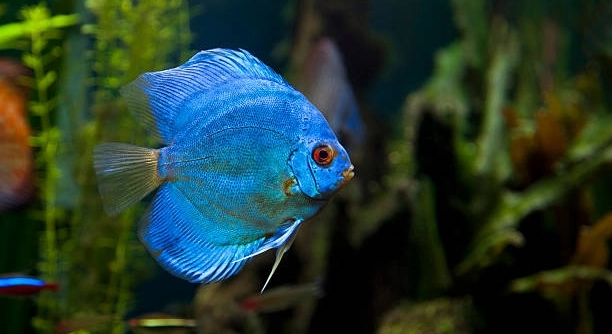
Discus fish are popular in home aquariums for their bright colors and graceful movements. However, these delicate fish can face several stress factors throughout the day. Recognizing these stressors helps keep them healthy and happy.
Discus experience stress from factors such as poor water quality, sudden changes in temperature, overcrowding, improper diet, loud noises, strong currents, and frequent handling. Each of these elements can negatively impact their well-being and lead to illness or behavioral changes.
Knowing what stresses your discus fish is key to creating a stable environment. This article will help you identify common issues and improve their daily care.
Poor Water Quality
Discus fish are very sensitive to the quality of their water. If the water contains high levels of ammonia, nitrites, or nitrates, it can cause serious stress and harm to the fish. Dirty water can also lead to infections or diseases, which makes it even harder for discus to stay healthy. Maintaining clean water requires regular water changes and testing to ensure proper pH and hardness levels. Keeping the tank clean also means removing leftover food and waste that can pollute the water. A stable environment with good water quality helps discus feel comfortable and reduces their stress during the day. Avoid sudden changes in water parameters, as discus fish do not adjust well to quick shifts.
Proper filtration and regular monitoring are essential for maintaining water quality that supports discus health.
Water quality is the foundation for keeping discus fish thriving. Without it, all other care efforts will struggle to protect these delicate fish.
Sudden Temperature Changes
Discus fish prefer a stable temperature between 82°F and 86°F (28°C to 30°C). Sudden drops or rises in temperature can shock their system. This type of stress can weaken their immune system and make them more prone to illness. Keeping a reliable heater and monitoring the tank temperature daily helps prevent these changes. It’s important to avoid placing the tank near windows or air conditioners where temperature swings happen often. Even small temperature fluctuations can cause discomfort or lead to hiding behavior, which is a sign of stress. Consistency is key to creating a calm environment where discus can thrive.
Temperature stability helps discus maintain good health and avoid unnecessary stress. Regular checks and good equipment are worth the effort.
Overcrowding
Overcrowding causes discus to compete for space, food, and oxygen. This increases stress and can lead to aggression or illness.
Too many fish in a tank reduce water quality faster and make it harder to maintain stable conditions. Discus need plenty of space to swim and establish their own territory. Overcrowding also causes poor circulation of water, which can increase toxins and lower oxygen levels. Keeping fewer fish in a properly sized tank helps reduce stress and keeps discus healthier. It is better to provide a comfortable environment than to try fitting too many fish into a small space.
Fish that feel crowded may become more aggressive or hide often. This behavior shows they are stressed and uncomfortable. Avoid overcrowding to keep your discus calm and safe.
Improper Diet
Feeding discus the wrong food can weaken their health and cause stress. They need a balanced diet rich in proteins and vitamins.
Discus fish require a diet that mimics what they eat in the wild, such as high-quality flakes, pellets, and frozen or live foods like bloodworms and brine shrimp. Feeding too much or too little, or offering low-quality food, can affect their digestion and immune system. A poor diet may cause slow growth, dull colors, and reduced energy. It’s important to feed discus small amounts multiple times a day and remove uneaten food to prevent water pollution. A well-balanced diet supports their natural behavior and overall well-being.
Changing their diet suddenly can also cause stress. Gradually introduce new foods to help discus adjust without harm. Consistency and quality in feeding lead to stronger, happier fish.
Loud Noises
Loud noises can startle discus fish, causing stress and hiding behavior. They are sensitive to sudden sounds and vibrations.
Keeping the aquarium in a quiet area helps reduce stress. Avoid placing tanks near speakers, busy rooms, or where loud noises happen often.
Strong Currents
Discus fish prefer calm water with gentle movement. Strong currents make it difficult for them to swim and rest properly.
Strong water flow forces discus to constantly fight against the current, which tires them out. This can lead to exhaustion and weakened immune systems. Using adjustable filters or placing decorations to break currents can create a gentler flow. Calm water mimics their natural slow-moving river habitat and helps them feel secure.
Frequent Handling
Handling discus fish often causes stress and can harm their protective slime coat. It is best to minimize touching or moving them unnecessarily.
FAQ
What are the main signs that discus fish are stressed?
Stressed discus fish often show changes in behavior and appearance. They may hide more than usual, lose their bright colors, or stop eating. You might notice rapid breathing, clamped fins, or unusual swimming patterns. Stress can also cause discus to become aggressive or lethargic. Watching for these signs helps you catch problems early and take action to improve their environment.
How often should I test the water for my discus tank?
Testing water at least once a week is ideal. Regular checks for ammonia, nitrites, nitrates, pH, and temperature keep conditions stable. If you notice any sudden changes in your fish’s behavior, test more often. Keeping water parameters consistent prevents stress and illness.
Can I keep discus with other fish?
Yes, but choose tank mates carefully. Discus prefer peaceful fish that thrive in similar water conditions. Avoid aggressive or fast-moving species that may stress discus. Good companions include tetras, corydoras, and small catfish. Overcrowding should be avoided to reduce stress.
How much should I feed my discus daily?
Feed small amounts two to three times a day. Offer only what they can eat within a few minutes to prevent leftover food from fouling the water. A balanced diet with variety supports their health and stress resistance.
What temperature is best for discus fish?
Maintain water between 82°F and 86°F (28°C to 30°C). Stability is more important than hitting an exact number. Sudden changes can cause stress, so use a reliable heater and thermometer.
How do I prevent overcrowding in my discus tank?
Follow the guideline of one discus per 10 gallons of water. This space allows them to swim freely and reduces competition. Regularly check the tank population and upgrade tank size if needed.
Why is frequent handling stressful for discus?
Handling removes their protective slime coat, which shields them from disease. It also causes fear and confusion. Only handle discus when necessary, such as for tank maintenance or health checks, and do so gently.
How do strong currents affect discus behavior?
Strong currents tire discus and disrupt their natural swimming. They prefer calm waters where they can rest easily. Use filters with adjustable flow or add plants and decorations to break the current and create calmer zones.
Can loud noises harm discus fish?
Sudden loud sounds startle discus and increase their stress levels. Over time, constant noise can weaken their immune system. Place your tank in a quiet spot away from heavy traffic or speakers to keep them calm.
What is the best way to introduce new food to discus?
Introduce new food gradually over several days. Mix small amounts of the new food with their regular diet. This prevents digestive upset and helps them adjust without stress.
How often should water changes be done for discus?
Weekly water changes of 25-30% help keep water clean and stable. Frequent partial changes prevent buildup of harmful substances. Avoid large or sudden water changes, which can stress discus.
Can poor diet cause diseases in discus fish?
Yes, a poor diet weakens their immune system and makes them more vulnerable to infections. Providing balanced, high-quality food supports their health and reduces stress-related illnesses.
How do I handle a stressed discus fish?
First, check water quality and correct any problems. Ensure stable temperature and reduce noise or overcrowding. Offer a nutritious diet and avoid handling until the fish recovers. Patience and consistent care are key to reducing stress.
What equipment is essential for a discus tank?
A good heater, reliable filter with adjustable flow, and water testing kits are must-haves. Decorations like plants and driftwood create hiding spots that reduce stress. Proper equipment helps maintain a stable, comfortable environment for discus.
Are there any signs of stress unique to discus compared to other fish?
Discus often lose their vibrant colors and become pale when stressed. They may also form tight groups or hide behind tank decorations. These signs are more pronounced than in many other fish species, signaling a need for immediate attention.
How do I create a stress-free environment for discus?
Keep water clean and stable, maintain proper temperature, and avoid overcrowding. Minimize loud noises and strong currents. Provide a varied diet and reduce handling. Creating a calm environment mimics their natural habitat and helps discus thrive.
Final Thoughts
Taking care of discus fish means paying close attention to their daily environment and habits. These fish are sensitive and can get stressed easily if conditions are not right. Stress can lead to health problems and even shorten their life. Keeping water clean, stable, and comfortable is one of the most important things you can do. Regular testing and maintenance of the tank help avoid sudden changes that disturb discus fish. Temperature should be kept steady within the recommended range, as fluctuations are harmful to their well-being.
Other factors that can cause stress include overcrowding, loud noises, strong water currents, and improper diet. Each of these issues makes it harder for discus fish to feel safe and comfortable. Providing enough space and calm surroundings lets them swim freely without fear. Feeding a balanced diet and avoiding sudden food changes keeps their bodies strong and healthy. Reducing handling also lowers stress, as discus fish do not like to be disturbed often. Small changes to their tank setup and routine can make a big difference in how happy and healthy your discus are.
Overall, success with discus fish comes from patience and consistent care. Watching for signs of stress and responding quickly helps keep them thriving. Creating a calm and stable environment allows discus to show their best colors and natural behavior. When discus feel safe, they live longer and grow stronger. With the right care, these beautiful fish can be a rewarding addition to any aquarium. Taking time to understand their needs makes it easier to enjoy their graceful presence for years to come.

Hello,
If you enjoy the content that we create, please consider saying a "Thank You!" by leaving a tip.
Every little bit helps us continue crafting quality advice that supports the health, happiness, and well-being of pets around the world, for pets of all shapes, sizes, and species.
We really appreciate the kindness and support that you show us!