
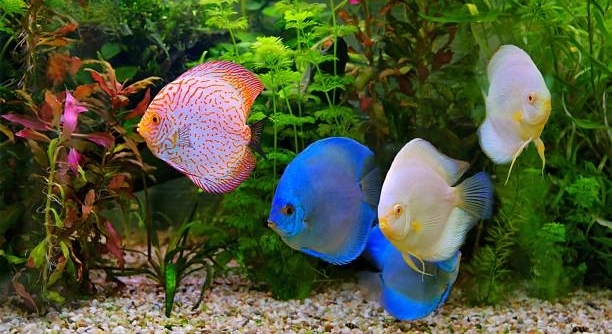
Do your discus often seem stressed or shy, hiding in corners instead of gliding calmly through the tank like they should?
The best way to make your discus feel at home is by recreating their natural habitat as closely as possible. This includes maintaining warm, soft water with stable parameters, providing plenty of hiding spots, and reducing loud noises or sudden movements around the tank.
Understanding these essential steps will help create a peaceful space your discus can thrive in and truly enjoy.
Keep the Water Just Right
Discus fish are sensitive and thrive best in specific water conditions. The temperature should stay between 82°F and 86°F. Soft, slightly acidic water with a pH between 6.0 and 7.0 works well. Use a high-quality heater and thermometer to monitor the tank. Make sure to test the water regularly for ammonia, nitrites, nitrates, and pH. Weekly water changes—around 25% to 40%—help keep things stable. Try to avoid big shifts in temperature or chemical balance, as discus don’t handle sudden changes very well. Stick to a consistent routine to reduce stress and keep them healthy long-term.
Warm, soft water mimics the natural habitat of discus, keeping them calm and more active during the day.
Stable conditions help prevent illness, reduce stress, and support proper digestion. If water quality is poor or fluctuates, discus may refuse to eat, hide more often, or lose color. Keeping it steady gives them a better chance to thrive.
Provide Plenty of Hiding Spots
Discus need hiding spots to feel safe and reduce stress in their environment.
Adding driftwood, rocks, and tall plants helps your discus feel secure. These structures offer places to rest and retreat, especially if they are new to the tank or feeling anxious. Floating plants are also helpful—they give shade and soften lighting, which discus prefer. Just make sure there’s still open space for swimming. When fish feel secure, they show better colors and behave more naturally. You don’t have to overcrowd the tank, but a thoughtful layout can make a big difference in their comfort. Use decorations with smooth edges and avoid sharp objects that may hurt them. Rearranging decor too often can cause stress, so find a layout that works and keep it consistent. If you notice your discus hiding constantly, it may mean they need more cover or something in the tank is causing them discomfort.
Maintain a Peaceful Environment
Loud sounds, sudden movements, or constant activity near the tank can stress discus fish. They prefer quiet, calm surroundings and may hide or stop eating if they feel uneasy or threatened for long periods.
Place the tank in a low-traffic area of your home, away from slamming doors, loud televisions, or speakers. Keep lighting gentle and consistent—bright lights can make them skittish. Using a timer for lights helps create a stable day-night rhythm, which supports their natural behavior. Avoid tapping on the glass or sudden hand movements near the tank. If you have other pets, try to keep them from staring at or pawing the tank. A quiet environment helps discus feel safe and leads to better social interaction between them. The calmer their surroundings, the more relaxed and confident they’ll be in their tank.
Discus fish are social but sensitive. Stress from noise or activity can lead to weakened immune systems, increased hiding, and loss of color. Stability in the tank’s location and routine helps them adjust better and show natural behaviors like schooling or even breeding. If you have children or visitors who may not know, kindly explain the importance of a peaceful space for your discus. Over time, they’ll reward you with calm and graceful behavior.
Feed Them the Right Way
Discus need a varied diet to stay healthy and colorful. Feeding them once or twice a day with high-quality foods keeps them strong and more active during the day.
Include protein-rich options like bloodworms, brine shrimp, and quality pellets designed for discus. Occasionally offer finely chopped beef heart if they tolerate it well. Be careful not to overfeed, as leftovers can pollute the water. Remove uneaten food within five minutes to keep things clean. Young discus may need more frequent feeding—around three times daily—in smaller portions. Watch how they respond to each type of food and adjust if needed. They’ll be more energetic and display better colors with the right nutrition. If any fish stops eating, observe closely for signs of stress or illness. A healthy appetite is a good sign your discus feels safe and well cared for.
Keep Tank Mates Calm and Compatible
Choose peaceful fish that won’t nip at or chase your discus. Ideal tank mates include cardinal tetras, rummy nose tetras, and corydoras. Avoid aggressive or overly active species that can make your discus feel stressed or threatened.
Keep tank mates small and non-competitive during feeding. Discus are slow eaters, so fast or greedy fish can leave them without enough food. Watching interactions daily helps you catch problems early before they affect your discus.
Stick to a Cleaning Routine
Regular tank maintenance is important for discus health. Clean the tank weekly, removing uneaten food and doing partial water changes of about 30–40%. Use a gravel vacuum to clean the bottom and wipe down algae from the glass as needed. Rinse filter media in tank water—not tap—to preserve beneficial bacteria. Check equipment like heaters and filters often to make sure they’re working properly. Staying on top of small tasks each week prevents water quality from dropping and helps avoid larger problems. A clean tank supports their immune system, improves appetite, and makes them feel more at ease in their environment.
Quarantine New Additions
Always quarantine new fish or plants before adding them to your discus tank. This reduces the chance of introducing harmful parasites or diseases. A separate tank for 2–4 weeks can save your main tank from problems.
FAQ
How often should I feed my discus?
Feed adult discus once or twice per day with high-quality food. Young discus, especially under six months old, need to eat more often—around three to five times daily in smaller amounts. Keep feeding times consistent. Watch their behavior during feeding. If food is left uneaten, you may be giving too much. Always remove uneaten food within five minutes to keep the water clean. Overfeeding leads to poor water quality and can harm their health. A healthy discus should show interest during feeding and have a full, rounded belly without looking bloated.
What size tank is best for discus?
A group of 5–6 discus needs at least a 55-gallon tank. Discus are social and do better in groups, so avoid keeping them alone or in pairs unless breeding. A bigger tank helps keep water stable and gives them room to swim without feeling cramped. It also allows space for decorations, hiding spots, and calm tank mates. Long tanks are better than tall ones because discus like horizontal space. Be careful not to overcrowd. Adding too many fish can lead to stress and poor water quality, which discus don’t tolerate well.
Can I keep plants in a discus tank?
Yes, but choose the right plants. Discus prefer warmer water, so pick plants like Amazon swords, Java fern, and Anubias that can handle higher temperatures. Floating plants like water lettuce or frogbit help reduce light and provide shelter. Use soft lighting and plant them securely so they don’t float around or block swimming space. Live plants also help improve water quality by absorbing nitrates. Avoid plants that need strong lighting or cold water, as they won’t thrive. Keep trimming them to prevent overgrowth and maintain enough open swimming areas for your discus.
Why is my discus hiding all the time?
Frequent hiding can mean stress. Common causes include poor water quality, loud noises, strong lighting, bullying tank mates, or sudden changes in the environment. Check for any recent changes to the tank or surroundings. Make sure water parameters are stable, the tank is in a quiet area, and there are enough hiding spots. If you’ve recently added new fish or decor, your discus might be adjusting. Give them time, and try not to disturb the tank often. A stressed discus may also stop eating or lose color, so keep an eye on their behavior.
Do discus fish need a heater?
Yes. Discus need warm water between 82°F and 86°F. A high-quality heater is necessary to keep the temperature steady, especially in cooler climates or during the night. Fluctuating temperatures can weaken their immune system and lead to illness. Use a reliable thermometer to check the temperature daily. Consider using two smaller heaters instead of one large one for better coverage and backup in case one fails. Avoid placing the tank near windows or vents where temperature changes quickly. Keeping the heat stable helps your discus feel comfortable and stay active.
Is it okay to keep just two discus?
It’s not ideal. Discus are social and feel more secure in groups of at least five or six. When kept in pairs, one fish may become dominant and stress the other. This can lead to poor health and hiding behavior. If you can’t keep a larger group, consider another fish species that is less social. If you do choose to keep a pair, watch them closely for signs of stress or aggression, and provide plenty of hiding places. Larger groups help spread out aggression and allow them to form natural social structures.
Can discus live in a community tank?
Yes, but only with calm, peaceful fish. Fast or aggressive tank mates can cause stress. Good companions include small tetras, corydoras, and certain dwarf cichlids. Avoid fin-nippers or very active species. Make sure other fish can tolerate the high temperatures discus need. Also, ensure discus get enough food—some community fish eat quickly and may outcompete them during feeding. A community tank must be well-managed, with enough space and careful monitoring. If done right, discus can live peacefully and show their natural behavior in a shared setup.
Final Thoughts
Keeping discus fish healthy and happy takes time, patience, and care. They are not the easiest fish to look after, but with the right setup, they can live peacefully and thrive for many years. These fish are sensitive to change, so keeping their tank calm, clean, and steady is one of the best things you can do. From warm, soft water to gentle lighting and peaceful tank mates, everything in their environment should help them feel safe. If they are relaxed, they will show their best colors, eat well, and move around more confidently. Watching them swim together calmly is a good sign that things are going well.
It’s also important to stay consistent. Set a routine for feeding, water changes, and tank checks. Sudden changes or skipping cleanings can quickly affect their health. Keeping a notebook or using a digital tracker can help you monitor water tests, temperatures, and any behavior changes. If something seems off—like hiding, refusing food, or dull color—it’s better to act early. Small problems can grow fast in a discus tank. Checking equipment like heaters and filters often is also part of keeping their space safe. It may feel like a lot at first, but over time, these tasks will become part of a simple routine.
Even though discus need special care, the reward is worth it. Their calm nature and graceful movements bring a peaceful feel to any room. Over time, you may even notice them recognizing you, especially during feeding. They each have their own behavior and small habits that make them interesting to watch. By taking the time to meet their needs, you’ll help them live longer, healthier lives. Whether you’re keeping just a few or a full group, giving them a home where they can feel comfortable is key. With a steady setup and some patience, your discus will become one of the most beautiful parts of your aquarium.

Hello,
If you enjoy the content that we create, please consider saying a "Thank You!" by leaving a tip.
Every little bit helps us continue crafting quality advice that supports the health, happiness, and well-being of pets around the world, for pets of all shapes, sizes, and species.
We really appreciate the kindness and support that you show us!