
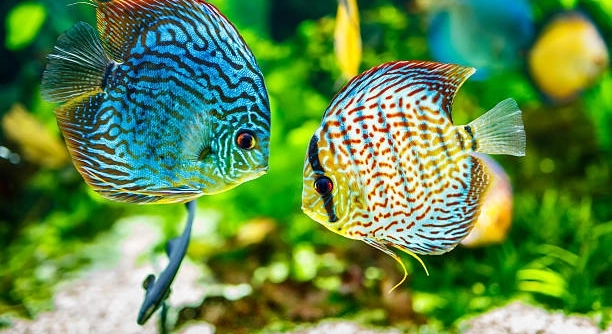
Discus fish are popular for their vibrant colors and graceful swimming. Many aquarium owners enjoy watching their behavior closely. Some people wonder if these fish can respond to human voices in their environment.
Discus fish have limited ability to react to sounds, including human voices. Their response is generally to vibrations and changes in the water rather than to specific vocal cues. Research shows they rely more on visual and environmental signals.
Understanding how discus fish perceive sounds can improve care and interaction. This knowledge helps create a more suitable habitat and strengthens the bond between owner and fish.
How Discus Fish Perceive Sound
Discus fish do not hear sounds in the same way humans do. Instead of ears, they detect vibrations through a lateral line system along their bodies. This sensory organ helps them sense movement and changes in water pressure. When a human speaks near the tank, the fish may sense the vibrations caused by the voice but do not interpret these sounds as language or specific signals. Their reaction is usually subtle, such as slight movement or increased alertness. Loud noises or sudden vibrations may startle them, causing them to hide or swim away quickly. The tank environment plays a large role in how much sound travels through the water. Thicker glass or a heavily planted tank can reduce vibrations, making the fish less responsive to nearby voices or noises. Overall, discus fish depend more on visual cues and water conditions than on sound recognition.
The lateral line system allows discus fish to respond to physical changes in their environment rather than specific sounds or voices.
Observing discus fish react to vibrations rather than voice tones helps understand their behavior. Their sensitivity to movement and water changes is more important than recognizing human speech. Owners can create calm environments by minimizing sudden vibrations or loud noises around the tank.
Interaction and Behavioral Responses
Discus fish may show some reaction when owners speak near their tank, mostly through movement or changes in swimming patterns. However, these responses are linked to the vibrations caused by the sound rather than understanding the voice itself.
Regular exposure to gentle vibrations and movement near the tank can make discus fish more comfortable with their environment. Over time, they may swim closer to the glass or appear more active when someone is nearby. This behavior is often interpreted as recognition or curiosity, but it is more about responding to environmental changes. Consistency in sound levels and minimizing sudden loud noises helps reduce stress and encourages natural behavior. Owners can enhance interaction by maintaining stable water conditions and providing visual stimuli. Understanding these behavioral responses improves care and strengthens the aquarium experience without relying on voice recognition.
Signs Your Discus Fish May React to Your Presence
Discus fish often become more active when someone approaches the tank. They might swim closer to the glass or change their swimming patterns. These behaviors reflect their sensitivity to movement and vibrations rather than recognizing voices.
Their reactions are usually subtle and may include slight shifts in position or fin movement. Because discus fish are naturally cautious, they might initially retreat but gradually become more comfortable over time. Consistent, gentle presence near the tank helps them associate human movement with a non-threatening environment. These signs suggest they respond more to physical stimuli than to specific sounds or words.
The visual cues and vibrations created by a person’s presence trigger these responses. Fish may learn to expect feeding or interaction when someone stands nearby, reinforcing their behavior. Understanding these subtle signs improves the connection with your discus fish without expecting vocal recognition.
Creating a Calm Environment for Your Discus Fish
Maintaining stable water conditions is crucial for a calm and healthy discus environment. Sudden changes in temperature or water quality can cause stress and affect their behavior.
Proper filtration, regular water changes, and consistent temperature keep the tank environment stable. A quiet room with minimal sudden noises helps reduce stress caused by vibrations. Plants and decorations provide hiding places, which allow discus fish to feel secure. This sense of security makes them less likely to react nervously to outside movement. A calm tank encourages natural behavior and better health. Creating such an environment is a key step to observing any response to your presence.
Consistent care and attention to environmental factors foster a peaceful space for discus fish. This stability supports their natural sensitivity and helps them thrive without undue stress.
How to Get Your Discus Fish Used to Your Voice
Discus fish do not truly recognize voices but can get accustomed to vibrations and presence. Speaking softly near the tank creates familiar sounds that may reduce their stress over time.
Consistent, gentle speaking paired with calm movements helps discus fish associate human presence with safety. Repeated exposure to these sounds encourages them to remain relaxed around you.
The Role of Feeding Time in Fish Response
Feeding time is a strong trigger for discus fish to respond to nearby sounds and movement. They often associate the presence of a person with food, which increases their activity and attention near the tank.
Avoiding Loud Noises Around Your Tank
Loud noises and sudden sounds can frighten discus fish and cause stress. Keeping the environment calm helps maintain their health and encourages natural behavior.
FAQ
Do discus fish recognize human voices?
Discus fish do not recognize human voices in the way people understand speech. Their hearing is limited, and they rely mainly on sensing vibrations and movement through their lateral line system. Sounds made near the tank create water vibrations, which discus fish can detect. However, these vibrations do not carry meaning like human language. Their responses are to the physical changes in their environment rather than the voice itself. Over time, they may become familiar with consistent sounds and associate them with routine activities such as feeding.
Can discus fish react differently to loud versus soft voices?
Yes, discus fish are more likely to react to loud noises or sudden sounds with stress or alarm. Loud voices create stronger vibrations in the water, which may startle or frighten them. Soft, calm speaking near the tank is less likely to cause stress. It may even encourage them to become accustomed to your presence. Keeping noise levels low around the tank helps maintain a peaceful environment that supports natural fish behavior.
Why do discus fish swim closer to the glass when I talk?
Discus fish often swim closer to the glass because they detect vibrations from your voice and movement. They may associate these signals with feeding time or activity outside the tank. This response is not due to voice recognition but rather to their sensitivity to physical changes. The movement near the tank and the subtle water vibrations make them more alert and curious, prompting them to approach.
Is it possible to train discus fish to respond to voice commands?
Discus fish cannot be trained to respond to voice commands like some other pets. Their sensory system is designed to detect vibrations, not specific sounds or words. However, they can learn to recognize patterns related to feeding or care routines. Consistent actions, such as approaching the tank or tapping gently, can signal feeding time. This consistency can create predictable behavior but should not be confused with true voice recognition or training.
How can I reduce stress in discus fish caused by noise?
To reduce noise-related stress, minimize loud talking or sudden noises near the tank. Keep the aquarium in a quiet area with low foot traffic. Use thick tank glass or place the tank on a vibration-absorbing stand to limit external vibrations. Providing hiding spots like plants or decorations also helps discus fish feel secure. A calm environment reduces stress and supports their health.
Do discus fish respond to music or other sounds?
Discus fish do not respond to music in a meaningful way. They may sense vibrations caused by sounds, but these are not recognized as music or communication. Unfamiliar or loud noises can cause stress, while consistent soft background sounds may be less disturbing. It is best to maintain a quiet environment to avoid unnecessary stress on your fish.
What signs show that discus fish are stressed by noise or vibration?
Signs of stress in discus fish include hiding frequently, rapid breathing, clamped fins, or erratic swimming. They may also lose appetite or show faded coloration. These behaviors indicate discomfort, often caused by sudden loud noises or strong vibrations. Observing these signs early helps adjust the environment to reduce stress.
Can discus fish hear other fish or tank equipment sounds?
Discus fish can detect vibrations from other fish and equipment like filters or air pumps. They adapt to constant, low-level noises but may react to sudden changes or loud equipment sounds. Proper placement and maintenance of equipment can help minimize disruptive noise. Consistent background sounds are less stressful than irregular or loud noises.
How does water quality affect discus fish sensitivity to sound?
Poor water quality can increase stress and reduce the overall health of discus fish, making them more sensitive to vibrations and noise. Clean, well-maintained water supports their natural defenses and reduces irritability. Regular testing and water changes help maintain optimal conditions, which lowers their reaction to external disturbances.
Should I talk to my discus fish?
Talking to discus fish is not harmful and may provide familiar vibrations that reduce their stress. Gentle, consistent speaking near the tank helps them get used to your presence. However, it should not be expected to produce specific responses based on voice recognition. The benefit lies in creating a calm and predictable environment.
Final Thoughts
Discus fish respond mainly to vibrations and movement rather than recognizing human voices. Their sensory system is designed to detect physical changes in the water around them, which helps them stay aware of their environment. While they may react to sounds near the tank, these reactions are based on the intensity and familiarity of the vibrations, not the actual voice or words spoken. This distinction is important to keep in mind when interacting with discus fish, as expecting vocal recognition may lead to misunderstandings about their behavior.
Creating a calm and stable environment plays a significant role in how discus fish respond to stimuli. Consistent care, including maintaining water quality, temperature, and quiet surroundings, reduces their stress levels and encourages natural behavior. Gentle speaking near the tank can contribute to their comfort by providing familiar sounds and signals, especially when paired with routine activities like feeding. However, loud noises and sudden movements should be avoided to prevent unnecessary stress. Understanding these factors helps build a better relationship with discus fish based on their natural responses.
Patience is essential when observing discus fish behavior. Their reactions to human presence develop gradually and depend on many factors, including tank setup and daily care routines. Recognizing their sensitivity to vibrations and movement allows for more thoughtful interaction, without expecting complex responses. Focusing on their well-being through proper environment management will promote healthier, calmer fish. This approach ultimately leads to a more enjoyable and rewarding experience with discus fish in any aquarium setting.

Hello,
If you enjoy the content that we create, please consider saying a "Thank You!" by leaving a tip.
Every little bit helps us continue crafting quality advice that supports the health, happiness, and well-being of pets around the world, for pets of all shapes, sizes, and species.
We really appreciate the kindness and support that you show us!