
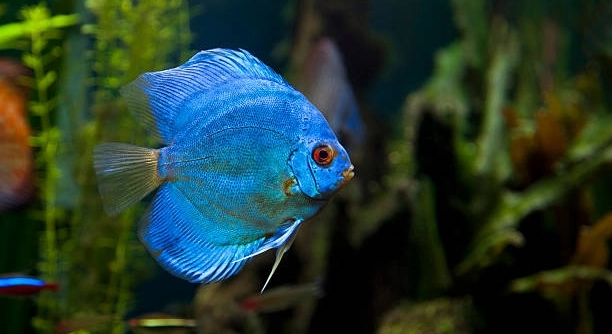
Do you ever find yourself constantly adjusting filters, heaters, or decorations in your discus tank to keep things just right?
Upgrading your discus tank becomes necessary when the current setup no longer supports the health, growth, or comfort of your fish. Common signs include water instability, overcrowding, and increasing difficulty maintaining proper tank conditions.
A closer look at these signs can help prevent stress and disease in your discus, while creating a more stable and peaceful environment.
Your Fish Are Showing Signs of Stress
Discus fish are sensitive by nature, and stress is one of the first signs that something is off in their environment. If you notice your fish hiding more than usual, losing their vibrant colors, or refusing to eat, it may be due to an unsuitable tank setup. A cramped tank, unstable water conditions, or poor filtration can all lead to stress. Over time, chronic stress weakens their immune system, making them more vulnerable to disease. A larger tank with better equipment can help provide the stability they need. Adding more space allows each fish to have its own area, which reduces tension and aggressive behavior.
Visible stress in your discus should never be ignored. It means their current living conditions are no longer meeting their needs.
Upgrading to a larger or better-equipped tank is often the most effective solution. It improves water quality, stabilizes temperature, and helps your discus feel more secure and active.
The Water Quality Is Hard to Maintain
Poor water conditions are one of the most common reasons discus health declines in home aquariums.
If you find yourself constantly checking pH, nitrate levels, and temperature, but still battling fluctuations, it’s a sign your setup is being pushed beyond its limits. Smaller tanks with inadequate filters can’t handle the biological load that comes with growing discus or adding more fish. Frequent water changes may help temporarily, but they don’t fix the root issue. Over time, this leads to increased stress for both you and your fish. An upgrade allows for better filtration options and more water volume, which naturally stabilizes parameters. This means fewer water changes, clearer water, and a healthier environment. Reliable water quality supports not only the health of your fish but also makes the tank easier to manage. Investing in a better tank setup early can save you time, money, and stress in the long run.
Your Discus Are Outgrowing the Tank
Discus fish can grow up to six inches in diameter, and when several are housed together, space runs out quickly. If they seem crowded or are bumping into each other, it’s time to reconsider the tank size.
A cramped tank limits their ability to swim freely, which leads to frustration and more aggressive behavior between fish. Over time, this can cause stress and health problems. Discus need both horizontal and vertical space to thrive, especially in groups. As they mature, their oxygen needs also increase, making larger tanks more suitable for maintaining proper water circulation and quality. Even if the tank seemed big enough at first, growing fish will eventually need more room. By upgrading, you’re giving them the space they need to grow, interact, and stay healthy.
Choosing a larger tank also means fewer territorial disputes and less mess. With more room, each fish can claim its own space and stay calm.
Your Tank Equipment Can’t Keep Up
Outdated or undersized equipment can silently make tank care harder. Filters, heaters, and lighting all need to match the size and demands of your tank. If you’re always cleaning or adjusting, your setup may be too small.
Discus tanks require reliable equipment to keep the water stable. As the fish grow and more are added, your old filter might not be strong enough to handle the increased waste. A heater that worked well before might struggle to maintain the temperature, especially in a bigger room or with added tank lighting. Upgrading your tank gives you room to install better equipment that runs more efficiently and requires less daily maintenance. It also gives you the flexibility to add features like automated timers or stronger filtration systems. These changes can make your daily care routine smoother while also supporting your discus fish in a healthier, more balanced environment.
You Want to Add More Fish
Adding more discus or tank mates to an already full tank can quickly cause problems. Overcrowding leads to poor water quality, increased aggression, and higher stress levels. A larger tank supports a more stable and peaceful environment.
More space means better filtration and swimming room for everyone. It also reduces the chances of disease spreading.
Cleaning Is Becoming a Constant Task
If you’re spending more time cleaning than enjoying your tank, it might be too small for your setup. Smaller tanks get dirty faster, especially with large or multiple discus. Waste builds up quicker, and filters clog more easily. Upgrading to a bigger tank means better water circulation, more powerful equipment, and slower buildup of waste and algae. This leads to less frequent deep cleanings and more time appreciating your fish. It also helps avoid harmful water spikes. With a properly sized tank, you’ll notice that maintaining a clean and stable environment becomes much easier and less stressful.
Your Tank Looks Cluttered
Too many decorations or equipment in a small tank can leave little space for your discus to swim. A bigger tank gives you room to create a natural and open layout.
How do I know if my discus tank is too small?
If your discus are crowded, show signs of stress, or if maintaining stable water conditions becomes difficult, these are strong indicators your tank is too small. Watch for behaviors like constant hiding, color fading, or aggression. Also, if water quality drops quickly despite regular maintenance, it’s time to consider upgrading.
What size tank do discus fish need?
Discus need at least 50 gallons for a small group of 4–5 fish. Larger groups or adult fish require bigger tanks, often 75 gallons or more. Bigger tanks provide stable water parameters, enough swimming space, and reduce territorial conflicts, which are essential for healthy discus.
Can I keep other fish with discus in the same tank?
Yes, but choose tank mates carefully. Ideal companions are peaceful, slow-moving fish that thrive in similar water conditions. Examples include cardinal tetras, rummy nose tetras, and some dwarf cichlids. Avoid aggressive or very active fish that may stress your discus.
How often should I change the water in a discus tank?
Regular water changes are vital for discus health. In smaller tanks, 25–50% water changes weekly are common to keep nitrates low and maintain stability. Larger tanks with better filtration may need less frequent changes, but consistent monitoring of water quality is key.
Is upgrading my tank expensive?
Upgrading can require investment in a larger tank, better filters, and heaters. However, improved tank conditions often reduce long-term costs related to fish health problems and frequent water changes. It also saves time and frustration, making the initial expense worthwhile.
Will a bigger tank make discus easier to care for?
Yes. Larger tanks naturally stabilize water temperature and chemistry, reducing daily stress on the fish and the owner. They allow for better equipment, easier maintenance, and less risk of sudden water parameter swings that harm discus.
How do I move my discus to a new tank?
Move fish carefully by acclimating them slowly to the new tank’s water conditions. Use a clean container, float it in the new tank to equalize temperature, and gradually mix water from the new tank into the transport container over an hour or more. This reduces stress and shock.
What kind of filtration is best for discus tanks?
High-quality, efficient filters that provide biological, mechanical, and chemical filtration are best. Canister filters or sponge filters with adequate flow work well. The filter should handle at least double the tank’s volume per hour to maintain clean water.
Can I keep plants in a discus tank?
Yes, many live plants thrive in discus tanks and provide benefits like oxygenation and natural hiding spots. Choose plants suited to warm, soft water, such as Amazon swords, Java fern, and Anubias. Plants also help absorb nitrates and improve water quality.
How do I maintain water temperature for discus?
Discus prefer stable temperatures between 82°F and 86°F (28°C–30°C). Use a reliable aquarium heater with a thermostat to keep the temperature steady. Sudden drops or rises can stress discus, so avoid placing the tank near drafts or direct sunlight.
Upgrading your discus tank is an important step to ensure your fish stay healthy and comfortable. Over time, discus grow bigger and their needs change. A tank that once seemed perfect might become too small or difficult to maintain. Signs like stressed fish, poor water quality, or overcrowding show that it’s time to consider a bigger or better-equipped tank. Taking action before problems worsen helps avoid illness and keeps your discus happy.
Choosing the right tank size and equipment makes a big difference in care. A larger tank helps keep water conditions stable and reduces the chance of sudden changes that can harm your fish. Better filtration and heating systems work more efficiently in bigger tanks, making maintenance easier for you. Having enough space also lowers aggression among fish and lets them swim freely. This creates a peaceful environment where your discus can grow and show their natural colors.
Making the switch to a new tank may seem challenging at first, but the benefits are clear. It improves the health of your discus and reduces the time you spend fixing problems caused by an unsuitable setup. Proper planning and gradual adjustment can make the transition smooth. In the long run, a larger and well-maintained tank provides a safer, more stable home for your discus. This investment in their environment shows your care and helps your fish thrive for years to come.

Hello,
If you enjoy the content that we create, please consider saying a "Thank You!" by leaving a tip.
Every little bit helps us continue crafting quality advice that supports the health, happiness, and well-being of pets around the world, for pets of all shapes, sizes, and species.
We really appreciate the kindness and support that you show us!