
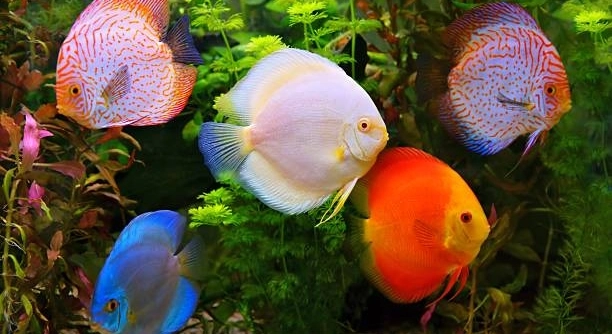
Discus fish are beautiful and popular in home aquariums. However, they are prone to several common parasites that can affect their health. Knowing about these parasites helps in keeping your fish safe and healthy.
The seven most common parasites in discus fish include external and internal types, such as Ich, Hexamita, and flukes. Proper identification and treatment methods are essential to control and prevent infections effectively.
Learning about these parasites and how to treat them will help maintain a thriving aquarium environment for your discus fish.
Ich (White Spot Disease)
Ich is one of the most common parasites found in discus fish. It appears as small white spots on the skin and fins. This parasite causes irritation, leading fish to scratch against objects in the tank. Infected discus may also show signs of lethargy, loss of appetite, and rapid breathing. Ich thrives in poor water conditions, making tank cleanliness very important. The parasite’s life cycle includes a stage where it detaches from the fish and multiplies in the environment. If left untreated, ich can quickly spread and cause serious health problems. Treatment usually involves raising the water temperature slightly and using medications specifically designed to target the parasite. Regular water changes and maintaining good water quality help prevent outbreaks. Watching your discus closely for early signs is key to catching ich before it becomes a major problem.
Ich mainly affects the skin and gills, causing discomfort and stress in discus fish.
Prompt treatment and maintaining proper water conditions are essential to effectively control ich and protect your discus fish’s health.
Hexamita (Hole-in-the-Head Disease)
Hexamita is an internal parasite that often causes a condition called hole-in-the-head disease in discus fish. This parasite damages the fish’s digestive system and creates small lesions or pits on the head and along the lateral line. Fish infected with Hexamita may lose weight, have poor appetite, and show signs of lethargy. The disease usually develops when fish are stressed, poorly fed, or kept in unsanitary tanks. Diagnosis often requires microscopic examination of the fish’s waste or tissues. Treatment involves using antiparasitic medications and improving tank hygiene. Additionally, providing a balanced diet rich in vitamins supports recovery. Preventing Hexamita starts with avoiding overcrowding and maintaining stable water parameters. While the parasite is not always visible externally, its effects on your discus can be serious if not addressed quickly. Regular health checks and proper tank care greatly reduce the risk of infection.
Gill Flukes
Gill flukes are tiny flatworms that attach to the gills of discus fish. They cause irritation and difficulty breathing. Infected fish may gasp at the water surface or rub their gills against objects. These parasites reproduce quickly in poor water conditions.
Gill flukes damage the delicate gill tissues, reducing the fish’s ability to absorb oxygen. This leads to labored breathing and weakness. If untreated, the infection can cause secondary bacterial problems. Treatment involves using antiparasitic medications specifically for flukes, such as praziquantel or formalin-based products. Improving water quality and maintaining proper filtration are critical to prevent reinfestation. Monitoring your discus closely for early signs helps catch the infection before it worsens.
Regular water changes and careful quarantine of new fish also help control gill fluke outbreaks. Keeping stress low by avoiding overcrowding supports your discus immune system, making it easier to fight off parasites naturally.
Skin Flukes
Skin flukes are similar to gill flukes but live on the skin surface. They cause redness, irritation, and excessive mucus production on the fish’s body. Affected discus may scratch against tank decorations to relieve itching, which can lead to wounds or infections.
These parasites can spread quickly in crowded or unclean tanks. They attach firmly to the skin, feeding on tissue and causing damage. Treatment requires specific antiparasitic medication and strict water maintenance. Keeping the tank clean and quarantining new fish prevents outbreaks. Skin flukes weaken the fish, making them vulnerable to other diseases. Effective treatment and prevention help maintain your discus’s vibrant appearance and overall health.
Camallanus Worms
Camallanus worms are internal parasites that live in the intestines of discus fish. They appear as small red worms near the anus. These worms cause weight loss, lethargy, and poor growth.
The worms lay eggs inside the fish, which pass into the tank environment, spreading the infection. Treatment requires specific anti-worm medications and strict tank hygiene to prevent reinfestation.
Trichodina
Trichodina is a microscopic parasite that attaches to the skin and gills. It causes irritation, excessive mucus, and rapid breathing. This parasite spreads quickly in crowded or stressed fish populations. Treatment involves antiparasitic baths and improving water quality to reduce stress and parasite numbers.
Lernaea (Anchor Worm)
Lernaea is a crustacean parasite that embeds itself into the skin of discus fish, causing visible red sores and inflammation. The parasite damages tissues and invites bacterial infections, making early detection and treatment crucial for fish health.
What are the signs that my discus fish might have parasites?
Common signs include white spots, scratching against tank objects, rapid breathing, lethargy, loss of appetite, and visible sores or redness on the skin. You might also notice unusual swimming behavior or weight loss. Early detection helps prevent serious health problems and spreads to other fish.
How can I prevent parasites in my discus tank?
Maintaining clean water with regular changes is essential. Avoid overcrowding and quarantine new fish before adding them to the main tank. Proper filtration and stable water parameters reduce stress on your discus, making them less likely to get sick. Feeding a balanced diet also supports their immune system.
Are parasite treatments safe for discus fish?
Most treatments are safe if used as directed. Always follow the manufacturer’s instructions carefully. Some medications can stress discus fish if overdosed or used improperly. It’s best to remove activated carbon from filters during treatment and monitor your fish closely for side effects.
Can I use natural remedies to treat parasites?
Some natural options like increasing water temperature or using salt baths can help with certain parasites. However, natural treatments may not always be enough. For serious infections, antiparasitic medications are usually more effective. Always research the specific parasite before trying natural methods.
How long does it take to treat parasite infections?
Treatment duration depends on the type and severity of the parasite. Some infections clear up in a week with proper medication, while others may require longer. It’s important to continue treatment even after symptoms improve to ensure the parasite is fully eliminated.
Should I remove other fish during treatment?
It’s often better to treat the whole tank if multiple fish are affected or if the parasite spreads easily. However, if only one or two fish show signs, quarantining and treating them separately can prevent stress to healthy fish. Always ensure the quarantine tank has similar water conditions.
How often should I check my discus for parasites?
Regular observation during daily feeding and tank maintenance is best. Look for behavioral changes, spots, or unusual marks. Early detection allows for quicker treatment and better outcomes. Checking weekly with a closer inspection under good lighting is also helpful.
Can parasites come back after treatment?
Yes, parasites can return if water quality is poor or if infected new fish are introduced. Preventing reinfection means maintaining a clean environment and careful quarantine procedures. Repeated treatments might be necessary if parasites persist.
Are some discus more prone to parasites?
Stress, poor diet, and weak immune systems make discus more vulnerable. Young or sick fish are often at higher risk. Keeping your discus healthy with good nutrition and a stable environment reduces the chance of parasite infections.
Do all parasites look the same?
No, parasites vary widely. Some are visible to the naked eye, like anchor worms or camallanus worms. Others, like trichodina or gill flukes, are microscopic and require a microscope for identification. Symptoms may overlap, so correct diagnosis is important for effective treatment.
Taking care of discus fish means paying close attention to their health, especially when it comes to parasites. Parasites can cause serious problems if left untreated, affecting your fish’s behavior, appearance, and overall well-being. Knowing the common types of parasites and how to recognize their signs is important. This knowledge helps you act quickly and keep your fish healthy. Good water quality, proper feeding, and a clean tank are the best ways to reduce the chance of parasite infections. Keeping stress low for your discus also helps them fight off any infections naturally.
When you spot signs of parasites, it’s important to take action without delay. Different parasites require different treatments, so identifying the problem correctly is key. Using the right medication, following the instructions, and keeping the tank environment stable will improve your chances of success. Quarantining new fish before adding them to the tank is a helpful practice to prevent parasites from entering your aquarium. Regular observation of your discus allows you to catch problems early, making treatment easier and less stressful for your fish.
Maintaining a healthy discus tank takes ongoing effort, but it is very rewarding. Watching your fish grow strong and display their beautiful colors shows that your care is working. Parasites can be a challenge, but with attention and proper treatment, they can be controlled. Remember, prevention is always better than cure. Clean water, good diet, and stress reduction are the foundation for keeping your discus safe from parasites. Staying informed and prepared will help you enjoy a thriving aquarium with healthy, happy discus fish.

Hello,
If you enjoy the content that we create, please consider saying a "Thank You!" by leaving a tip.
Every little bit helps us continue crafting quality advice that supports the health, happiness, and well-being of pets around the world, for pets of all shapes, sizes, and species.
We really appreciate the kindness and support that you show us!