
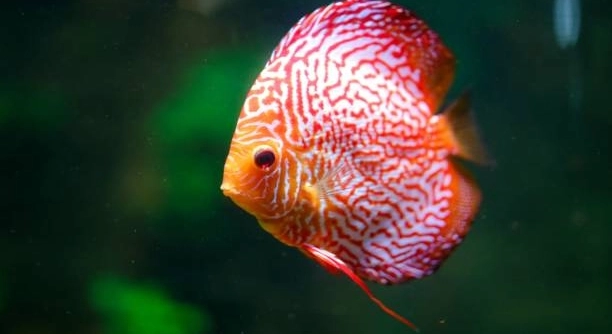
Many discus aquarium owners want to create a balanced, healthy environment for their fish. Choosing the right plants helps improve water quality and provides a natural look. Some plants thrive better than others in discus tanks.
The best plants for discus aquariums are those that can tolerate warm, soft water and low light conditions. Examples include Amazon swords, Java fern, and Anubias, which support fish health and enhance tank aesthetics without requiring intensive care.
Knowing which plants fit well with discus fish makes aquarium care easier and more enjoyable. This guide will help you find suitable options for a thriving aquatic setup.
Amazon Sword
Amazon Sword is a popular choice for discus tanks because it grows well in warm, soft water. This plant has broad leaves that provide hiding spots and resting areas for discus fish. It is relatively easy to care for and can grow quite large, making it a good background plant. Amazon Swords absorb nutrients from the water, which helps keep the tank clean. They need moderate lighting and a nutrient-rich substrate to thrive. You don’t have to trim them often, but if the leaves start to yellow or decay, removing those parts will keep the plant healthy. This plant adds a natural and lush look to the aquarium, enhancing the overall environment for discus fish without much extra effort.
Amazon Sword plants adapt well to different aquarium setups, making them reliable for discus tanks. Their hardiness and size benefit both fish and tank appearance.
Keeping Amazon Sword healthy means monitoring light and substrate quality. Regular water changes support its growth, which helps maintain a balanced habitat for discus fish.
Java Fern
Java Fern is highly favored for discus aquariums due to its low maintenance needs. It grows slowly and doesn’t require substrate planting; you can attach it to rocks or driftwood. This plant tolerates low light and softer water, which matches discus tank conditions well. Java Fern’s tough leaves are not attractive to fish nibbling, so it remains intact longer than many other plants. It also aids in oxygenation and improves water quality by absorbing excess nutrients. Java Fern doesn’t need frequent trimming, and its simple care makes it a practical addition to any discus aquarium.
In addition to being low maintenance, Java Fern’s unique leaf structure adds visual interest. Its slow growth means it won’t overcrowd your tank or compete heavily for resources.
When adding Java Fern, attach it to decorations rather than burying roots in substrate. This helps avoid root rot and keeps the plant healthy. Providing moderate to low light ensures it won’t suffer from algae overgrowth. Java Fern creates natural hiding spots, reducing stress for discus fish. Its resilience and ease of care make it a valuable plant for both beginner and experienced aquarium keepers. Incorporating Java Fern into your discus setup can contribute to a balanced and visually pleasing tank environment.
Anubias
Anubias is a sturdy plant that does well in discus tanks. It grows slowly and tolerates low light and soft water, making it easy to maintain. Its thick leaves offer good shelter for discus fish, helping them feel secure.
Anubias attaches well to driftwood or rocks, so it doesn’t need to be planted in substrate. This reduces the chance of root damage and makes it easier to rearrange your tank setup. Because it grows slowly, Anubias won’t take over your tank or crowd other plants. It also resists algae better than many other species, which keeps your tank looking cleaner. The plant’s ability to thrive with minimal care makes it a solid choice for discus aquariums.
The leaves of Anubias are tough and less likely to be eaten by fish, which means it stays healthy longer. Regular water changes and moderate lighting support its growth without extra effort. Adding Anubias to your discus tank adds greenery that improves the tank’s atmosphere while supporting the fish’s well-being.
Vallisneria
Vallisneria grows tall, ribbon-like leaves that create a natural backdrop in discus tanks. It spreads quickly through runners, which helps fill empty spaces and provides cover for fish. This plant prefers moderate light and soft water conditions, fitting well with discus requirements.
Vallisneria is easy to grow and helps improve water quality by absorbing nutrients that might otherwise cause algae growth. Its long leaves offer shelter for shy discus, reducing stress. Because it spreads through runners, it can quickly cover the substrate, which helps stabilize the tank environment. Vallisneria also adapts well to different tank sizes and setups, making it a versatile option. Regular trimming controls its growth to prevent overcrowding. Its ability to create a dense, natural-looking environment adds both function and beauty to discus aquariums.
Cryptocoryne Wendtii
Cryptocoryne Wendtii is a hardy plant that thrives in warm, soft water. It grows slowly and tolerates low to moderate light, making it ideal for discus tanks.
This plant forms dense clusters that provide hiding spots for shy discus. It requires minimal care and adapts well to different tank conditions.
Amazon Frogbit
Amazon Frogbit floats on the water’s surface, offering shade and reducing light intensity below. Its roots help absorb excess nutrients, improving water quality. This plant grows quickly and needs regular thinning to prevent overcrowding but creates a natural, calming environment for discus fish.
Bolbitis Heudelotii
Bolbitis Heudelotii, or African Water Fern, is a slow-growing plant with dark green, textured leaves. It prefers attachment to driftwood or rocks rather than substrate planting. This plant thrives in low to moderate light and soft water, which suits discus tanks well. Its unique leaf structure provides excellent cover for fish, making the tank feel more natural. Bolbitis Heudelotii helps maintain water quality by absorbing nutrients and reducing algae growth, adding both function and beauty to your aquarium.
Hygrophila Corymbosa
Hygrophila Corymbosa is a fast-growing plant that adapts well to discus tank conditions. It prefers moderate lighting and soft water, making it easy to care for while providing good coverage for fish.
What plants are best for discus aquariums?
The best plants for discus tanks are those that thrive in warm, soft, and slightly acidic water. Popular choices include Amazon Sword, Java Fern, Anubias, Vallisneria, Cryptocoryne Wendtii, Amazon Frogbit, Bolbitis Heudelotii, and Hygrophila Corymbosa. These plants tolerate lower light levels and do not require hard water, matching discus needs well. They also provide hiding spots and help keep the water clean by absorbing excess nutrients, which supports discus health. Slow to moderate growth rates in these plants prevent overcrowding and reduce maintenance.
How do I care for plants in a discus aquarium?
Care mainly involves maintaining water parameters suitable for discus fish: warm temperature (around 82-86°F), soft water, and slightly acidic pH. Lighting should be moderate, as too much light can cause algae growth and stress the fish. Use nutrient-rich substrate or attach plants like Java Fern and Anubias to driftwood or rocks. Regular water changes keep nutrient levels balanced, preventing algae buildup. Trim dead or decaying leaves to encourage healthy growth. Avoid strong fertilizers, as discus prefer cleaner water, but liquid fertilizers can be used carefully if needed.
Can discus fish live with live plants?
Yes, discus fish do very well with live plants. Plants provide shelter and reduce stress by offering hiding places. Live plants also help improve water quality by absorbing nitrates and other waste products. The presence of plants mimics the discus fish’s natural environment, making them feel more comfortable. However, it’s important to select plants that can tolerate the warm, soft water conditions discus require. Avoid plants that need high lighting or very hard water, as these will not thrive and could harm water quality.
Do discus fish eat aquarium plants?
Discus fish usually do not eat tough-leaved plants such as Anubias, Java Fern, or Amazon Sword. They prefer to nibble on softer plants less often. Some plants like Vallisneria and Cryptocoryne can withstand occasional nibbling. If your plants show signs of damage, it’s often due to other tank inhabitants or poor plant health. Providing enough food and hiding places helps reduce plant nibbling. Choosing hardy plants with thick leaves also minimizes damage.
How much light do plants in discus tanks need?
Most plants suitable for discus tanks need moderate to low lighting. Too much light can encourage algae growth and stress discus fish. Plants like Java Fern, Anubias, and Bolbitis Heudelotii do well under low light, while Amazon Sword and Vallisneria benefit from moderate light levels. A balanced lighting schedule of 8 to 10 hours a day supports plant health without encouraging algae. Using LED aquarium lights with adjustable settings helps control light intensity easily.
What substrate is best for planted discus aquariums?
A nutrient-rich substrate is best for plants like Amazon Sword and Cryptocoryne Wendtii, as it provides essential minerals for root growth. Fine gravel or sand mixed with plant substrate works well. For plants that don’t root deeply, like Anubias and Java Fern, attaching them to rocks or driftwood is better to prevent root rot. Avoid sharp or coarse substrates that can damage delicate roots. Regular substrate cleaning without disturbing plant roots supports healthy growth.
How often should I trim plants in a discus tank?
Trimming depends on plant type and growth rate. Fast-growing plants like Vallisneria and Hygrophila Corymbosa may need trimming every few weeks to prevent overcrowding. Slow growers like Anubias and Java Fern require less frequent trimming, mostly removing dead or damaged leaves. Regular trimming helps maintain water flow and prevents decaying matter from polluting the tank. It also encourages healthy new growth and keeps the tank visually appealing.
Can live plants help with water quality in discus tanks?
Live plants play an important role in maintaining good water quality. They absorb excess nutrients such as nitrates and phosphates, which can build up from fish waste and uneaten food. This nutrient absorption helps reduce algae growth and keeps the water clearer. Plants also release oxygen during photosynthesis, improving oxygen levels for fish. A well-planted tank generally requires less frequent water changes and supports a more stable environment, which benefits discus fish health.
Are floating plants good for discus tanks?
Floating plants like Amazon Frogbit are excellent for discus aquariums. They provide shade, reducing light intensity and helping to calm shy fish. Their roots hang in the water, absorbing nutrients and helping to keep water clean. Floating plants grow quickly and need regular thinning to avoid blocking too much light or reducing oxygen exchange at the surface. When managed well, floating plants create a more natural environment that discus fish enjoy.
What should I avoid when planting a discus aquarium?
Avoid plants that require very hard or alkaline water, as these conditions are not suitable for discus fish. Also, steer clear of fast-growing algae-prone species or delicate plants that need high light and CO₂ injections, since discus tanks are usually low-tech setups. Avoid planting too densely at first to ensure proper water flow and prevent dead spots. Don’t over-fertilize, as excess nutrients can harm discus fish and encourage algae. Selecting hardy, slow to moderate growers that fit discus needs helps create a healthy tank balance.
Choosing the right plants for a discus aquarium is important for creating a healthy and balanced environment. The plants mentioned in this article, like Amazon Sword, Java Fern, and Anubias, work well because they tolerate the warm, soft water discus fish need. These plants also help improve water quality by absorbing extra nutrients and providing shelter for the fish. Including live plants in your tank not only makes it look natural but also supports the well-being of your discus fish. It’s important to pick plants that do not require too much light or special care since discus tanks usually have softer water and gentle lighting.
Caring for plants in a discus aquarium does not have to be difficult. Simple maintenance, such as keeping moderate lighting and performing regular water changes, helps plants stay healthy. Trimming dead or decaying leaves also encourages new growth and prevents water pollution. Plants like Java Fern and Anubias can be attached to driftwood or rocks, which reduces the risk of root damage. When you choose plants with slow to moderate growth, they are easier to manage and less likely to overcrowd the tank. This balance helps keep your discus fish comfortable and the tank looking neat.
Overall, live plants play an important role in maintaining a discus aquarium’s environment. They support natural behaviors in fish by providing hiding spots and reduce stress. Plants also improve water quality and oxygen levels, creating a stable habitat. While it’s possible to keep discus without plants, adding the right species makes a big difference in tank health and appearance. Taking time to select and care for suitable plants will make your discus aquarium a better place for the fish and more enjoyable to maintain.

Hello,
If you enjoy the content that we create, please consider saying a "Thank You!" by leaving a tip.
Every little bit helps us continue crafting quality advice that supports the health, happiness, and well-being of pets around the world, for pets of all shapes, sizes, and species.
We really appreciate the kindness and support that you show us!