
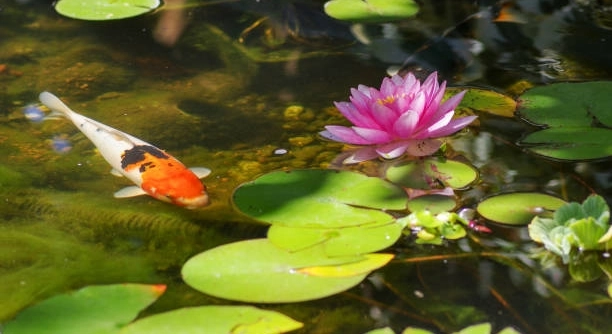
Koi fish are often admired for their graceful movements and bright colors in garden ponds. Many people notice that sometimes several koi gather in just one corner of the pond. This behavior can be quite common and has interesting reasons behind it.
Koi that group together in one corner usually do so because of environmental factors such as water temperature, oxygen levels, or food availability. These conditions make that specific area more comfortable or attractive for the fish.
Learning why koi prefer certain spots can help you create a better environment for them. This article will explain the common causes behind this behavior and what it means for your pond.
Why Do Koi Gather in One Corner?
Koi often group together in one corner of a pond because that spot offers something they need. It might be warmer water if the pond has uneven temperatures. Sometimes, that corner has more oxygen, especially if there is a filter or waterfall nearby. Koi also gather where food is given most often. They quickly learn to associate a certain area with feeding time. Another reason could be that the corner provides shelter from strong sunlight or wind. Koi prefer places where they feel safe from predators or disturbances. This behavior helps them conserve energy and stay comfortable. If you notice your koi sticking to one spot, it’s a good idea to check water quality and temperature in that area. Balancing the pond environment can encourage the fish to spread out and reduce overcrowding.
The grouping behavior usually points to environmental differences or feeding habits within the pond.
Understanding these factors will help improve your pond’s overall balance and your koi’s well-being.
How to Encourage Koi to Spread Out
One way to encourage koi to explore other parts of the pond is by feeding them in different spots. Changing feeding locations helps prevent the fish from always returning to the same corner.
Improving water circulation throughout the pond is also important. Installing additional aerators or adjusting your filtration system can create more even oxygen levels. This makes the whole pond more inviting for koi. Make sure that shade and shelter are available in multiple areas. Koi like to have options for hiding and resting. Checking temperature regularly ensures there are no cold or hot spots. Maintaining balanced water conditions encourages natural movement and reduces crowding. When koi feel comfortable throughout the pond, they tend to distribute more evenly. This not only benefits the fish but also keeps the pond cleaner and healthier.
Feeding Habits Affect Koi Location
Koi quickly learn where food is given and often gather in that spot. Feeding in the same place encourages them to stay in one corner, waiting for their meal.
Changing feeding locations can help spread koi throughout the pond. If they expect food in just one area, they will keep returning there. Feeding at different spots encourages movement and exploration. It also helps reduce overcrowding in one corner, which can cause stress. Offering food at various times and places creates a more natural routine. This can improve the health and happiness of your koi.
Additionally, consider how much and what type of food you offer. Overfeeding in one spot can lead to poor water quality, which can make koi avoid other areas. Balanced feeding supports both koi behavior and pond health.
Pond Environment Influences Grouping
Temperature and oxygen levels in the pond strongly affect where koi gather. Fish will stay in warmer or more oxygen-rich corners. Uneven temperature distribution causes koi to seek comfort in specific areas.
Adding aerators or adjusting water flow helps balance oxygen levels. Proper circulation improves pond health and encourages koi to spread out. Shadows and shelter also attract koi to certain spots for protection from sun and predators. It’s important to create an environment that meets koi needs across the entire pond. This reduces crowding and allows fish to enjoy the whole space freely. By monitoring these conditions regularly, you can keep your koi comfortable and active in all areas of the pond.
Seasonal Changes Impact Behavior
Koi behavior changes with the seasons. In colder months, they tend to gather in warmer corners of the pond. This helps them conserve energy and stay comfortable when water temperatures drop.
As temperatures rise in spring and summer, koi become more active and spread out more evenly across the pond.
Pond Size and Layout Matter
The size and design of the pond affect where koi gather. Smaller ponds naturally lead to fish staying closer together, often in one corner. Larger ponds with varied features like plants, rocks, and shelves offer more spots for koi to explore and rest. When a pond lacks enough hiding places or shade, koi will crowd into corners that provide shelter. Careful planning of pond layout helps encourage natural movement and reduces clustering. Adding elements that attract koi to different areas makes the environment more engaging and comfortable.
Fish Personality Influences Grouping
Each koi has a unique personality that affects its swimming patterns and preferences. Some koi prefer staying close to others, while some like to explore on their own.
FAQ
Why do my koi always stay in one corner?
Koi tend to gather in one corner when that area offers something better than the rest of the pond. It might have warmer water, higher oxygen levels, or more frequent feeding. Sometimes, the corner provides shelter from sun, wind, or predators. Uneven conditions in the pond make that spot more comfortable. Checking water temperature, quality, and flow can reveal why koi prefer that corner. Improving circulation and adding shade or hiding places in other areas can encourage them to spread out.
Is it bad if koi stick to one corner?
It can be a sign that part of your pond is less suitable for the fish. Crowding can increase stress and the risk of disease. Also, waste buildup is more likely in areas where fish cluster. If koi stay in one corner, it’s worth testing water parameters like oxygen and temperature. Making adjustments to improve the whole pond environment helps koi feel safe everywhere. A balanced pond keeps fish healthier and more active.
How can I get koi to move around more?
Changing feeding spots is one of the easiest ways. Feeding in different locations encourages koi to explore. Improving water flow and oxygen distribution helps as well. Adding plants, rocks, or shelters in other parts of the pond provides more hiding places, which koi appreciate. Keeping the water clean and temperature balanced throughout the pond also makes other areas more inviting. Regularly monitoring pond conditions ensures the whole space stays comfortable for your koi.
Do koi prefer warm or cool water?
Koi generally prefer warmer water, especially in cooler seasons. They are cold-blooded, so their activity level depends on water temperature. When it’s cold, koi move slower and gather in warmer parts of the pond. In summer, they spread out more evenly because the whole pond is warm enough. Keeping temperature stable and avoiding sudden changes helps koi stay healthy and active.
Can overcrowding cause koi to stay in one area?
Yes, overcrowding can force koi to stick close together. When too many fish share limited space, they tend to cluster for safety or comfort. This increases stress and can lead to aggression or disease. Ensuring your pond is large enough and not overstocked reduces crowding. Providing hiding places and good water quality also helps koi feel less stressed and more willing to spread out.
Does feeding koi affect their behavior?
Feeding greatly influences where koi gather. They quickly learn where food is given and return to that spot. If feeding always happens in one corner, koi will naturally stay there. Feeding in multiple locations encourages movement and reduces overcrowding. Also, feeding the right amount and type of food prevents waste buildup and keeps water quality good.
What role does oxygen play in koi location?
Oxygen levels can vary across the pond, especially if water flow is uneven. Koi prefer areas with higher oxygen because it’s essential for their health. Low oxygen zones make fish sluggish and uncomfortable. Adding aerators or adjusting filtration can improve oxygen distribution. Balanced oxygen throughout the pond encourages koi to swim more freely and prevents clustering.
Are koi social fish?
Koi are social and often swim together in groups. However, individual personalities vary—some koi prefer close company, while others explore more alone. Social behavior helps koi feel safe and reduces stress. Observing your koi can help you understand their preferences and adjust the pond environment to suit them.
Could water quality cause koi to gather in one spot?
Poor water quality in parts of the pond may push koi to safer corners. High ammonia, low oxygen, or dirty water can make some areas unlivable. Testing water regularly for pH, ammonia, nitrites, and nitrates is important. Keeping the pond clean and balanced helps koi stay healthy and more evenly distributed.
How does pond design influence koi behavior?
The design affects where koi choose to swim and rest. Ponds with diverse features like plants, rocks, and shelves offer more options for shelter and exploration. A simple, featureless pond may lead to koi grouping in limited areas that provide protection or comfort. Thoughtful design encourages natural behavior and movement, which is better for koi health and pond cleanliness.
Koi gathering in one corner of a pond is a common behavior that often relates to their needs and comfort. Fish naturally look for areas where conditions are best for them, whether that means warmer water, more oxygen, or easy access to food. Understanding this behavior helps pond owners take better care of their koi. When koi stick to one corner, it signals that part of the pond offers something important. By paying attention to these signs, you can improve the pond environment to make it more balanced and comfortable for your fish.
Adjusting factors like water temperature, oxygen levels, and feeding routines can encourage koi to spread out more evenly. For example, feeding your koi in different areas helps prevent overcrowding in one spot. Improving water flow and adding plants or hiding places also gives koi more options for resting and exploring. A pond that meets the needs of koi throughout its space keeps them healthier and more active. These changes do not have to be complicated, but they require regular attention and care. Simple steps, like checking water quality and varying feeding locations, can make a big difference.
Keeping a koi pond healthy takes ongoing effort. It is important to observe your fish and the pond regularly to notice any changes in behavior. If koi consistently gather in one corner, it’s a sign to check for uneven conditions or possible problems. By addressing these issues early, you help ensure your koi live long, happy lives. Remember, a well-maintained pond not only benefits the koi but also creates a peaceful and beautiful space to enjoy. The way koi move and gather tells a story about their comfort, and with care, you can create the best environment possible for them.

Hello,
If you enjoy the content that we create, please consider saying a "Thank You!" by leaving a tip.
Every little bit helps us continue crafting quality advice that supports the health, happiness, and well-being of pets around the world, for pets of all shapes, sizes, and species.
We really appreciate the kindness and support that you show us!