
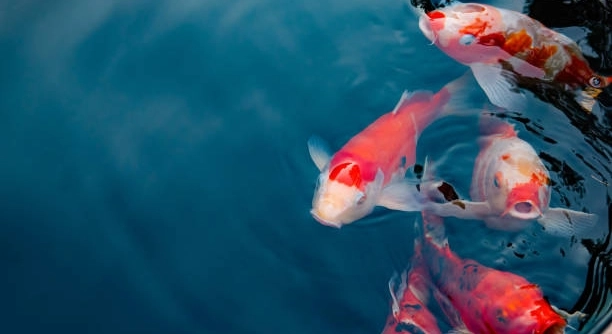
Koi fish navigate their environment using unique sensory abilities. These details help them recognize space and interact with their surroundings. Understanding how koi identify space reveals fascinating insights about their behavior and perception.
Koi use a combination of visual cues, water currents, chemical signals, body orientation, and lateral line sensing to identify space accurately. These mechanisms work together to help koi maintain awareness of their environment and navigate effectively.
Exploring these details can deepen our appreciation for koi’s natural abilities and enhance how we care for them in captivity.
Visual Cues and Color Patterns
Koi rely heavily on their vision to understand their environment. Their eyes are well-adapted to detect shapes, movement, and colors underwater. The unique color patterns on their bodies help them recognize each other and avoid collisions. Bright colors stand out against the water, aiding in spatial awareness. Koi can also see contrasts between light and dark areas, which helps them identify edges of objects or changes in depth. This ability is important for avoiding predators and finding food. When koi swim in groups, their visual recognition helps maintain their formation and spacing. Their eyesight is not perfect but is good enough for these tasks. Because koi live in ponds with varying light conditions, their vision adjusts to different levels of brightness throughout the day. This flexibility is essential for safe navigation and interaction within their environment.
Visual cues are fundamental for koi to orient themselves and communicate in their space.
Besides vision, koi use other senses to fully understand their surroundings, ensuring safety and comfort.
Water Currents and the Lateral Line
Koi sense water currents through a specialized organ called the lateral line, which runs along the sides of their bodies. This sensory system detects vibrations and pressure changes in the water, helping koi identify nearby objects and the movement of other fish. The lateral line allows koi to sense obstacles even in murky water where visibility is low. It also helps them maintain balance and swim smoothly with their group. By interpreting water flow, koi can avoid strong currents or areas where debris might collect. This sense is vital for navigating confined spaces and understanding the size and shape of their environment. Koi rely on this subtle feedback constantly, combining it with their vision and chemical signals for a complete spatial picture. Without the lateral line, koi would struggle to move confidently and avoid harm in their habitat. This sensory system is a key factor in how koi perceive space around them.
Chemical Signals
Koi use chemical signals to gather information about their surroundings and other fish. These signals are detected through their sense of smell and taste, which are highly developed. This helps them recognize territory, potential mates, and dangers.
Chemical cues play a crucial role in how koi interact with their environment. They release specific substances into the water that other koi can detect. This allows them to mark territory or indicate stress. When koi detect chemical changes, they adjust their behavior accordingly. For example, if they sense alarm substances released by injured fish, they become more cautious. Chemical signals also help koi find each other during spawning seasons, guiding them to suitable breeding spots. This system enhances their ability to communicate without relying on sight or sound alone.
Understanding these chemical interactions improves how we manage koi habitats. Maintaining clean water supports the effective transmission of these signals, keeping koi healthy and socially connected.
Chemical sensing complements vision and lateral line detection, creating a more complete awareness of their space.
Body Orientation and Movement
Koi constantly adjust their body position to interpret space and stay balanced. Their movements provide feedback that helps them understand nearby objects and other fish. This awareness allows smooth navigation through complex environments.
Body orientation is a subtle but vital sense for koi. They use their fins and muscles to feel water pressure and resistance. These sensations help them judge distances and avoid collisions. When swimming close to surfaces or plants, koi make tiny adjustments to prevent injury. Their ability to sense their own movement relative to water flow helps maintain stability in currents. This internal sense of position also assists koi in coordinating group swimming, staying aligned with others without bumping into them. By relying on this feedback, koi react quickly to changes in their surroundings.
Movement awareness is an important, often overlooked detail that supports their spatial perception and survival.
Mastering how koi use body orientation can enhance pond design and care practices.
Sound and Vibrations
Koi detect sounds and vibrations through their inner ears and lateral line. This helps them sense movement nearby and changes in their environment.
Low-frequency vibrations travel well underwater, allowing koi to respond quickly to threats or other fish’s activities. This sense adds another layer to how they identify space.
Memory and Familiarity
Koi remember the layout of their environment and familiar objects. This memory helps them navigate efficiently without stress or confusion. They learn to recognize hiding spots, feeding areas, and pond boundaries, which improves their confidence and safety.
Light and Shadow
Changes in light and shadow help koi judge depth and distance. These subtle shifts give koi extra clues about nearby objects and movements around them.
FAQ
How do koi use their eyes to recognize space?
Koi rely on their eyesight to see colors, shapes, and movements in the water. Their eyes help them spot objects, other fish, and changes in light, which is important for avoiding obstacles and predators. While their vision isn’t perfect, it’s good enough for navigating ponds and recognizing each other through color patterns.
What role does the lateral line play in how koi sense their surroundings?
The lateral line is a special sensory organ along the sides of koi. It detects water movement and vibrations, helping koi sense nearby objects or fish even if they can’t see them clearly. This sense is useful in murky water or when koi need to avoid strong currents or obstacles.
Can koi smell or taste things in the water?
Yes, koi have a strong sense of smell and taste. They use chemical signals in the water to identify territory, find mates, and detect danger. These chemical cues allow them to communicate quietly and effectively without relying on sight or sound.
How do koi use body movement to understand space?
Koi constantly adjust their body position and movements to feel water pressure and resistance. This helps them judge distance, avoid collisions, and maintain balance. Their fins and muscles send feedback that guides smooth swimming and group coordination.
Do koi respond to sounds underwater?
Koi can sense low-frequency sounds and vibrations through their inner ears and lateral line. These signals travel well underwater, alerting koi to nearby movements or possible threats, adding to their awareness of the environment.
How important is memory for koi in recognizing space?
Memory helps koi remember their environment’s layout, such as where hiding spots and feeding areas are. Familiarity reduces stress and helps them move confidently, avoiding confusion or injury in their pond.
How do changes in light and shadow affect koi behavior?
Koi notice changes in light and shadow, which help them judge depth and spot moving objects. These subtle cues assist in navigation and avoiding danger, especially when water clarity varies.
Can koi identify individual fish in their group?
Koi can recognize each other mainly through color patterns and behavior. This recognition helps them maintain social order and avoid conflicts while swimming together.
What happens if a koi’s senses are impaired?
If a koi loses or weakens one sense, like vision or smell, it relies more on other senses such as the lateral line or chemical signals. However, sensory impairments can make navigation and social interactions harder, so a healthy environment is crucial.
How can pond owners support koi’s natural spatial awareness?
Keeping water clean and well-oxygenated helps koi use their chemical and lateral line senses effectively. Providing a varied environment with plants, hiding spots, and clear boundaries supports their memory and body movement skills. Proper pond design reduces stress and allows koi to thrive.
Koi use many different senses to understand and move through their environment. Their vision, lateral line, sense of smell, body movements, and memory all work together to help them recognize space. Each of these details plays an important role in how koi live safely and comfortably in ponds or natural settings. Knowing this helps us better care for koi by creating an environment that supports these senses. When their senses work well, koi can swim smoothly, avoid dangers, and interact peacefully with other fish.
It is important to remember that koi are sensitive to changes in their surroundings. They rely on clean water and stable conditions to use their chemical and sensory systems properly. Poor water quality or crowded spaces can interfere with their ability to sense currents, smells, or vibrations. This can cause stress and affect their health. Providing enough space, clean water, and some natural features like plants or rocks gives koi a better chance to use their natural abilities. This makes their environment feel safe and familiar, helping them feel calm and secure.
Overall, understanding how koi identify space offers insight into their behavior and needs. These details show us that koi are more than just beautiful fish—they are complex creatures with many ways to interact with the world around them. By supporting their senses, we can help koi live happier and healthier lives. This knowledge encourages us to create better pond environments where koi can thrive and continue to bring enjoyment through their graceful movements and unique personalities.

Hello,
If you enjoy the content that we create, please consider saying a "Thank You!" by leaving a tip.
Every little bit helps us continue crafting quality advice that supports the health, happiness, and well-being of pets around the world, for pets of all shapes, sizes, and species.
We really appreciate the kindness and support that you show us!