
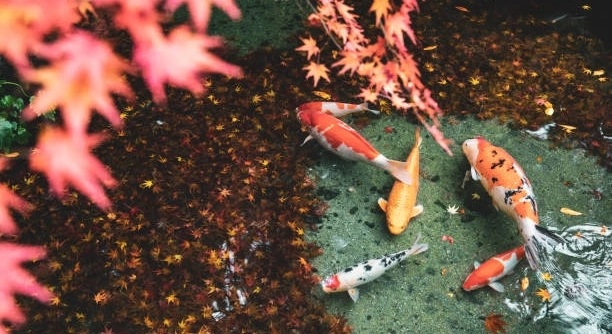
Do you ever find yourself watching your koi swim around and start to notice them brushing up against rocks, plants, or decorations? These interactions may seem small, but they can be surprisingly frequent and worth a closer look.
Koi interact with inanimate objects for reasons such as curiosity, navigation, feeding behavior, and even mild social stimulation. These behaviors are usually harmless and can help enrich the koi’s environment when safe, clean objects are placed thoughtfully in their pond.
From playful nudges to purposeful movements, these moments can reveal a lot about your koi’s behavior and preferences.
1. When Koi Nudge Pond Rocks
Koi often nudge rocks at the bottom of their pond while swimming. This behavior can seem random, but it’s usually linked to natural instincts. Rocks can harbor algae, tiny insects, or leftover food, making them a point of interest. Koi may also use rocks as a tool to explore their surroundings or scratch an itch. The nudging can be soft or more focused, depending on the fish’s intention. It’s helpful to ensure the rocks in your pond are smooth and safe to avoid damaging their delicate scales. Sharp or unstable rocks should be removed to prevent injuries.
This is a common and healthy behavior, especially if your koi are active and otherwise behaving normally.
A clean, well-maintained pond with safe materials can support this behavior and give koi something to explore. Watching how often they return to certain rocks may also give you a clue about feeding habits or environmental preferences.
2. When Koi Swim Through Decorations
Many koi like to swim through ceramic arches, tunnels, or open figurines placed in their pond.
These decorations are not just visual additions for the pond owner—they also offer koi an enriching environment. Swimming through objects gives koi a sense of shelter, something especially important for shy or smaller fish in a mixed group. It can also act as a form of play, encouraging movement and exercise, which helps keep them healthy. As koi grow, their interest in tight spaces may change, so it’s important to keep the size of the decoration in mind. Make sure any openings are large enough for adult koi to pass through safely. Decorations should also be easy to clean and made from pond-safe materials that don’t degrade or release toxins into the water. Regular checks for algae buildup or sharp edges can help keep these additions safe and enjoyable for your koi.
3. When Koi Push Floating Toys
Some koi enjoy pushing floating toys like rings, balls, or small plastic shapes. These objects can trigger their curiosity and movement, especially in calm water. It’s a playful way they engage with their surroundings.
Floating toys provide stimulation that encourages koi to stay active and alert. The motion of the toy on the water’s surface mimics insects or food, which naturally draws the fish. Lightweight, non-toxic toys are best, and they should be large enough to avoid accidental swallowing. Koi may also return to these toys repeatedly, indicating enjoyment or even mild competition among fish. Keeping the pond surface clean helps the toys move more freely, increasing interaction. Toys that sink, crack, or collect dirt should be replaced often. Watching koi nudge and follow these toys around the pond is both entertaining and a sign that the fish are engaged and comfortable in their environment.
Avoid overcrowding the pond with too many toys, which can stress koi or reduce swimming space. Rotate different toys in and out to keep the experience interesting. Koi may prefer certain shapes or colors, so watch how they react. If they ignore a toy completely, it’s okay to remove it and try another one. A little trial and error goes a long way.
4. When Koi Rest Against Pond Walls
Koi sometimes rest with their bodies gently pressed against the pond wall. This is often a calm, normal behavior seen when they’re relaxed. The surface may offer a sense of security or a break from movement.
If the behavior is occasional and the koi looks healthy, there’s usually no need for concern. However, if it becomes frequent or is paired with heavy breathing or clamped fins, it may signal stress, poor water quality, or illness. It’s good to observe without overreacting.
5. When Koi Mouth at Air Stones
Air stones add oxygen to the pond and koi often mouth at the rising bubbles. This behavior is curious but usually harmless. It can be playful or exploratory, especially if the air flow catches their attention for long stretches.
6. When Koi Tap Their Noses on Pond Windows
Pond windows can attract koi attention, especially when people are nearby. Koi may swim up and tap their noses against the glass, often out of recognition or expectation of food. It’s a form of interaction that develops over time in ponds where koi are used to human presence.
FAQ
Do koi interact with inanimate objects because they are bored?
Yes, boredom can be one reason koi interact with objects in their pond. Koi are curious and intelligent fish that benefit from mental stimulation. In a bare environment with nothing to explore, they may become less active or stressed. Introducing safe decorations, plants, or floating toys gives them something to investigate and respond to. While not every interaction means they’re bored, a varied environment helps keep koi alert and healthy. Observing how they behave after new items are added can help you understand what they enjoy most.
Is it safe to put toys and decorations in a koi pond?
It is safe as long as the items are made from non-toxic, pond-safe materials. Avoid anything with sharp edges, small parts that could break off, or materials that degrade in water. Smooth plastic or ceramic items are usually best. Any decorations placed in the pond should be cleaned regularly to prevent algae buildup and checked for signs of wear. Large openings are important to avoid koi getting stuck. If you’re unsure about an item’s safety, it’s better to skip it or consult a pond specialist.
Why do koi swim along the same object repeatedly?
Koi often return to objects they find interesting or comforting. Repeated swimming patterns can show familiarity or attraction to the texture, shape, or position of the item. Sometimes, it may be linked to feeding, especially if food has ever been placed near the object. It can also act as a marker or resting area. As long as the koi looks healthy and is eating, this repetitive behavior isn’t usually a concern. It’s just one way they interact with their space.
What kind of objects do koi seem to like the most?
Koi often enjoy objects that move slightly in the water, have smooth textures, or provide shade or shelter. Floating toys, large pebbles, tunnel-like decorations, and submerged pots without sharp edges are common favorites. They tend to avoid rough materials or items that don’t feel secure. Each koi has its own preferences, so you might see different reactions from different fish. It’s helpful to rotate objects to see what keeps them engaged.
Can these interactions mean something is wrong with the koi?
In most cases, interaction with objects is healthy and natural. However, if your koi start rubbing aggressively, hanging still near objects for long periods, or showing signs of distress (like gasping, clamped fins, or dull colors), it could signal a problem. These might be signs of parasites, poor water conditions, or injury. It’s important to test the water, check the koi closely, and remove any object that seems to be causing stress or harm. Quick attention to these signs can prevent more serious health issues.
Do younger koi interact differently with objects than older koi?
Yes, younger koi are often more curious and playful around inanimate objects. They explore more actively and may nip or bump into things out of curiosity. Older koi tend to move slower and may interact less often or in a more relaxed manner. Still, both young and old koi benefit from environmental enrichment. Giving them interesting, safe items to explore can improve their overall health and activity level. Watching how different age groups behave can help you tailor the pond setup to suit everyone.
Final Thoughts
Koi are fascinating fish that often surprise us with how they interact with their surroundings. While many people focus on feeding, water quality, and general care, koi behavior with inanimate objects offers another layer to their personalities. From swimming under lily pads to tapping on pond windows, these moments are worth noticing. They show that koi are not only creatures of habit but also full of small reactions and interests that make watching them more enjoyable. These interactions don’t always have deep meaning, but they do highlight the koi’s awareness of their space.
Adding safe objects to a pond can help encourage more of these behaviors. Simple changes like placing smooth stones, adding floating plants, or even introducing gentle bubblers can keep koi curious and active. However, it’s also important to observe their reactions carefully. Some koi may ignore new items while others respond immediately. Over time, these small responses can show patterns in their comfort levels and preferences. Keeping an eye on their body language and routines can help you spot any signs of stress, illness, or boredom early. A calm, active koi that interacts with its environment is usually a sign of a healthy pond.
Understanding these behaviors can also make you feel more connected to your koi. You start noticing how they act around different objects, how they react to changes, or how they respond when you approach the pond. These small interactions build familiarity, and many koi will begin to recognize your presence. Watching them mouth at decorations or press against a wall doesn’t always need to be explained by science—it can simply be something they do. Creating a space where your koi feel secure and stimulated not only benefits their health but also adds to the joy of keeping them. Being mindful of their environment, behavior, and small habits helps keep the pond not just functional, but also full of interest and life.

Hello,
If you enjoy the content that we create, please consider saying a "Thank You!" by leaving a tip.
Every little bit helps us continue crafting quality advice that supports the health, happiness, and well-being of pets around the world, for pets of all shapes, sizes, and species.
We really appreciate the kindness and support that you show us!