
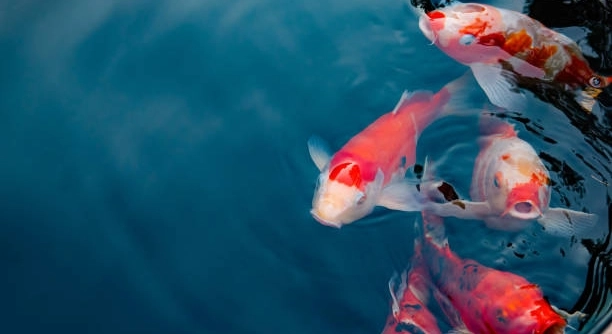
Koi fish are fascinating creatures often seen swimming gracefully around plants in ponds. Their interactions with flowing plants show unique behaviors that many people find interesting. Observing these actions helps us understand their nature better.
Koi display seven distinct behaviors with flowing plants, including weaving through leaves, resting beneath them, nibbling softly, and using plants for shelter. These actions highlight their adaptability and the important role plants play in their aquatic environment.
Learning about these behaviors reveals how koi interact with their surroundings. This knowledge can improve how we care for them and design better pond habitats.
Weaving Through Flowing Plants
Koi often swim gently through flowing plants in their ponds. This weaving movement helps them explore their environment safely. The plants offer a natural obstacle course, which keeps the koi active and engaged. As they move through the leaves and stems, koi can avoid predators and feel more secure. This behavior also encourages exercise, which is important for their health. Watching koi weave among plants shows how well they adapt to their surroundings. The plants create a soft, flowing barrier that koi enjoy moving through without rushing. It’s a calming interaction for both the fish and anyone observing them. The gentle motion of the plants with the koi’s movements creates a peaceful, natural scene. This connection between koi and plants is one reason why planted ponds feel so balanced and alive.
Weaving helps koi stay active and feel safe, using plants as both a shield and a playground.
Seeing koi glide smoothly through plants offers a glimpse into their natural instincts. This behavior also improves water circulation by stirring the plants gently, which benefits the entire pond environment. It’s a simple yet important part of how koi maintain their health and comfort among flowing plants.
Resting Beneath the Leaves
Koi like to rest beneath broad leaves in the pond. The shade provides a cool, calm place to relax away from bright sunlight and disturbances.
Nibbling Softly on Plants
Koi nibble gently on flowing plants, tasting them without causing much damage. This behavior is natural and helps them explore what’s around them.
Nibbling allows koi to sample plant material as part of their varied diet. While they mostly eat pellets or insects, plants add some fiber and nutrients. This gentle nibbling rarely harms the plants because koi are careful not to tear large pieces off. It’s more about curiosity and supplementing their food than overfeeding on greenery. This action also keeps their mouths busy and can prevent boredom in a planted pond.
Even though nibbling is mild, it encourages koi to stay close to plants. This closeness helps koi feel safe while adding a natural balance to their diet. It’s a simple way plants and fish interact in a pond ecosystem.
Using Plants for Shelter
Koi use flowing plants as a refuge from sunlight or potential threats. The plants create a natural shelter that koi prefer during bright or busy times.
When koi hide among plants, they find comfort and protection. The leaves and stems block strong light and provide cover from larger animals. This sheltered space reduces stress and keeps koi calmer. Plants also act as a natural filter, improving water quality and making the shelter more inviting. By choosing these spots, koi avoid danger and rest quietly. This behavior shows how important plants are in creating a healthy, balanced pond environment. The sheltering effect helps koi live longer, healthier lives by offering safety and relaxation.
Circling Around Plant Clusters
Koi often circle around clusters of flowing plants. This behavior helps them explore the area while staying close to cover.
Circling also allows koi to investigate potential food sources or other fish nearby. It’s a way to stay alert and connected to their environment without moving too far from safety.
Grazing on Soft Leaves
Koi sometimes graze on the soft leaves of plants, using their lips to gently pull at the greenery. This grazing is more about tasting than eating large amounts. It adds variety to their diet and keeps them engaged with the pond plants.
Using Plants to Mark Territory
Koi use flowing plants to mark their territory by swimming around or nudging them. This behavior helps establish boundaries with other fish and reduces conflicts within the pond.
How do koi interact with flowing plants in their pond?
Koi interact with flowing plants in several interesting ways. They swim through the plants, weaving among the stems and leaves for both exercise and safety. The plants provide shelter from bright sunlight and potential predators. Koi also nibble or graze gently on soft leaves, adding a bit of plant matter to their diet. These interactions help koi feel secure and keep them active, which is essential for their well-being. Additionally, koi sometimes circle around plant clusters to explore or mark their territory. All these behaviors show koi rely on plants not just for food but as a part of their environment where they can hide, rest, and stay stimulated.
Do koi damage the plants when they nibble or graze on them?
Generally, koi do not cause significant damage to healthy plants when they nibble or graze. Their nibbling is usually gentle and exploratory, more about tasting than eating large amounts. Flowing plants with flexible stems and softer leaves can tolerate this mild grazing. However, if plants are weak, unhealthy, or limited in number, koi nibbling might stress them. Maintaining a good balance of plants and healthy water conditions helps plants recover and thrive despite koi interactions. In planted ponds, it’s important to choose species that can withstand some nibbling or to provide extra plants so koi don’t overconsume any one area.
Why do koi like resting beneath flowing plants?
Resting beneath flowing plants offers koi protection from bright sunlight and provides a quiet, shaded space. The shade helps regulate their body temperature, especially on hot days. It also creates a calm environment, reducing stress from sudden movements or noises above the water. Flowing plants gently sway with the water, making a soft, comforting cover koi appreciate. This resting spot acts as a safe retreat where koi can relax and feel hidden from potential threats. The natural shelter formed by plants supports koi health by encouraging restful behavior and lowering stress.
Can flowing plants improve the overall health of koi in a pond?
Yes, flowing plants contribute to the overall health of koi in multiple ways. They offer natural shelter and hiding places, reducing stress and aggression between fish. Plants help improve water quality by absorbing excess nutrients and producing oxygen. This cleaner water environment supports koi immune systems and reduces the risk of disease. The plants also encourage natural behaviors like nibbling and weaving, which keep koi active and mentally engaged. A balanced pond with plenty of healthy flowing plants creates a stable ecosystem, benefiting koi longevity and vitality.
How should I choose plants for a koi pond to support these behaviors?
Choose flowing plants that are hardy and can tolerate koi nibbling and movement. Plants like hornwort, water wisteria, and anacharis are good choices because they have flexible stems and grow quickly. Floating plants such as water lilies provide excellent shade and resting spots. It’s important to have a mix of submerged and floating plants to offer variety in shelter and grazing areas. Make sure there are enough plants so koi can interact with them without damaging any single group. Healthy plants help koi feel secure and encourage natural behaviors, improving the pond’s balance.
What are the signs that koi might be harming the plants?
Signs that koi may be harming plants include torn leaves, uprooted stems, and bare patches in planted areas. If plants look chewed down or are struggling to grow back, koi nibbling may be excessive. Another sign is when koi constantly dig or disturb the substrate around plants, damaging roots. Monitoring how koi interact with plants helps catch these issues early. If damage appears, consider adding more plants, selecting tougher species, or limiting koi access to sensitive zones. Keeping a healthy balance between fish and plants is key to preventing damage and maintaining a thriving pond.
Koi and flowing plants have a special connection in pond environments. The way koi move around, nibble on, and rest beneath plants shows how important these plants are to their daily life. Plants provide koi with shelter from sunlight and potential dangers. They also give koi places to explore and play, helping the fish stay active and healthy. Watching koi interact with plants can be calming and gives a better understanding of how these fish live naturally. Plants and koi work together to create a balanced and peaceful pond space.
The gentle nibbling and grazing koi do on flowing plants are a natural part of their behavior. This nibbling is usually not harmful to the plants when the pond is well maintained. Choosing the right types of plants that can handle some nibbling is important to keep the pond healthy. Flowing plants also improve water quality by absorbing nutrients and producing oxygen, which benefits both the fish and the plants. Providing plenty of plants in different areas of the pond allows koi to find shelter, food, and comfort without damaging the environment.
Taking care of a koi pond means paying attention to both the fish and the plants. Healthy plants help koi feel safe and encourage natural behaviors like weaving, resting, and grazing. At the same time, koi help keep the plants in balance by nibbling just enough without causing harm. A well-planted pond offers a better home for koi, supporting their health and happiness over time. Understanding how koi interact with flowing plants can help pond owners create an environment that benefits both, resulting in a beautiful, lively pond that is enjoyable to watch and care for.

Hello,
If you enjoy the content that we create, please consider saying a "Thank You!" by leaving a tip.
Every little bit helps us continue crafting quality advice that supports the health, happiness, and well-being of pets around the world, for pets of all shapes, sizes, and species.
We really appreciate the kindness and support that you show us!