
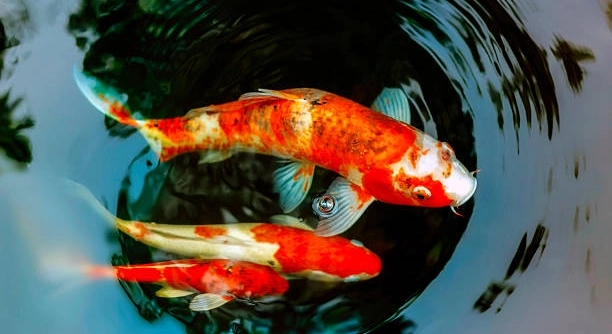
Koi fish often encounter birds in their environment, and their reactions can vary widely. These responses depend on several factors, including the koi’s personality and prior experiences. Understanding these differences can help koi owners better protect and care for their fish.
Koi exhibit distinct behavioral reactions to birds based on factors such as species, size, and perceived threat level. Some koi may hide or flee quickly, while others remain calm or display curiosity. These variations reflect innate survival instincts and environmental adaptations.
Recognizing these differences helps in creating safer pond environments and improving koi well-being around birds.
Flight Response: How Koi React to Bird Presence
When koi sense birds nearby, their first reaction is often to swim away quickly. This sudden movement is a natural defense mechanism to avoid potential predators. Some koi may hide under plants, rocks, or pond features to stay out of sight. Others stay near the bottom, hoping to remain unnoticed. The intensity of this flight response depends on the bird species and the koi’s past encounters. If birds frequently visit the pond, koi may become more cautious over time. However, some koi show less fear, especially if they are used to harmless birds or regular human activity. Recognizing these behaviors helps owners decide how to protect their koi without stressing the fish unnecessarily. Adding hiding places or using bird deterrents can reduce stress and prevent injury. Understanding this response also improves overall pond management by anticipating koi movements during bird visits.
Koi’s flight reactions vary depending on threat levels and their familiarity with birds. Some flee immediately, while others assess the situation calmly.
Adapting the pond environment to support koi hiding spots and minimize bird access helps maintain a peaceful habitat. This approach reduces the stress koi feel when birds are near, ensuring their health and comfort remain priorities.
Curiosity Versus Caution: Different Koi Attitudes Toward Birds
Some koi show curiosity rather than fear when birds approach. These fish may swim closer to investigate or stay near the surface watching the bird’s movement. This behavior can indicate koi that feel safe or have little experience with predators. Curiosity often happens with smaller, non-threatening birds like sparrows or pigeons. However, this attitude can increase risk if the bird suddenly tries to catch the fish. Caution is more common among koi that have experienced distress or seen other fish escape. These koi remain alert and ready to flee at the first sign of danger. Owners should observe koi behavior closely to understand which fish are more vulnerable. This knowledge allows for targeted protection measures and helps prevent accidental harm from birds.
Curious koi show interest but can still be cautious. Their behavior varies widely depending on past experiences and individual temperament.
Providing balanced exposure to harmless birds and adequate shelter encourages koi to develop safer behaviors without increasing risk. This balance supports a healthier, less stressed fish population in the pond.
Stress Indicators in Koi Due to Birds
Koi can show stress through erratic swimming or reduced appetite when birds are nearby. These signs indicate discomfort that may affect their health if prolonged.
Stress from bird presence often causes koi to hide excessively or stay motionless at the pond bottom. Continuous stress weakens their immune system, making them prone to diseases. Stress behavior may include frequent darting movements or staying away from the surface, reducing feeding time. Identifying these signs early allows for interventions that minimize koi distress. Creating a more secure pond environment with ample cover can help reduce the impact of bird-induced stress.
Managing stress involves balancing koi exposure to birds and providing a calm habitat. Proper pond design and occasional bird deterrents can lower stress levels and improve koi well-being. Reducing stress supports better growth, coloration, and longevity for the fish.
Territorial Responses Among Koi
Some koi become territorial when birds approach the pond, displaying defensive behavior. This may involve chasing other fish or increased activity near pond edges. Territorial koi use these actions to protect themselves and their space from perceived threats.
Territorial behavior can intensify if koi feel cornered or stressed by repeated bird visits. These fish may chase birds away by splashing or creating noise at the surface. This behavior can also lead to aggression toward other koi, potentially causing injury or stress within the group. Understanding which koi exhibit territorial responses helps manage social dynamics in the pond. Providing ample space and hiding spots reduces conflicts and keeps territorial behaviors at manageable levels. Observing these interactions aids in maintaining a balanced, peaceful pond environment.
Feeding Behavior Changes Around Birds
Koi often reduce feeding when birds are present, feeling vulnerable. This can lead to slower growth if the behavior continues over time.
Some koi may only feed when birds leave or when it feels safe. This cautious approach protects them from potential danger.
Impact of Bird Size on Koi Reaction
Larger birds tend to provoke stronger reactions from koi. The fish are more likely to flee quickly or hide, seeing these birds as bigger threats.
Smaller birds usually cause less disturbance. Koi may watch them calmly or swim nearby without panic, as the perceived risk is lower.
Koi Group Behavior When Birds Appear
Koi often group together when birds approach, using safety in numbers to reduce individual risk. This schooling behavior helps them stay alert and respond quickly to danger.
Seasonal Variations in Koi Responses
Koi reactions to birds can change with the seasons. During colder months, fish may be less active and less responsive to birds.
FAQ
How can I tell if my koi are stressed by birds?
Signs of stress include erratic swimming, hiding for long periods, and reduced appetite. You might notice koi darting suddenly when birds fly overhead or staying near the bottom of the pond. Prolonged stress can weaken their immune system, making them more vulnerable to illness.
What are simple ways to reduce koi stress from birds?
Adding plants, rocks, or artificial covers provides koi places to hide. Installing bird deterrents like reflective tape or decoys can also keep birds at bay. These measures help koi feel safer and reduce the frequency of stressful encounters.
Do all koi react the same way to birds?
No, koi have individual personalities and past experiences that influence their reactions. Some are more curious and less fearful, while others may flee or hide quickly. The species and size of the bird also affect how koi respond.
Can bird presence affect koi feeding habits?
Yes, koi tend to eat less or stop feeding when birds are nearby. This cautious behavior protects them from potential predators but can slow their growth if it happens often. Feeding koi at safer times can help maintain their health.
Are certain bird species more threatening to koi?
Larger birds, like herons or egrets, pose a bigger threat and cause stronger reactions. Smaller birds usually cause less stress and may even be ignored by some koi. Knowing local bird habits helps in protecting koi more effectively.
Is it normal for koi to become territorial around birds?
Some koi display territorial behavior as a defense mechanism. They may chase other fish or splash near the surface to scare birds away. While this is natural, excessive aggression can harm other koi and should be monitored.
How does the environment influence koi reactions to birds?
A well-designed pond with plenty of hiding spots reduces stress and aggressive behavior. If the pond is exposed with little cover, koi feel more vulnerable. Proper landscaping and shelter encourage calmer koi responses.
Do koi reactions to birds change over time?
Yes, koi can become more accustomed to birds if they learn the birds are not a real threat. However, if a koi has experienced harm, it may remain fearful or stressed. Consistent protection and a calm environment help koi adapt positively.
Should I use bird deterrents all year round?
Bird deterrents are most effective when used during seasons when birds are active and koi are more vulnerable. Overuse might cause unnecessary stress to both koi and local wildlife. Seasonal adjustments improve pond harmony.
Can koi survive bird attacks?
Koi can survive minor attacks if injuries are treated promptly. Severe injuries may require veterinary care or lead to infection. Preventive measures are critical to avoid harm and keep koi healthy in the long term.
Is it necessary to separate koi from birds physically?
Physical barriers like netting provide the most reliable protection against bird attacks. This is especially important in areas with large predatory birds. While not always practical, nets create a safer environment for koi.
How do seasonal changes affect koi’s reactions to birds?
In colder months, koi are less active and respond less to birds. During warmer months, their reactions are stronger due to increased activity and feeding. Seasonal behavior affects how koi interact with their surroundings.
What role does koi size play in their reaction to birds?
Larger koi tend to be less fearful and may defend themselves more aggressively. Smaller or younger koi are more vulnerable and often hide or flee. Size influences both behavior and risk level during bird encounters.
Can koi coexist peacefully with birds in the same pond?
Peaceful coexistence is possible with proper pond design and management. Providing shelter and minimizing bird access points reduces stress for koi. Careful observation ensures both species can share the environment safely.
How do I monitor koi behavior effectively?
Regular observation during feeding times and when birds are near helps identify changes in koi behavior. Noticing stress signs or aggression early allows for timely adjustments in pond care and bird management.
Final Thoughts
Koi fish show a variety of reactions when birds come near their pond. These reactions depend on the individual koi, the type of bird, and the environment around the pond. Some koi may become stressed, hiding or swimming erratically, while others may show territorial behavior or group together for safety. These differences are important to understand because they affect the koi’s health and well-being. Stress caused by birds can weaken koi over time, leading to illness or slower growth. Knowing how koi respond helps pond owners take steps to protect their fish.
Creating a safe and comfortable environment for koi is essential. Providing plenty of hiding places with plants, rocks, or artificial shelters gives koi places to retreat when they feel threatened. Using bird deterrents or barriers can reduce the frequency of bird visits, lowering koi stress. Proper pond design, including deeper areas and shaded spots, supports koi in feeling secure. These measures not only improve the quality of life for the koi but also help maintain a balanced pond ecosystem. When koi feel safe, they feed better, grow healthier, and show more vibrant colors.
It is important to watch koi behavior regularly. Observing how they react to birds and changes in their environment helps identify any issues early. Early detection of stress or aggression can guide adjustments in pond care or bird management to protect the fish. Understanding koi behavior around birds is part of good pond maintenance and promotes long-term health. A calm and secure environment benefits both koi and their owners, creating a peaceful setting where koi can thrive without constant worry about predators.

Hello,
If you enjoy the content that we create, please consider saying a "Thank You!" by leaving a tip.
Every little bit helps us continue crafting quality advice that supports the health, happiness, and well-being of pets around the world, for pets of all shapes, sizes, and species.
We really appreciate the kindness and support that you show us!