
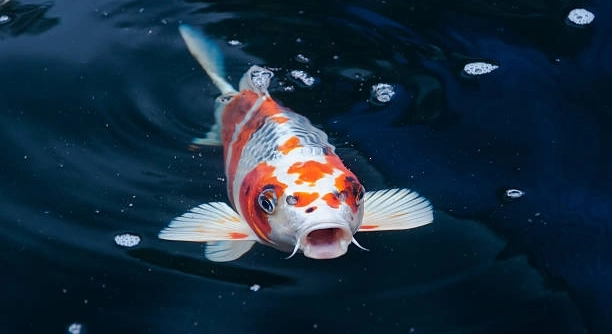
Koi fish are known for their calm and graceful nature, but sometimes they behave in ways that surprise their owners. These unusual actions often happen suddenly and overnight, leaving many people puzzled. Understanding these behaviors can help keep koi healthy and happy.
Several strange koi actions can occur overnight, such as sudden changes in swimming patterns, rapid gill movement, erratic darting, unusual hiding, floating at the surface, rubbing against objects, and sudden loss of appetite. These behaviors may indicate stress, illness, or environmental changes affecting the fish.
Recognizing these signs early can help koi keepers respond appropriately and maintain a healthy pond environment. The following details explain each behavior and its possible causes.
Sudden Changes in Swimming Patterns
Koi usually swim calmly and steadily, but sometimes they start moving in strange ways overnight. They might swim in circles, dart suddenly, or even stay near the surface for long periods. These changes can happen quickly and without any clear reason. It might be a sign that something in their environment has changed or that they are feeling unwell. Water temperature shifts, poor water quality, or sudden noises can make koi nervous and affect their swimming. Sometimes, they might be avoiding other fish or searching for food in unusual spots. Observing these patterns closely can help spot any health or pond issues early. If koi continue to swim oddly, checking water parameters and looking for signs of illness can prevent bigger problems. Many koi owners find that correcting water conditions or removing stressors brings the fish back to normal behavior fairly quickly.
Odd swimming behavior can indicate discomfort or stress in koi fish. Early attention helps prevent worsening conditions.
Swimming changes might seem small but can reveal important details about your koi’s health and pond environment. Keeping the water clean and stable is essential. If the fish swim erratically, test for ammonia, nitrites, or pH imbalances. These chemicals, even in small amounts, affect koi quickly. Also, make sure there is enough oxygen in the water. Aerators or waterfalls can help with this. Watching for other signs like loss of appetite or color fading is important too. Sometimes a vet check is necessary if the behavior does not improve after adjusting the pond conditions.
Rapid Gill Movement
Rapid gill movement in koi is often a sign that the fish is trying to get more oxygen. This usually happens when the water is low in oxygen or when the fish is stressed. It might look like the koi is breathing very fast or gasping at the surface. This behavior can start suddenly overnight, especially if the pond’s oxygen level drops due to warm weather or overfeeding. Koi are sensitive to changes in water quality, so poor filtration or a buildup of waste can cause this issue. Fixing the water quality and adding aeration usually helps the koi calm down and breathe normally again.
When koi show rapid gill movement, oxygen deficiency in the pond is likely causing stress or discomfort.
Low oxygen levels are one of the most common causes of rapid gill movement in koi fish. Warm water holds less oxygen, so summer months can be challenging for pond owners. Overcrowding and excess organic material increase oxygen demand, making it hard for koi to get enough air. Adding air pumps, fountains, or waterfalls improves oxygen circulation. Reducing feeding amounts and cleaning filters regularly helps keep water quality high. If koi continue to gasp for air despite these efforts, checking for diseases like gill flukes or bacterial infections is important. These conditions damage the gills and make breathing difficult, requiring prompt treatment. Understanding how to maintain oxygen balance ensures koi stay healthy and active.
Erratic Darting Movements
Erratic darting usually means koi are startled or stressed. This behavior often happens overnight when sudden noises or vibrations disturb them. It can also be a reaction to parasites or poor water quality.
Koi may dart quickly in short bursts, changing direction sharply and often colliding with pond decorations or each other. This can injure the fish if it continues. Parasites like flukes cause irritation, making koi try to escape discomfort by sudden movements. Low oxygen or toxic chemicals in the water also make them uneasy and prone to darting. Observing this behavior alongside other symptoms can help identify the cause.
Correcting water quality and treating parasites are the main ways to reduce erratic darting. Removing sudden disturbances and maintaining a calm pond environment also helps koi feel safer and swim more smoothly over time.
Unusual Hiding Behavior
Koi hiding more than usual often indicates stress or illness. They may seek shelter behind rocks, plants, or decorations to feel secure from perceived threats or discomfort.
When koi suddenly hide overnight, it is often because of changes in their environment. New fish, loud noises, or shifts in water temperature can trigger hiding. Illness can also cause koi to retreat to quiet areas, especially if they feel weak or vulnerable. Sometimes poor water quality makes them less active and more prone to hiding. Watching for other signs like loss of appetite or changes in color is important to understand the cause.
Providing plenty of hiding spots in the pond is beneficial but excessive hiding means something is wrong. Testing water quality and checking for disease is necessary. Sometimes quarantining affected fish helps prevent spreading illness to others. Adjusting the environment and treatment usually brings koi back to normal activity levels.
Floating at the Surface
Koi floating near the surface often means they are trying to get more oxygen. This can happen when oxygen levels drop or water quality worsens.
If koi stay near the surface for a long time, it signals a problem with the pond environment. Immediate action is needed to improve water conditions and oxygen supply.
Rubbing Against Objects
Koi rubbing their bodies on rocks or plants is usually a sign of irritation or discomfort. Parasites or skin infections often cause this behavior.
Sudden Loss of Appetite
A sudden drop in appetite can signal stress, illness, or poor water conditions. Monitoring water quality and koi health closely is important to catch issues early.
Why do koi change their swimming patterns overnight?
Koi may change how they swim suddenly due to stress or changes in their environment. Temperature shifts, water quality problems, or sudden loud noises can make them swim erratically. Sometimes, parasites or illness also cause unusual movements. Keeping the pond stable helps koi swim normally.
What causes rapid gill movement in koi?
Rapid gill movement usually means koi are trying to get more oxygen. This happens when oxygen levels in the pond drop or when koi are stressed by poor water quality or infections. Improving aeration and water cleanliness often fixes this problem.
Why do koi dart suddenly and erratically?
Koi dart quickly when startled or irritated. This can be from parasites, low oxygen, or noisy disturbances near the pond. Erratic darting might also happen if water chemicals are unbalanced. Treating parasites and improving water quality helps calm their movements.
What does it mean when koi hide more than usual?
If koi hide more than normal, they may be stressed, sick, or uncomfortable. Changes in the pond, new fish, or poor water quality can cause hiding. Illness also makes koi seek shelter. Testing water and checking for disease is important if hiding increases.
Why do koi float near the surface for long periods?
Floating near the surface usually means koi are searching for oxygen. Warm water, overcrowding, or too much organic waste can lower oxygen levels. Adding aeration and cleaning the pond keeps oxygen high and koi comfortable.
What causes koi to rub against objects?
Koi rub themselves on rocks or plants when they feel irritated. Parasites, skin infections, or poor water quality often cause this behavior. Treating infections and improving water conditions helps stop rubbing.
Why do koi suddenly lose their appetite?
Loss of appetite can happen when koi are stressed, sick, or water quality is poor. It might be a sign of infection or parasites. Watching water conditions and koi behavior closely helps catch problems early and improve feeding again.
How can I improve my koi’s overnight strange behaviors?
Maintaining stable water conditions is key. Regularly test water for ammonia, nitrites, pH, and oxygen levels. Keep the pond clean and avoid overcrowding. Provide hiding spots and reduce sudden loud noises. If illness is suspected, consult a vet or use proper treatments.
When should I be worried about strange koi behavior?
If strange behaviors last more than a day or are accompanied by physical signs like sores, faded colors, or heavy breathing, it’s time to take action. Prompt water testing and treatment help prevent serious health issues.
Can seasonal changes affect koi behavior overnight?
Yes, seasonal temperature changes affect koi metabolism and oxygen needs. Sudden cold or heat shifts can stress koi, causing unusual swimming or hiding. Adjusting feeding and monitoring water quality during these times is important.
Koi fish are wonderful creatures that bring calm and beauty to any pond. However, they sometimes show strange behaviors that can be confusing or worrying, especially when these actions happen overnight. Understanding why koi act differently helps owners care for them better. Many unusual koi behaviors are signs that something in their environment or health needs attention. By learning to recognize these signs early, koi keepers can take steps to improve conditions and keep their fish happy and healthy.
Keeping a pond clean and well-balanced is the best way to prevent most strange koi behaviors. Regularly checking water quality for oxygen levels, pH, ammonia, and nitrites is very important. Koi are sensitive to changes in their environment, so sudden shifts in temperature, overcrowding, or poor filtration can cause stress. Stress often shows as odd swimming, hiding, or rubbing. Making sure koi have enough space, fresh water, and a quiet environment helps reduce stress and keeps them calm. Adding plants and places to hide can also make koi feel safer and less likely to act strangely.
If unusual behaviors continue despite good pond care, it may mean illness or parasites are affecting the koi. Many health problems cause koi to lose appetite, rub against objects, or breathe rapidly. Early treatment is important to prevent these issues from worsening. Consulting with a vet or fish expert can provide guidance on the best medicines or treatments. Watching koi daily and acting quickly when problems appear makes a big difference. Overall, caring for koi requires attention to detail but also patience. These beautiful fish often show their needs through behavior, and responding to these signals helps create a thriving pond environment.

Hello,
If you enjoy the content that we create, please consider saying a "Thank You!" by leaving a tip.
Every little bit helps us continue crafting quality advice that supports the health, happiness, and well-being of pets around the world, for pets of all shapes, sizes, and species.
We really appreciate the kindness and support that you show us!