
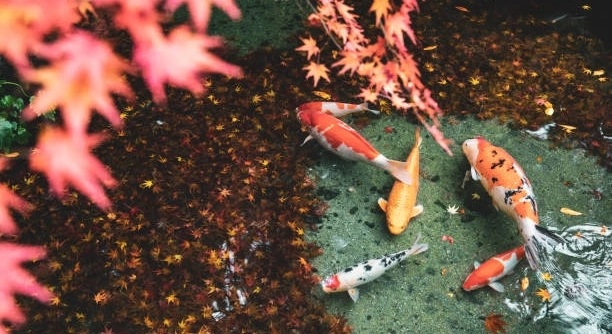
Koi fish often change their depth in the water to find comfort. Their movements are influenced by temperature, light, and oxygen levels. Understanding these changes helps in caring for them better and maintaining a healthy environment.
Koi adjust their depth primarily to regulate body temperature, avoid predators, and access optimal oxygen levels. These behavioral shifts are natural responses to environmental changes and are crucial for their well-being and survival.
Knowing when and why koi change their depth can improve how you manage their pond habitat and keep them healthy throughout the seasons.
Temperature Changes and Comfort Zones
Koi are very sensitive to changes in water temperature. When the weather warms up, they often swim closer to the surface where the water is warmer. In colder months, they tend to move deeper to find more stable temperatures. This helps them conserve energy and maintain proper body functions. Temperature shifts can happen quickly, especially in shallow ponds, so koi adjust their depth to stay comfortable. Warmer water near the top can also hold less oxygen, so koi may swim deeper if they need more oxygen. Observing koi behavior during temperature changes can tell you a lot about their comfort and health. If they stay too long at the surface during cold weather, it could signal stress or illness. Providing shade and aeration in the pond can help balance temperature and oxygen levels, making it easier for koi to find a comfortable spot.
Temperature plays a major role in koi depth changes, directly impacting their comfort and health.
Watching koi adjust to temperature can help you create a better environment for them in your pond.
Light and Shade Preferences
Koi often move deeper or closer to the surface based on light intensity. Bright sunlight can make them seek shaded or deeper areas to avoid stress and overheating. They prefer softer light, which reduces their energy use and protects their skin from damage. During cloudy days or early mornings, koi are more active near the surface, exploring and feeding. Light also affects the growth of plants and algae, which influences where koi like to stay. Providing floating plants or shaded spots in the pond helps koi feel secure and comfortable. When koi feel safe, they show more natural behaviors and stay healthier. Adjusting the pond’s light conditions can reduce koi stress and improve their overall well-being. It’s important to balance light exposure with shaded areas to give koi options for comfort throughout the day.
Depth changes related to light help koi regulate their comfort and avoid stress in varying conditions.
Oxygen Levels and Koi Depth
Koi change depth to find water with better oxygen. Low oxygen near the surface or bottom makes them swim where oxygen is higher.
Oxygen levels fluctuate due to temperature, plant growth, and water movement. During hot days, oxygen near the surface drops because warm water holds less oxygen. Koi swim deeper to cooler, oxygen-rich areas. At night, plants consume oxygen, lowering levels near the surface, causing koi to move down. Aeration devices help maintain good oxygen throughout the pond. Watching where koi spend their time can show if oxygen is uneven.
Oxygen is vital for koi health, so their depth changes often reflect their need to find enough oxygen. Poor oxygen can stress koi, making them more vulnerable to disease. Keeping oxygen balanced supports koi comfort and vitality.
Predator Avoidance and Safety
Koi often swim deeper to avoid predators. When they sense danger near the surface, they move down to feel safer.
Predators like birds or raccoons can scare koi into hiding deeper or among plants. Koi rely on depth and pond features like rocks or vegetation for protection. During feeding, they may come up but quickly return to deeper water if threatened. Creating hiding spots in the pond reduces stress and allows koi to feel secure. Over time, koi learn to read danger signals and adjust their depth accordingly. This natural behavior helps them survive and stay calm in their environment. Maintaining a safe pond encourages koi to explore comfortably without constant fear.
Water Quality and Comfort
Koi move to different depths to avoid poor water conditions like high ammonia or waste buildup. Cleaner water layers make them feel safer.
Stagnant or polluted water near the bottom can push koi upward or to clearer zones. Good filtration helps keep water quality stable throughout the pond.
Feeding Habits and Depth
Koi often come closer to the surface during feeding times because food is usually offered there. They stay near the top when they expect to eat. Koi remember feeding schedules and adjust their depth to be ready. After feeding, they may swim deeper to digest or avoid competition.
Seasonal Changes and Depth
Koi depth changes with the seasons, adjusting for temperature, oxygen, and comfort. These natural shifts help them survive through spring, summer, fall, and winter conditions.
Why do koi swim near the surface sometimes?
Koi swim near the surface mainly to feed or when the water conditions near the top are more comfortable. During feeding, they expect food and come up eagerly. They also swim near the surface when the temperature is warmer or oxygen levels are higher there. In the early morning or cloudy days, koi often explore the upper water layer because the light is softer and the temperature is stable. However, if they stay at the surface too long, it might mean low oxygen or stress, so it’s good to check your pond conditions.
Why do koi move to deeper water?
Koi move deeper to escape heat, predators, or low oxygen near the surface. Cooler water deeper down can help them stay comfortable during hot weather. Also, if there are threats like birds or loud noises, koi hide deeper to feel safe. Sometimes, poor water quality near the surface, such as excess algae or waste, pushes koi down. The deeper water usually holds more oxygen during hot days, so koi naturally swim there to breathe easier. Providing good pond structure with shaded areas and plants helps koi feel secure at different depths.
How often do koi change their depth?
Koi can change depth multiple times a day depending on factors like temperature, oxygen, light, and feeding times. In warmer weather, they may move deeper during midday heat and come up in cooler mornings or evenings. When feeding, koi often swim near the surface but return to deeper water after eating. Seasonal shifts also cause depth changes, with koi staying deeper in cold months and moving more actively near the surface in warmer months. Watching these movements helps understand their needs and keep the pond balanced.
Can koi depth changes signal health problems?
Yes, unusual depth behavior can indicate health issues. For example, if koi stay at the surface gasping for air, it often means low oxygen or poor water quality. If they stay at the bottom and appear lethargic, it could signal illness or stress. Rapid or constant depth changes may also show discomfort. It’s important to check water parameters like temperature, oxygen, ammonia, and pH if koi behavior seems off. Early detection of these signs can help prevent serious health problems by adjusting pond care or seeking advice.
What pond features help koi feel comfortable at different depths?
Features like plants, rocks, and shaded areas give koi places to hide and rest safely. Floating plants provide shade near the surface, reducing light and heat stress. Rocks and submerged structures create hiding spots at deeper levels. Proper aeration keeps oxygen levels balanced throughout the pond. A well-designed pond with varied depths and cover lets koi choose where they feel most comfortable. These features reduce stress and encourage natural behavior, promoting better health and activity.
How does temperature affect koi depth changes?
Temperature strongly influences koi depth. They seek warmer water near the surface during cold months to stay active and move deeper in hot months to avoid overheating. Temperature changes affect water oxygen levels too, so koi swim where conditions best suit their needs. Sudden shifts, like after rain or sun exposure, can cause koi to move quickly to find comfort. Monitoring pond temperature and providing shade or heaters when needed helps maintain stable conditions for koi.
Are koi more active at certain depths?
Koi activity varies with depth and conditions. They are often more active near the surface during feeding or mild weather when oxygen and temperature are optimal. In deeper water, koi tend to rest or digest food, especially during hot or cold extremes. The middle depth is usually where koi swim most comfortably throughout the day, balancing light, temperature, and oxygen. Activity levels depend on time of day, season, and pond setup. Observing koi activity can guide adjustments to improve their environment.
Can koi depth changes affect pond maintenance?
Yes, koi movement through different depths affects water circulation and cleanliness. When koi swim near the bottom, they may stir up sediment, increasing waste in the water. Near the surface, they influence oxygen exchange and feeding routines. Understanding koi behavior helps in planning filtration and aeration systems that keep water clean and oxygenated at all levels. Regular pond maintenance must consider how koi use the space, ensuring all areas remain healthy and comfortable for the fish.
Do all koi change depth the same way?
Individual koi may have different depth preferences based on size, health, and personality. Some are more adventurous, swimming near the surface often, while others prefer deeper, calmer areas. Younger koi tend to be more active and explore various depths, while older or larger koi may stay deeper to conserve energy. Environmental factors also influence behavior differently for each koi. Watching your specific koi helps understand their patterns and meet their unique needs better.
Koi changing their depth in the pond is a natural and important behavior. These changes help them find the best conditions for comfort and survival. Factors like temperature, oxygen, light, and safety influence where koi like to stay at different times. Understanding these reasons can help you provide a better environment for your koi. When koi move up or down in the water, they are trying to balance their needs and feel safe. Watching their movements closely can give you clues about how healthy your pond is and if any changes are needed.
Maintaining a good pond environment is key to supporting koi comfort. This includes keeping the water clean and well-oxygenated, providing shaded areas, and making sure the temperature stays stable. Plants and rocks in the pond also help koi feel secure by giving them places to hide or rest. When the pond has these features, koi can easily move to different depths without stress. It is important to check water quality regularly and adjust care based on what koi behavior shows. By doing this, koi are less likely to get sick or stressed, and they can thrive all year round.
In summary, koi depth changes are not random but a sign of how they respond to their environment. Providing the right pond setup makes it easier for koi to find comfort at any depth. Paying attention to their behavior can prevent problems before they start. Whether it’s adjusting aeration, adding plants, or monitoring temperature, these small actions can greatly improve koi health and happiness. Taking time to observe and care for your koi creates a peaceful and balanced pond where they can live well for many years.

Hello,
If you enjoy the content that we create, please consider saying a "Thank You!" by leaving a tip.
Every little bit helps us continue crafting quality advice that supports the health, happiness, and well-being of pets around the world, for pets of all shapes, sizes, and species.
We really appreciate the kindness and support that you show us!