
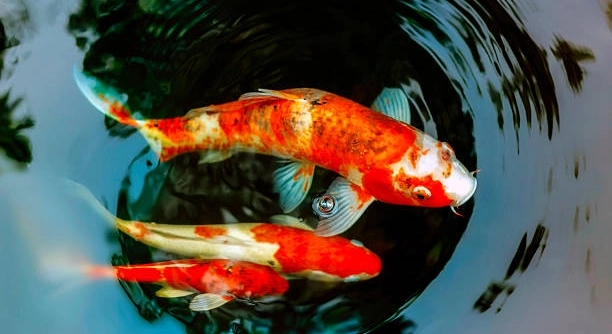
Koi fish display various subtle behaviors that can reveal their well-being. Observing these movements helps owners identify when their koi might be under stress. Recognizing signs early supports healthier care and a happier environment for these fish.
Seven specific motion details indicate stress in koi, including erratic swimming patterns, reduced activity, rapid gill movement, loss of balance, surface gasping, fin clamping, and sudden darting. These behaviors reflect physiological or environmental stressors affecting koi health.
Noticing these signs can help koi keepers address problems promptly. Understanding movement patterns is essential for maintaining koi vitality and preventing serious health issues.
Erratic Swimming Patterns
Koi usually swim gracefully and smoothly through the water. When you notice sudden jerky movements or erratic swimming, it can be a clear sign of stress. This behavior may indicate discomfort caused by poor water quality, parasites, or sudden changes in temperature. Erratic swimming also suggests that the koi is trying to escape an irritant or a threat. Observing this early can prevent more serious health problems. Adjusting the environment and checking water parameters often helps calm the fish. If the behavior continues, it may be necessary to consult a professional for diagnosis and treatment. Keeping the pond clean and stable is crucial to avoid stress-related movements. Consistent monitoring allows you to react quickly, ensuring your koi remain healthy and comfortable.
Erratic swimming signals a disturbance in the koi’s environment or health. Prompt action is necessary to address underlying issues.
Addressing erratic swimming requires assessing water quality first. Test for ammonia, nitrites, and nitrates, as elevated levels cause irritation. Temperature fluctuations should be minimized to keep koi comfortable. Examine fish for visible parasites or injuries. A well-maintained filtration system supports water clarity and stability. If needed, isolate affected koi in a quarantine tank to reduce stress on others and facilitate treatment. Regular observation helps track improvements or worsening signs. Feeding high-quality food and avoiding overcrowding also reduces stress. By addressing these factors, koi regain normal swimming behavior and overall vitality.
Rapid Gill Movement
Rapid gill movement in koi often points to respiratory stress. This can occur when oxygen levels in the water are too low or when the fish is struggling with infections or toxins. Healthy koi have steady, calm gill movements. When breathing becomes fast or labored, it means the koi is working harder to get enough oxygen. Factors like poor aeration, overcrowding, or buildup of waste can reduce oxygen availability. Checking pond aerators and ensuring good water circulation helps keep oxygen levels adequate. Keeping the pond clean and removing excess debris also supports better breathing conditions. If rapid gill movement persists, a health issue may need veterinary attention.
Rapid gill movement signals insufficient oxygen or respiratory distress. Immediate pond maintenance and monitoring are essential.
Low oxygen conditions often result from inadequate aeration or poor water circulation. Warm water holds less oxygen, so temperature control is important, especially in summer months. Overcrowding increases demand on oxygen and creates stress. Organic waste from uneaten food and fish waste consumes oxygen during decomposition. Regular water changes and cleaning prevent these problems. Adding aquatic plants can improve oxygen levels naturally during daylight hours. If infection is suspected, treat the pond according to expert advice. Maintaining balanced water parameters and proper stocking density keeps koi gill movement normal and ensures long-term health.
Loss of Balance
Loss of balance in koi often shows as tilting or floating unevenly. This is a clear sign that something is affecting the fish’s internal system, such as swim bladder issues or infections. It is important to act quickly when you see this behavior.
Swim bladder problems are a common cause of balance loss in koi. This organ helps control buoyancy, and if it is damaged or infected, the fish will struggle to swim properly. Poor water quality or sudden temperature changes can worsen the condition. Injuries or parasites may also affect the koi’s nervous system, leading to balance problems. Keeping the pond clean and stable helps reduce risks. If the issue persists, isolating the affected fish and consulting an expert is necessary.
Treatment often includes improving water conditions and offering a diet that supports digestive health, which can affect the swim bladder. In some cases, antibiotics or specific medications might be required to address infections. Early detection improves the chances of recovery. Monitoring koi regularly helps catch balance issues before they become severe.
Surface Gasping
Surface gasping occurs when koi come to the water’s surface to breathe frequently. This usually indicates low oxygen levels in the pond, especially during warm weather or overcrowding. Immediate steps should be taken to improve oxygen availability.
Oxygen levels can drop due to poor aeration, high temperatures, or excess organic waste. When koi gasp for air at the surface, it means they cannot get enough oxygen from the water below. Aerators and water pumps increase oxygen circulation and reduce this behavior. Reducing the number of fish or feeding less can also help maintain balance. Keeping the pond free of decaying plants and debris prevents oxygen depletion. Surface gasping is a warning sign that the pond environment needs attention to avoid stressing the koi further.
Fin Clamping
Fin clamping happens when koi hold their fins close to their bodies instead of spreading them out naturally. This behavior often signals discomfort or stress caused by poor water quality, illness, or parasites.
It is an early indicator that koi may be unwell. Regularly checking water parameters and observing fish behavior helps prevent worsening conditions.
Sudden Darting
Sudden darting involves quick, sharp movements across the pond. This can result from irritation by parasites, sudden noises, or changes in the environment that startle the koi. Identifying and removing stressors is crucial to reduce this behavior and maintain koi health.
Reduced Activity
When koi show less movement or stay in one spot for long periods, it often means they are stressed or sick. Low activity is a sign that something in their environment or health needs attention to restore normal behavior.
What causes stress in koi fish?
Stress in koi fish can arise from several sources, including poor water quality, sudden changes in temperature, overcrowding, and inadequate oxygen levels. Parasites and infections also contribute significantly to stress. Environmental factors like loud noises or excessive handling may disturb koi, causing erratic behavior and weakened immune responses. Ensuring stable and clean pond conditions is key to minimizing these stressors and keeping koi healthy.
How can I tell if my koi is stressed?
Signs of stress in koi include abnormal swimming patterns, rapid gill movement, loss of balance, fin clamping, and surface gasping. Behavior changes such as sudden darting or reduced activity also signal distress. Physical symptoms like clamped fins or floating awkwardly further indicate stress. Close observation of these signs helps catch problems early and improve koi care.
Why does my koi gasp at the surface?
Koi gasp at the surface primarily due to low oxygen levels in the water. Warm temperatures, overcrowding, and poor aeration reduce oxygen availability. Decomposing organic matter consumes oxygen as well. Surface gasping means the fish struggle to get enough oxygen through their gills, requiring immediate pond maintenance like increasing aeration or reducing stocking density.
What does fin clamping mean in koi?
Fin clamping means the koi holds its fins tightly against its body instead of spreading them naturally. This behavior signals discomfort or stress, often caused by poor water conditions, disease, or parasites. It serves as an early warning to check water parameters and fish health before the situation worsens.
How can I improve water quality for my koi?
Improving water quality involves regular testing and maintenance. Remove excess debris, perform partial water changes, and monitor levels of ammonia, nitrites, and nitrates. Use proper filtration and avoid overfeeding. Aerate the pond to boost oxygen. Keeping water stable and clean helps prevent stress and promotes koi well-being.
What should I do if my koi loses balance?
Loss of balance often relates to swim bladder issues or infections. Isolate the affected fish in a quarantine tank and maintain optimal water conditions. Provide a balanced diet and avoid sudden temperature shifts. If symptoms persist, seek professional advice to diagnose and treat possible infections or organ problems.
Can temperature changes stress koi?
Yes, koi are sensitive to rapid or extreme temperature changes. Sudden drops or spikes in water temperature stress their immune system and metabolism. Gradual adjustments and stable temperatures minimize stress. Insulating the pond or using heaters in cold seasons can help maintain safe temperature ranges.
How often should I check my koi’s behavior?
Daily observation is best to catch early signs of stress or illness. Watch for changes in swimming, breathing, and activity levels. Routine monitoring lets you respond quickly to problems and maintain a healthy pond environment for your koi.
Is overcrowding harmful to koi?
Overcrowding reduces oxygen availability and increases waste buildup, causing stress and health issues. Koi need adequate space to swim freely. Maintaining appropriate stocking levels and pond size supports their natural behavior and reduces stress-related problems.
What role does diet play in koi health?
A balanced diet supports immune function and overall vitality. Overfeeding or poor-quality food leads to waste buildup and water quality decline, increasing stress risks. Feeding high-quality, species-appropriate food in proper amounts helps maintain koi health and prevents digestive or swim bladder issues.
Final Thoughts
Recognizing stress in koi is essential for maintaining their health and well-being. The signs of stress can appear in different ways, such as changes in swimming behavior, loss of balance, fin clamping, or surface gasping. These symptoms indicate that something in their environment or health is not right. Paying close attention to these details helps prevent further complications and allows for early intervention. Consistent observation and care are important to keep koi comfortable and healthy.
Managing the pond environment plays a critical role in reducing stress for koi. Keeping the water clean, well-aerated, and stable in temperature supports their natural behavior. Avoiding overcrowding and feeding the fish a proper diet also helps maintain good water quality and fish health. Stress often results from multiple factors combined, so addressing all aspects of their environment is necessary. Regular testing and maintenance can reduce risks and improve the overall condition of the pond.
Taking care of koi requires patience and awareness. Stress can weaken their immune system, making them more prone to illness. Early detection of signs and quick action improves the chances of recovery and long-term health. Understanding what causes stress and how it shows in koi allows for better care and a healthier pond ecosystem. Careful attention to detail and a commitment to maintaining ideal conditions will ensure koi thrive and display their natural beauty.

Hello,
If you enjoy the content that we create, please consider saying a "Thank You!" by leaving a tip.
Every little bit helps us continue crafting quality advice that supports the health, happiness, and well-being of pets around the world, for pets of all shapes, sizes, and species.
We really appreciate the kindness and support that you show us!