
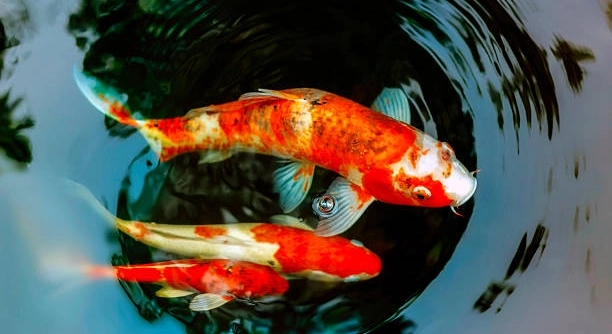
Are your koi acting a little different lately, spending more time together or staying close in the pond? These behaviors might be more than just coincidence and could signal something interesting about your koi’s interactions.
Koi often display pairing behaviors before spawning, including swimming side by side, nudging, and staying close together. These signs indicate potential breeding activity and help pond keepers identify when koi are beginning to form mating bonds.
Understanding these behaviors can help you care for your koi better and recognize important changes in their social patterns.
They Start Swimming Side by Side
When koi begin pairing off, one of the most noticeable signs is that two fish start swimming closely together. This side-by-side movement often looks synchronized, and they may stay near each other throughout the day. It’s not just casual interaction—it tends to become repetitive and focused. You may see the male shadowing the female, matching her pace and direction. This isn’t just friendly behavior; it can be part of courtship. This movement helps build familiarity between the pair and sets the stage for spawning. If you notice this behavior and it continues over several days, it’s likely your koi are beginning to form a breeding pair. Observing their movement gives you clues without having to disturb them.
You might notice the pair separating occasionally, but they’ll return to each other quickly. This temporary distance is still part of the process.
Keep an eye out for gentle nudges or the male swimming slightly behind the female. These actions further suggest a bond forming and courtship in progress.
They Become Territorial
During pairing, koi may act more protective over certain areas of the pond. One or both fish might begin defending specific spaces from other koi.
This territorial behavior is usually short-term and only happens when they are preparing to spawn. Koi may select a calm, sheltered section of the pond, and the pair will try to remain there. Other koi might be chased away if they get too close. This is the couple’s attempt to create a safe place for the female to eventually release her eggs. Sometimes, you might even see the male circling around this area while the female stays still. This is part of the ritual and can last for several days. It’s not aggressive in the same way as fighting—it’s more about keeping the space undisturbed. You might not see this behavior at other times of the year, which makes it a strong sign of pairing. It’s a quiet but telling shift in your koi’s usual routine.
They Begin Nudging Each Other
Nudging is a subtle but important sign. The male koi often starts gently nudging the female’s side or underbelly. This behavior is part of encouraging her to release eggs when the time is right.
The nudging is usually persistent and targeted, not random. It can look playful, but it has a clear purpose. You may notice the male using his snout to bump the female repeatedly. He often does this near shallow parts of the pond or close to aquatic plants. These areas are preferred for spawning because they offer protection for the eggs. If this nudging continues and the female doesn’t seem distressed, it’s a strong indicator that mating behaviors are underway. You might also see the male following closely behind her as he continues these nudges.
If multiple males are interested in the same female, several fish may nudge her at once. This can lead to increased splashing and activity.
They Spend Time in Shallow Areas
Spawning usually takes place in shallow water, so if you see your koi lingering there together, it can signal pairing. These areas are safer for laying eggs and make it easier for the male to fertilize them.
You may notice your koi staying in these shallow spots early in the morning or late in the afternoon when the water is calm. Shallow areas with plants or textured surfaces are especially attractive for this stage. The female needs a good surface to release her eggs, and the male will swim closely behind to fertilize them. You might hear more splashing than usual or see other koi being kept at a distance. If these behaviors happen alongside nudging or territorial guarding, it’s likely the koi are preparing to spawn. It’s important to give them space during this time to avoid stress or interruption. Keeping the pond environment quiet and clean can support the process.
Their Colors Appear More Vivid
During pairing season, koi colors can appear brighter and more defined. Hormonal changes related to breeding often enhance their natural pigments, making reds deeper and whites more vibrant. This change is especially noticeable in males.
You may also see a shimmer or glow when they swim near the surface. This visual cue is one of the simplest ways to spot seasonal shifts in behavior. The change doesn’t last long, but it often coincides with nudging and chasing.
The Males Start Chasing the Females
Chasing usually begins after other courtship behaviors have started. The male koi may swim after the female quickly, often nudging her sides as he does. This isn’t aggressive—it’s a strong sign that mating is underway. Chasing helps stimulate the female to release her eggs, especially in warm, shallow areas. You might hear splashing or see the pair circling repeatedly in one spot. It’s common for this behavior to last several hours or repeat over several days. If you notice multiple males chasing one female, this can also lead to brief competition but is still considered a normal part of koi spawning.
Other Fish Keep Their Distance
Non-pairing koi often move away from the activity. They sense the changes and avoid shallow areas or territories chosen by the pairing koi. This creates more space and reduces interruptions during the spawning process.
How can I tell if my koi are actually pairing or just swimming together?
Koi often swim close for social reasons, but pairing involves specific behaviors like synchronized swimming, gentle nudging, and territorial guarding. If you notice a consistent pair spending most of their time together in one area, especially shallow parts of the pond, it is a strong sign they are pairing. The male will frequently follow and nudge the female, which is different from casual swimming. These behaviors typically last for several days and intensify during breeding season, making it easier to distinguish pairing from normal group swimming.
Is it necessary to separate koi during pairing or spawning?
Separating koi during pairing is generally not needed unless aggression becomes severe. Pairing and spawning behaviors include chasing and nudging, which may look rough but usually don’t cause lasting harm. However, if you see signs of injury or excessive stress, it might be wise to provide more space or temporary separation. Ensure your pond is large enough with plenty of hiding spots to reduce competition and aggression. Most koi handle spawning naturally if their environment supports them well.
What environmental conditions encourage koi to pair and spawn?
Koi usually pair and spawn when water temperatures reach between 65°F and 75°F (18°C to 24°C). Longer daylight hours and stable water quality also help trigger breeding behaviors. Shallow, calm areas with plenty of plants or spawning mats provide safe places for egg-laying. Maintaining clean water, good oxygen levels, and a natural environment encourages koi to feel comfortable and ready for pairing. Sudden changes in water conditions may delay or disrupt this process.
How long does koi pairing and spawning last?
Pairing and spawning typically last from a few days to about a week. The active courtship phase, including nudging and chasing, usually happens over two to four days. Spawning itself may occur multiple times during this period. Afterward, koi often return to their normal social behaviors. This timing can vary based on water temperature, pond conditions, and the age or health of the koi.
Will koi eat their eggs or fry after spawning?
Yes, koi sometimes eat their own eggs or fry, especially if the eggs are easily accessible. This behavior is natural but can reduce the number of surviving offspring. To protect eggs and fry, it’s helpful to provide dense plant cover or spawning mats where eggs can stick and be hidden. Some keepers also remove eggs or transfer them to separate tanks to increase survival rates.
Can koi spawn without pairing behavior?
In some cases, koi may spawn without clear pairing behaviors, especially in crowded ponds or with multiple males chasing one female. However, pairing usually improves the chances of successful fertilization. Without pairing, spawning can be more chaotic, and fewer eggs may be fertilized properly. Pairing helps coordinate timing and location for egg release and fertilization.
How can I support koi during the pairing season?
Providing a calm and stable pond environment is key. Avoid sudden water changes, keep water quality high, and maintain appropriate temperatures. Adding spawning mats or dense plants offers safe spots for eggs. Feeding koi a balanced diet with increased protein can also support their energy needs during pairing. Minimizing disturbances around the pond helps reduce stress and allows natural behaviors to unfold.
What signs indicate that spawning has been successful?
After spawning, you might notice small clusters of sticky eggs attached to plants or spawning mats. These eggs are usually clear or slightly yellowish and will develop visible embryos within a few days. If the eggs remain intact and start to hatch, you’ll see tiny fry swimming near the plants. A healthy fry population is the best sign of successful spawning and fertilization. If eggs disappear quickly or show fungus, spawning success might be low.
Final Thoughts
Recognizing when your koi are pairing off helps you better understand their natural behaviors. The signs such as nudging, chasing, spending time in shallow areas, and changes in color are clear indicators that the fish are preparing to spawn. Observing these clues allows you to provide the right conditions to support the koi during this important phase of their life cycle. It also helps you know when to give them space and avoid disturbing their process. Paying attention to these behaviors can improve your overall experience in caring for koi and maintaining a healthy pond environment.
It is important to remember that koi pairing and spawning are natural activities that generally take place under certain environmental conditions. Water temperature, clean water quality, and availability of shallow spaces with plants or spawning mats all contribute to successful pairing. Offering a calm and stable environment reduces stress and promotes healthier behaviors in your fish. Sometimes, pairing behaviors such as chasing or nudging may appear aggressive, but this is part of the normal process. Understanding this can help you respond appropriately without unnecessary interference. Keeping your pond well-maintained throughout the year makes it easier for your koi to follow their natural reproductive cycle.
Supporting your koi during pairing season is beneficial for their well-being and increases the chances of successful spawning. Simple actions like maintaining good water quality, avoiding sudden changes, and providing proper nutrition can make a significant difference. Adding plants or spawning mats gives the fish safe places to lay eggs, protecting them from other pond inhabitants. Being patient and observant will allow you to appreciate the subtle signs your koi show as they prepare to reproduce. These moments reveal the complexity of koi behavior and emphasize the importance of thoughtful pond management.

Hello,
If you enjoy the content that we create, please consider saying a "Thank You!" by leaving a tip.
Every little bit helps us continue crafting quality advice that supports the health, happiness, and well-being of pets around the world, for pets of all shapes, sizes, and species.
We really appreciate the kindness and support that you show us!