
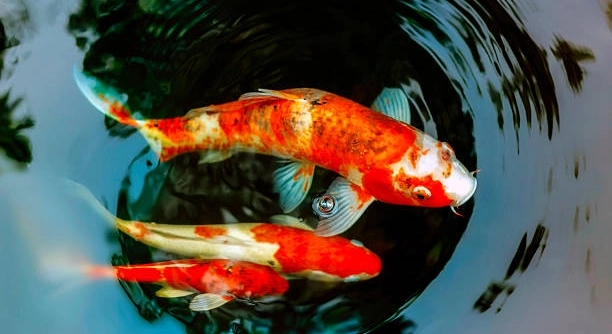
Koi fish are admired for their vibrant and striking colors. Many hobbyists want to enhance these colors naturally. Small changes in their environment can lead to noticeable improvements in koi appearance and health.
Improving koi color involves adjusting factors such as water quality, lighting, diet, and temperature. Environmental tweaks help optimize pigment development and reduce stress, promoting brighter and more vivid koi coloration. These methods are supported by observations in koi care practices.
Understanding these adjustments will help you maintain a healthier, more colorful koi pond and enjoy the beauty of your fish even more.
Water Quality and Clarity
Maintaining clean, clear water is essential for bringing out the best colors in koi. When water is dirty or cloudy, it can stress the fish and dull their colors. Regularly testing water parameters like pH, ammonia, nitrites, and nitrates helps keep conditions stable. Performing partial water changes every week removes waste and toxins that build up naturally. Filtration is another key aspect, as it helps keep debris and harmful substances out of the pond. Clean water lets koi reflect their natural bright hues and supports their overall health. Aeration is also important because oxygen-rich water helps koi stay active and vibrant. When you prioritize water quality, the colors of your koi will shine through more clearly. It’s a simple step that benefits both the fish and the pond environment.
Clear water makes koi colors more visible and reduces stress, helping them look healthier and more vibrant.
A healthy aquatic environment supports the fish’s natural color expression. Stress from poor water quality can cause fading or dulling of koi patterns. Regular maintenance creates a better habitat, which helps koi keep their bright red, orange, and white shades more intense. Consistency in water care also lowers the risk of disease, so your fish won’t lose color due to illness. Using natural pond plants can improve water clarity and offer shade, which protects koi from too much direct sunlight that may bleach their colors. Keeping the pond clean is a straightforward, effective way to improve koi coloration without expensive treatments.
Lighting Conditions
Lighting plays a big role in how koi colors develop and show off in a pond. Proper natural sunlight exposure boosts pigment production, especially the reds and oranges. However, too much direct sun can cause stress or bleaching, while too little light may make colors appear dull. A balanced amount of sunlight during the day is ideal, along with some shaded areas to protect koi when the sun is strongest. For indoor ponds or shaded gardens, using full-spectrum LED lights can mimic natural light and promote color growth. Adjusting light duration to about 10 to 12 hours daily supports healthy pigmentation without overexposing the fish.
Good lighting enhances natural koi colors and supports healthy fish activity. Bright but balanced light brings out vivid tones without causing stress or fading.
Diet and Nutrition
A balanced diet is crucial for vibrant koi colors. High-quality koi food with natural color enhancers like spirulina, krill, and carotenoids improves pigmentation. Feeding them fresh vegetables and occasional treats also supports overall health.
Koi require a variety of nutrients to maintain their bright colors. Foods rich in carotenoids, such as shrimp and algae, directly impact red and orange hues. Including spirulina in their diet encourages deeper blue and green shades. Avoid overfeeding, as excess food can pollute the pond, which harms water quality and fish health. Seasonal changes affect koi appetite, so adjust feeding amounts accordingly to prevent waste buildup. A consistent, nutrient-rich diet keeps koi healthy and intensifies their natural color patterns.
Feeding koi fresh, nutritious food with natural pigments enhances their appearance. Avoid processed fillers and focus on ingredients that support skin and scale health. Providing variety also boosts immunity, helping koi resist color-dulling diseases. Remember, a happy koi is a colorful koi.
Temperature Control
Koi colors often brighten in warmer water because higher temperatures improve metabolism and digestion, which supports pigment development. Keeping pond temperature between 65°F and 75°F is ideal.
Rapid temperature changes or extremes can stress koi and cause colors to fade. Using heaters or shade structures helps maintain stable temperatures. During cold months, koi become less active and their colors may dull temporarily. Avoid sudden temperature drops by insulating the pond or adding aeration to prevent freezing. Gradual warming in spring encourages koi to regain vibrant hues as their activity increases.
Stable water temperatures help koi maintain consistent, vivid coloration. Proper temperature management reduces stress and supports healthy metabolic function, allowing pigments to develop fully and remain bright.
Stress Reduction
Stress can cause koi colors to fade quickly. Keeping a calm environment with minimal sudden changes helps koi stay vibrant. Avoid overcrowding and provide plenty of hiding spots.
Regularly check water quality and watch for aggressive behavior. Reducing stress improves koi immune systems, which supports color retention.
Pond Plants
Aquatic plants provide shade and shelter, which reduces stress and prevents color fading. They also improve water quality by absorbing excess nutrients, limiting algae growth.
Plants create a balanced ecosystem that benefits koi health and color. Choose native plants that suit your pond’s conditions for the best results.
Proper Filtration
Good filtration removes waste and toxins, keeping water clear and healthy. Clear water allows koi colors to show without obstruction and reduces stress.
Filtration systems should match the pond size and fish load. Regular maintenance ensures filters work efficiently to keep the environment stable and supportive of vibrant koi colors.
How often should I change the water in my koi pond to improve their color?
Regular water changes are essential to keep your koi healthy and colorful. Typically, changing 10-20% of the pond water every week is a good routine. This helps remove waste, toxins, and excess nutrients that can cloud the water and stress the fish. Clear, clean water allows the koi’s natural colors to shine. If the pond is heavily stocked or if water quality tests show rising ammonia or nitrates, increasing the frequency or amount of water changed can be helpful.
What types of food best enhance koi coloration?
Foods rich in natural pigments, like carotenoids and spirulina, are best for boosting koi colors. Shrimp, krill, and algae-based pellets are common choices. These ingredients promote red, orange, and blue hues in the fish. Avoid feeding koi too many fillers or low-quality foods, as these can dull colors and harm health. Fresh vegetables like peas and lettuce can be given occasionally to add variety and improve digestion.
Can lighting affect koi color even if the water and diet are perfect?
Yes, lighting plays a key role in how koi colors develop and show. Natural sunlight encourages pigment production, but too much direct sun can bleach colors and stress fish. A balanced amount of sunlight with shaded areas is ideal. For indoor or shaded ponds, full-spectrum LED lights simulate natural light and help maintain vibrant colors. Light exposure of around 10 to 12 hours a day usually supports healthy color development.
Why do my koi’s colors fade in the winter?
Koi metabolism slows down in colder water, which reduces pigment production. This natural cycle means colors often appear duller during winter months. The fish become less active and eat less, which also affects coloration. As water warms in spring, koi regain their vibrancy. Maintaining stable water temperatures and minimizing stress can help reduce extreme fading, but some color dullness in winter is normal.
How does stress impact koi coloration?
Stress weakens koi immune systems and disrupts pigment cells, causing colors to fade or become patchy. Stress can come from poor water quality, overcrowding, aggressive tank mates, or sudden changes in the environment. Providing hiding spots, maintaining stable water conditions, and avoiding overcrowding helps reduce stress. Calm, healthy koi keep their bright colors better over time.
Can plants in the pond really improve koi colors?
Yes, plants help in several ways. They offer shade that prevents color bleaching from strong sunlight and provide shelter to reduce stress. Plants also absorb excess nutrients, improving water clarity and limiting algae growth. Clear water shows off koi colors more vividly. Additionally, plants support a balanced pond ecosystem, which benefits koi health and coloration.
Is it possible to overfeed koi when trying to improve their color?
Overfeeding can cause more harm than good. Excess food breaks down and pollutes the water, which stresses koi and dulls their colors. Feed small amounts that the fish can consume in a few minutes, adjusting portions based on season and activity. A balanced feeding routine with high-quality, pigment-rich food is better than large quantities.
How important is filtration for koi color enhancement?
Filtration is very important because it keeps the water clear and free of toxins. Clean water reduces stress and allows koi colors to stand out. Filters should be chosen based on pond size and fish population. Regular cleaning and maintenance keep filters efficient, ensuring a healthy environment that supports bright pigmentation.
Can temperature fluctuations harm koi coloration?
Yes, sudden temperature changes stress koi and may cause colors to fade. Koi prefer stable temperatures between 65°F and 75°F. Extreme heat or cold affects their metabolism and pigment production. Using heaters in cold weather or providing shade during hot periods helps maintain consistent temperatures and preserves vibrant colors.
Are there supplements that can help improve koi color?
Some koi keepers use color-enhancing supplements that contain carotenoids and other pigments. These can help boost colors but should be used alongside proper diet, water quality, and care. Supplements are not a replacement for good husbandry but can support color enhancement when used correctly. Always follow dosage instructions to avoid harming your fish.
If you keep these factors balanced—water quality, diet, lighting, temperature, and stress—your koi’s colors will improve naturally over time.
Improving koi color takes attention to several important details in their environment. Small changes can make a big difference in how bright and healthy your fish look. Things like keeping the water clean, feeding the right foods, and managing light and temperature all play a role. When these factors are in balance, koi naturally show off their beautiful colors more clearly. It’s not about quick fixes but about steady care and patience.
Many koi keepers find that regular maintenance routines help keep their ponds in good condition. Checking water quality often and doing partial water changes supports a stable environment. Feeding koi a balanced diet with natural color enhancers encourages strong pigmentation. Also, reducing stress by providing shade and space makes a noticeable difference. These efforts combine to create a healthy habitat where koi can thrive and display vibrant colors year-round.
Remember, koi color improvement is gradual and depends on consistent care. It’s normal to see some color changes with seasons or age. Keeping your pond clean, feeding well, and controlling temperature will help your koi stay bright and lively. Paying attention to these details benefits the overall health of your fish as well. Over time, you’ll enjoy the rewarding sight of koi glowing with rich, vivid colors in a peaceful, balanced pond.

Hello,
If you enjoy the content that we create, please consider saying a "Thank You!" by leaving a tip.
Every little bit helps us continue crafting quality advice that supports the health, happiness, and well-being of pets around the world, for pets of all shapes, sizes, and species.
We really appreciate the kindness and support that you show us!