
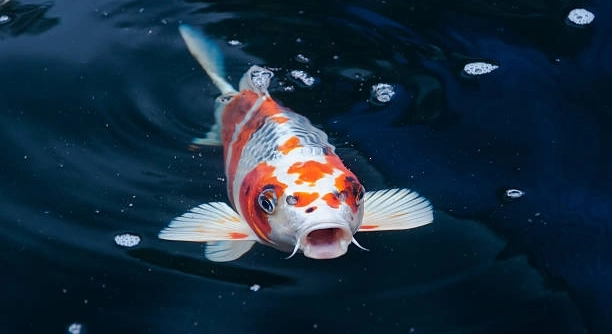
Koi fish communicate through subtle body movements that often go unnoticed by casual observers. These small signals reveal their mood, health, and intentions in ways that are easy to miss without careful attention. Understanding these cues can deepen the bond between koi and their caretakers.
Koi send messages through gentle flicks, slow turns, or slight shifts in their fins and bodies. These movements function as signals of comfort, warning, curiosity, or social interaction. Recognizing and interpreting these motions helps in monitoring their well-being and behavior accurately.
Knowing these signs will enhance your experience with koi and help you respond better to their needs. These small movements hold important clues that reveal much more about these graceful fish.
Gentle Fin Flicks
Koi often use gentle flicks of their fins to communicate subtle feelings. When you see a koi softly flicking its fins, it can mean the fish is comfortable in its environment. These flicks are usually slow and deliberate, showing that the koi is relaxed and calm. On the other hand, if the fin flicks become rapid or erratic, it might indicate stress or irritation. For example, sudden loud noises or changes in water conditions can cause this. Observing these fin movements over time helps you understand when your koi feels safe and when something might be bothering them. Paying attention to these signs lets you adjust the environment, like checking water quality or reducing disturbances. This small signal is an easy way to monitor the mood of your koi without any guesswork.
Gentle fin flicks are a good indicator of koi comfort and can alert you to changes in their well-being.
By watching fin flicks closely, you’ll gain insight into your koi’s daily mood. You may notice patterns related to feeding times or water temperature changes. This awareness allows you to make small adjustments that improve your koi’s health and happiness. It also creates a stronger connection, as you learn to read their quiet signals with ease.
Slow Body Turns
Slow body turns are another important movement koi use to send messages. When koi turn slowly, it often signals curiosity or a relaxed state. This behavior means they are exploring their surroundings calmly. Koi don’t make sudden turns unless startled, so a slow turn shows they feel safe. It can also indicate social interaction, such as when koi approach one another to communicate or establish territory gently. Watching these turns helps you notice changes in behavior or signs of illness. For instance, a koi that avoids slow turning might be feeling unwell or stressed. Observing these movements gives clues about their physical condition and social mood within the pond.
Slow body turns often signal calmness and curiosity in koi.
Noticing these slow turns can help you understand how koi interact with their environment and each other. If the turns become stiff or hesitant, it might be time to check water quality or look for illness signs. This movement is a subtle but important part of koi behavior to observe regularly.
Slight Tail Movements
Koi use slight tail movements to express their mood or intentions. These small swishes can mean they are alert or mildly interested in their surroundings.
Tail movements are often subtle but meaningful. A gentle side-to-side tail motion usually shows the koi is relaxed and content. When the tail flicks more frequently or with more force, it might mean the koi is trying to get attention or signaling mild agitation. In some cases, these movements can also indicate that the koi is preparing to swim faster or respond to a stimulus. Watching how the tail moves can help you understand if your koi feels secure or uneasy in their environment.
In addition, tail movement helps koi communicate with other fish. Slight flicks can be a form of social signaling, showing peaceful intentions or readiness to interact. Observing these small motions over time reveals how koi relate to one another and their environment. This understanding is valuable for keeping the pond balanced and healthy.
Small Head Tilts
Small head tilts are another way koi express curiosity or focus. This movement often happens when koi are investigating new objects or sounds.
When koi tilt their heads slightly, it shows they are paying close attention to something. It could be food, a shadow, or a change in the pond environment. This tilt allows koi to get a better view or sense of what’s around them. It is a clear sign of their awareness and interest in their surroundings. Noticing these tilts helps you recognize when koi are engaged or alert.
These head movements also provide clues about koi health. If a koi tilts its head unevenly or frequently in a strange way, it could indicate discomfort or illness. Watching for normal versus abnormal tilts helps catch early signs of problems. Understanding this small but important gesture supports better care and timely responses.
Eye Movements
Koi move their eyes to focus on objects or changes around them. These small shifts help them watch for food or potential threats.
Eye movement is subtle but important. Tracking how koi look around shows their alertness and awareness of their environment.
Mouth Movements
Mouth movements in koi often indicate feeding behavior or communication. A gentle opening and closing usually means they are ready to eat or explore food nearby.
These movements can also signal curiosity or mild excitement when koi sense something new in their pond.
Slow Swimming Patterns
Slow swimming patterns often show koi are relaxed and comfortable. When koi move smoothly and gently, it means they feel safe in their surroundings. This behavior also helps them conserve energy while staying alert to changes. Watching these slow patterns can reveal their overall well-being and mood.
Slight Gill Movements
Slight gill movements are part of normal breathing. Regular, calm gill motion means koi are healthy and stress-free.
FAQ
How can I tell if my koi is healthy from its movements?
Healthy koi display smooth, deliberate movements such as gentle fin flicks, slow body turns, and steady swimming patterns. Their tail and gill movements are regular and calm, showing no signs of rapid or erratic motion. Healthy koi also respond to their environment by slowly exploring or showing curiosity, like tilting their heads or moving their eyes to track changes. If you notice any sudden, jerky, or stiff movements, it could indicate stress or illness. Regular observation of these subtle cues will help you catch health issues early and keep your koi thriving.
Why does my koi flick its fins rapidly sometimes?
Rapid fin flicking usually indicates irritation or stress. This can be caused by poor water quality, sudden loud noises, or the presence of aggressive fish nearby. It might also happen when your koi is trying to remove parasites or debris from its skin. If you see this behavior often, check water parameters like pH, ammonia, and temperature. Making sure the pond environment is stable and peaceful can reduce this type of flicking. If the problem persists, a closer look for signs of illness or external parasites might be necessary.
What does it mean when koi tilt their heads?
Koi tilt their heads to focus better on objects or movements in their pond. This small movement shows curiosity or alertness. It helps them inspect food or any unusual activity around them. However, if the head tilt is excessive or uneven, it might indicate discomfort or a health issue like a swim bladder problem. Normal head tilts are subtle and occasional, but if you observe constant or strange tilting, consulting a vet or aquatic specialist is recommended.
Is it normal for koi to have slight gill movements all the time?
Yes, slight gill movements are a normal part of koi breathing. Regular and calm gill motion means the koi is relaxed and healthy. If the gill movements become very fast or labored, this could signal oxygen shortage or water quality problems. Monitoring gill activity helps in understanding your koi’s respiratory health and the overall condition of the pond water.
How do koi use their tails to communicate?
Koi use tail movements to send signals about their mood or intentions. Gentle, slow swishes often mean relaxation or mild interest, while frequent, strong tail flicks can show agitation or a desire to interact. Tail movements also help koi navigate water currents and communicate social status among other fish. Watching these tail motions regularly can give you insight into their comfort level and how they are feeling day-to-day.
Why do koi move their eyes?
Koi move their eyes to observe their surroundings carefully. These small eye shifts help them spot food, detect movement, and stay alert to potential threats. Since koi don’t have eyelids, eye movement is one way they adjust focus. Tracking your koi’s eye movements can show when they are curious or wary, helping you understand how they respond to changes in their environment.
Can koi communicate with each other through movements?
Yes, koi communicate through a variety of small body movements including fin flicks, tail swishes, and slow body turns. These movements convey social messages like peace, curiosity, or mild warnings. For example, gentle slow turns near another koi can signal calm interaction, while rapid flicks might warn to keep distance. Understanding these signals helps maintain harmony in your pond by recognizing how koi express themselves and interact.
What should I do if I notice unusual koi movements?
If you observe unusual movements such as rapid fin flicking, constant head tilting, or erratic swimming, start by checking water quality parameters like ammonia, nitrites, pH, and temperature. Poor water conditions often cause stress and strange behaviors. Also, look for physical signs of disease or parasites. If the environment is fine but strange behaviors continue, consider consulting a veterinarian or aquatic specialist. Early intervention helps prevent serious health problems and keeps your koi happy.
Are slow swimming patterns a good sign?
Slow swimming patterns usually indicate koi are calm, comfortable, and feeling secure. This behavior shows they are not stressed and are conserving energy while still being aware of their environment. If koi swim very slowly or stay in one spot without moving much, however, it could sometimes mean illness or discomfort. Context matters, so observe other behaviors and water conditions to understand what slow swimming means for your specific koi.
How often should I observe my koi for these small signals?
Regular daily observation is ideal for noticing these small signals. Spending a few minutes each day watching your koi helps you learn their normal behaviors and quickly detect any changes. The more familiar you are with their typical movements, the easier it becomes to identify early signs of stress or illness. Consistent observation also strengthens your connection to your koi, making care more rewarding and effective.
Final Thoughts
Understanding the small movements koi make can greatly improve how you care for them. These fish communicate a lot through subtle actions like fin flicks, tail swishes, and slow body turns. Paying attention to these signs helps you see how your koi feel in their environment. It lets you notice when they are calm, curious, or stressed. This awareness can guide you to make changes in the pond that support their health and happiness. Small signals are often the first way koi show that something is wrong, so recognizing them early is important for their well-being.
Watching koi carefully over time will help you learn their normal behaviors and patterns. Every koi has its own way of expressing itself, but many of their small movements are common across the species. For example, gentle fin flicks usually mean the fish is relaxed, while rapid or erratic movements might signal discomfort. Slow swimming often shows contentment, while strange head tilts can mean a problem. By observing these actions regularly, you can spot changes that may need your attention. This ongoing care can prevent bigger issues before they develop, making your koi’s life longer and healthier.
It is important to remember that koi are sensitive creatures who rely on their environment to feel safe and comfortable. Small movements are their way of sharing how they experience the pond and everything in it. When you respond to these signals by maintaining clean water, providing a peaceful space, and watching for health changes, you help your koi thrive. Over time, reading these quiet cues creates a deeper connection between you and your fish. This connection makes the effort of koi keeping more rewarding and helps ensure your fish live their best lives.

Hello,
If you enjoy the content that we create, please consider saying a "Thank You!" by leaving a tip.
Every little bit helps us continue crafting quality advice that supports the health, happiness, and well-being of pets around the world, for pets of all shapes, sizes, and species.
We really appreciate the kindness and support that you show us!