
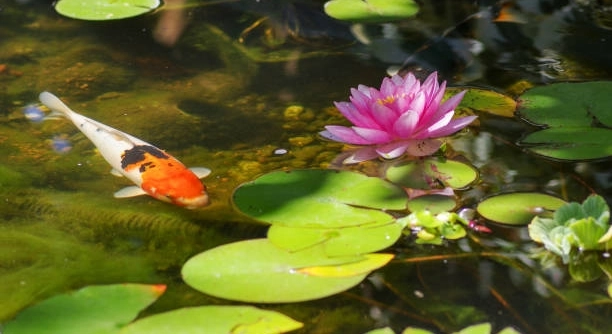
Do you ever find yourself watching koi fish glide through busy ponds, only to notice one swimming away from the rest, quietly alone?
Koi seek solitude in crowded ponds due to stress, territorial behavior, illness, or environmental factors. Solitary behavior can also indicate the need for rest or a preference for certain areas within the pond environment.
This behavior may seem unusual, but it reveals a lot about how koi respond to their surroundings, stress levels, and natural instincts.
When Stress Pushes Koi to the Edge
Stress is one of the biggest reasons koi isolate themselves. Crowded ponds can create tension among fish, especially when space is limited or water quality is poor. Koi are sensitive to changes in their environment, and too much activity, noise, or sudden temperature shifts can cause them to retreat. This behavior is a sign that the fish is trying to protect itself or regain balance. Koi may become more still, stay in corners, or separate themselves near pond edges. This is their way of reducing stimulation. If left unchecked, stress can affect their immune system, making them more prone to disease. Owners should monitor the water’s pH, ammonia levels, and oxygen content regularly. Simple adjustments can help reduce tension. Adding aquatic plants or hiding spots gives koi a sense of comfort and space. When the environment feels safer, koi tend to rejoin the group on their own terms.
Sometimes a quiet koi just needs space. Crowded ponds often leave little room for comfort.
Even if you don’t notice right away, stress builds slowly in koi. Pay attention to subtle changes. A koi that separates itself for long periods may be telling you something. Acting early can prevent health issues from becoming serious.
Territorial Behavior and Hierarchies
In some ponds, koi separate due to dominance patterns. Some koi naturally become more aggressive and chase others away from their space.
A koi may seek solitude not because it is weak, but because another fish is trying to take control of an area. This is especially common in ponds that lack enough hiding spots or space for each fish to move freely. Koi establish loose hierarchies where stronger or more confident individuals can push others aside. The fish being chased may end up hiding or staying in a different part of the pond, away from food or light. While this behavior is natural to some degree, it becomes a problem if it happens too often or starts affecting the fish’s health. If you notice one koi being pushed away regularly, consider changing the pond’s layout. Adding more plants, caves, or shaded areas can break line-of-sight between dominant and timid fish. Feeding at multiple spots can also help prevent food competition.
Illness Can Trigger Isolation
When koi are sick, they often separate from the group. This is a natural reaction meant to conserve energy and avoid confrontation with healthier, more active fish.
A koi showing signs of illness may move slowly, stay near the pond bottom, or avoid feeding. These behaviors help reduce strain while their body tries to heal. Illness can come from bacterial infections, parasites, or poor water conditions. Cloudy eyes, frayed fins, or sudden weight loss are signs something is wrong. It’s important to observe closely and test water quality immediately. If water levels are safe, then the koi may need treatment. Early care can prevent the illness from spreading. Quarantine may be necessary in some cases. Many koi return to normal once they recover and feel secure in their surroundings.
Even a small issue like a skin sore or slight swelling can cause a koi to retreat. Their behavior is often the first clue.
Water Temperature Shifts
Cold water can cause koi to slow down and stay still, especially near the pond bottom. In warmer months, sudden drops in temperature may lead them to isolate themselves as a way to adjust.
Koi are cold-blooded, so their activity depends on water temperature. If the temperature falls below 50°F (10°C), koi become sluggish and often avoid contact with others. In these cases, solitude is a way to reduce energy use. Seasonal shifts can affect their habits quickly. If a warm day is followed by a cold night, you may see koi staying in deeper zones to find stable temperatures. This is normal, but if the water continues to swing back and forth, it can become stressful. A pond heater or floating thermometer can help track changes and keep things balanced. Keeping a consistent range helps your koi feel more comfortable and reduces the chance of sudden behavior changes.
Poor Water Quality Changes Behavior
Koi are quick to react when water quality drops. High ammonia or low oxygen levels can cause them to move away from crowded areas.
Even if other fish seem fine, sensitive koi may withdraw. They might seek out spots with better flow or more oxygen.
Injury Leads to Caution
Koi with a torn fin or visible wound often avoid other fish. This helps them stay safe while healing. They become less active to protect the injured area. Even mild injuries can cause them to act differently for a few days.
Breeding Season Tensions
During breeding season, koi behavior changes dramatically. Males chase females, which can overwhelm or stress out certain fish. In these cases, koi may retreat to avoid unwanted attention. The increased activity and splashing can be intense. If a koi hides more during this time, it’s likely due to exhaustion or trying to escape pressure.
Light and Shade Preferences
Some koi like shaded areas, especially in sunny ponds. They may stay apart simply because it’s cooler or calmer in those spots.
Why do koi sometimes swim alone even in crowded ponds?
Koi may swim alone due to stress, illness, or a need for rest. Crowded ponds can create tension, causing some fish to seek quiet spots. Illness can make koi less active, so they separate to recover. Others may prefer specific areas with better shade or water flow, which leads them to stay apart.
Is it normal for koi to hide often?
Yes, koi hide at times, especially when they feel threatened or stressed. Hiding helps them avoid aggressive fish or sudden changes in their environment. During breeding or if water quality drops, koi may spend more time in hidden spots. Providing plants or decorations gives them places to feel safe.
Can water quality affect koi’s social behavior?
Absolutely. Poor water quality, such as high ammonia or low oxygen, stresses koi and changes their behavior. They might separate to find cleaner or better-oxygenated areas. Regular testing and water changes help keep koi healthy and social.
How can I tell if a solitary koi is sick?
Look for signs like slow movement, faded colors, frayed fins, or loss of appetite. Sick koi often stay at the bottom or near hiding spots. If you notice these signs, test your water and consider isolating the fish for treatment.
Do koi get lonely if they are by themselves?
Koi are social but can enjoy solitude when needed. Being alone temporarily helps them recover or reduce stress. However, long-term isolation isn’t ideal, as koi thrive in groups. It’s important to balance their need for space with social interaction.
What causes koi to act aggressively toward each other?
Aggression often comes from territorial behavior, especially in crowded ponds. Dominant koi chase others to control food or space. Breeding season also increases chasing and splashing. Adding hiding spots and feeding in multiple areas can reduce fighting.
When is koi behavior during breeding season unusual?
During breeding, males can be very persistent, chasing females constantly. This may cause some koi to hide or swim alone to avoid stress. The behavior is temporary and usually ends when the season is over.
How do temperature changes impact koi’s social habits?
Cold temperatures slow koi down, making them less active and more likely to separate. They often rest near the pond bottom to conserve energy. Sudden temperature swings cause stress, so keeping water temperature stable helps koi stay comfortable and social.
Can adding plants help koi feel less crowded?
Yes, plants provide hiding places and visual barriers that break up open space. This gives koi private spots to retreat when they want peace. Plants also improve water quality and oxygen levels, which benefits the whole pond.
What should I do if a koi is always isolated?
Observe the fish carefully for illness or injury. Test the water for any issues. Improve the pond environment by adding plants or more space. If needed, isolate the koi temporarily for treatment. Most koi return to the group once they feel better and the environment is stable.
Koi are fascinating creatures with many behaviors that can seem puzzling at first. One of the most common behaviors is their tendency to seek solitude in crowded ponds. This is often a natural and healthy response to different factors like stress, illness, or the environment. When koi swim alone or stay in quiet corners, they are usually trying to protect themselves or find comfort. This behavior helps them avoid conflict, conserve energy, or recover from any problems. Understanding why koi do this can help pond owners care for their fish better.
Keeping an eye on your koi’s behavior is important. Changes in activity or social habits can signal health or environmental issues. For example, water quality, temperature, and overcrowding can all affect how koi interact with each other. If you notice one koi isolating itself for a long time or showing signs of sickness, it is a good idea to check the pond conditions and take steps to improve them. Adding plants, adjusting feeding routines, or treating illness early can make a big difference. A balanced pond environment allows koi to feel safe and more willing to socialize again.
Ultimately, koi solitude is part of their natural way of managing their needs. It is not always a cause for concern but rather a clue that they are adapting to their surroundings. Providing a calm and stable pond with enough space, good water quality, and hiding spots helps koi stay healthy and happy. Paying attention to these small details ensures that koi can thrive whether they are swimming alone or in groups. By respecting their behavior, pond owners can enjoy watching their koi live peaceful and balanced lives.

Hello,
If you enjoy the content that we create, please consider saying a "Thank You!" by leaving a tip.
Every little bit helps us continue crafting quality advice that supports the health, happiness, and well-being of pets around the world, for pets of all shapes, sizes, and species.
We really appreciate the kindness and support that you show us!