
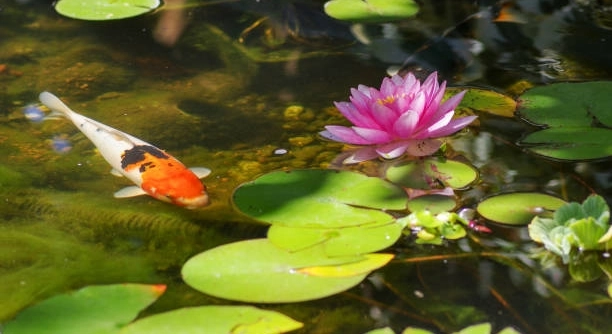
Koi fish often show changes in behavior after they eat. These changes can range from calm swimming to sudden bursts of activity. Understanding these mood swings can help koi keepers care for their fish better.
Koi exhibit several distinct mood swings after feeding, including excitement, aggression, lethargy, curiosity, anxiety, territorial behavior, and social interaction shifts. These behaviors are influenced by hunger, digestion, environment, and social dynamics within the pond.
Recognizing these moods can improve how you manage and enjoy your koi’s daily routine and health.
Excitement and Quick Movements
After feeding, koi often become excited and swim quickly around the pond. This happens because they anticipate food and want to compete for it. Their quick movements can look like bursts of energy, darting from one place to another. This excitement usually lasts a short time until the fish settle down to digest. It is normal behavior and shows they are active and alert. When koi are fed regularly, they learn to recognize feeding times, which makes their response stronger. Watching this behavior can be interesting but also a reminder to feed them the right amount to avoid overfeeding. Too much food can cause health problems and muddy water. Keeping the pond clean and feeding on schedule helps maintain healthy excitement without stress.
This excitement is a natural reaction and signals healthy koi eager to eat. It usually fades within minutes after feeding.
Over time, koi develop a routine around feeding that affects their activity levels. Early excitement helps them get food quickly but then they become calmer. This calmness helps digestion and reduces unnecessary energy use. Some koi may show different excitement levels based on their personality and size. Larger koi might dominate feeding spots, while smaller ones wait patiently or find other areas. If koi seem overly aggressive, it could be a sign to adjust feeding habits or add more feeding points. Balanced feeding creates harmony and keeps koi happy and healthy.
Aggressive Behavior
Aggression after feeding is common among koi, especially when food is limited. Koi may chase or nip each other to get more food. This behavior helps them compete but can cause stress if too intense.
When koi show aggression, adding more food or spreading it across the pond reduces fights. Feeding at several spots gives every fish a chance to eat. Some koi naturally act more dominant, but managing feeding practices can control tension. Aggressive behavior often lowers after feeding as koi focus on digesting their meal. Observing koi during feeding times helps notice signs of stress or injury early. Keeping aggression low is important for a peaceful pond and fish wellbeing. Providing enough space and hiding spots also helps reduce conflict.
Feeding routines impact koi’s social interactions. Balanced and frequent feeding reduces competition, promoting a calmer pond environment.
Lethargy After Feeding
Koi sometimes become slow and less active after eating. This is normal as their bodies use energy to digest food.
Digestion requires a lot of energy, so koi naturally rest more after a meal. During this time, they swim gently or stay near the bottom of the pond. Lethargy after feeding is a sign that koi are processing their food properly. If koi remain lethargic for too long or act weak, it could mean overfeeding or water quality problems. Monitoring water parameters and feeding amounts helps prevent health issues related to prolonged inactivity.
Resting after eating helps koi recover energy for the next feeding. Providing a quiet, comfortable pond environment supports their natural digestion process.
Curiosity and Interaction
Koi often show curiosity after feeding by exploring the pond and interacting with other fish. This behavior helps them check their surroundings and social group.
This curious mood encourages koi to swim closer together and investigate objects or movements in the pond. Feeding time can stimulate playful behavior and gentle chasing among koi. Curiosity also keeps their minds active, reducing boredom. Observing these moments can be rewarding, showing koi’s natural intelligence and social habits. Offering varied environments with plants or decorations encourages more exploration and interaction, enriching their daily lives. Proper care includes recognizing these social moods and adapting the pond setup to support them.
Anxiety and Restlessness
Koi may show signs of anxiety after feeding, such as restless swimming or staying near the surface. This can happen if they feel threatened or uncomfortable.
Changes in water quality or loud noises around the pond often cause this anxious behavior. Ensuring a calm environment and stable water conditions helps koi feel safe and relaxed.
Territorial Behavior
After feeding, koi sometimes become territorial, especially around favorite feeding spots. They defend these areas from other fish to secure food access. This behavior is natural but can lead to brief conflicts.
Social Interaction Shifts
Koi’s social dynamics often change after feeding. Some koi become more dominant, while others may withdraw temporarily. These shifts help maintain balance within the group and reduce long-term conflict. Understanding these social moods supports better pond management.
Why do koi get excited right after feeding?
Koi get excited after feeding because they associate feeding times with food rewards. This excitement triggers fast swimming and active behavior as they compete for food. Their natural instincts to find and secure food quickly make this behavior normal. It also shows that koi are healthy and alert.
Is aggressive behavior normal in koi after feeding?
Yes, aggression is normal, especially when food is limited or concentrated in one spot. Koi may chase or nip each other to get more food. However, excessive aggression can stress the fish. To reduce fights, spread food over a wider area or feed smaller amounts more often. This helps create a peaceful feeding environment.
Why do koi sometimes become lethargic after eating?
Lethargy after eating happens because digestion uses a lot of energy. Koi slow down to focus on processing food. This resting phase is natural and helps keep their bodies healthy. If lethargy lasts too long or koi act weak, it might be a sign of overfeeding or poor water quality, which should be checked.
Can koi show signs of anxiety after feeding?
Yes, koi can feel anxious after feeding if the environment is noisy or the water quality is poor. Restless swimming or staying near the surface can be signs of stress. Keeping the pond calm and water clean reduces anxiety and helps koi feel safe and comfortable.
How do koi interact socially after feeding?
After feeding, koi often change how they interact. Some become more dominant to secure food, while others may hang back. These social shifts help keep peace in the pond by balancing feeding opportunities. Watching koi behavior during feeding can help you understand their social needs better.
What causes territorial behavior in koi during feeding?
Territorial behavior happens when koi defend preferred feeding spots. This is natural since koi want easy access to food. Problems arise if the pond is small or food is not spread out, leading to fights. To reduce territorial disputes, feed koi in multiple spots and give them enough space to move freely.
How can feeding habits affect koi mood swings?
Feeding habits greatly affect koi behavior. Feeding too much or too little can cause mood swings like aggression or lethargy. Consistent feeding schedules and proper portions keep koi balanced. Using high-quality food also supports their health and reduces stress after meals.
What should I do if my koi act unusually after feeding?
If koi show unusual behavior such as extreme lethargy, constant aggression, or signs of illness, check water quality first. Poor water conditions often cause stress. Adjust feeding amounts and ensure food is appropriate for koi. Consulting a vet or koi expert is helpful if problems persist.
Does the type of food affect koi mood swings?
Yes, the type of food influences koi moods. Poor quality or hard-to-digest food can cause discomfort and lethargy. Balanced diets with proteins, vitamins, and fiber promote good digestion and stable moods. Feeding variety also keeps koi interested and mentally stimulated.
How long do koi mood swings usually last after feeding?
Mood swings after feeding typically last from a few minutes to about half an hour. Excitement and aggression tend to fade as koi finish eating. Lethargy can last longer but should not persist all day. Keeping feeding routines steady helps koi return to normal behavior quickly.
Koi fish often show different moods after feeding, and understanding these changes can help you care for them better. Their moods, such as excitement, aggression, or lethargy, are natural reactions to feeding and the environment around them. Knowing why koi behave this way makes it easier to provide the right care. It also helps you notice when something might be wrong with their health or the pond conditions. Watching koi closely after feeding gives clues about their well-being and helps you adjust how you feed them or maintain their home.
Taking care of koi means paying attention to both their behavior and the environment. Feeding routines should be consistent, with the right amount and quality of food. Overfeeding can lead to health problems and poor water quality, while underfeeding might cause stress and aggression. Koi mood swings like excitement and aggression often come from competition for food, so spreading food in different places can reduce fights. Also, keeping the pond clean and quiet helps reduce anxiety and restlessness in the fish. Small changes in how you manage feeding and the pond can make a big difference in koi behavior and health.
In the end, koi mood swings after feeding are part of their natural way to survive and communicate. These moods help koi compete, rest, and interact socially. By understanding these behaviors, you can create a peaceful and healthy environment that supports their needs. Remember, every koi pond is unique, so observing your fish and learning their habits is important. With patience and care, you can enjoy watching your koi thrive and display their beautiful, natural moods every day.

Hello,
If you enjoy the content that we create, please consider saying a "Thank You!" by leaving a tip.
Every little bit helps us continue crafting quality advice that supports the health, happiness, and well-being of pets around the world, for pets of all shapes, sizes, and species.
We really appreciate the kindness and support that you show us!